












How to Make a Wet or Dry Warm Compress
Learn to make wet and dry warm compresses at home with clear instructions, safety tips for soothing muscles, sinus pressure, or eye styes.
By True Impact Health Editorial Team

Physician with experience in patient care and preventive medicine, focused on early detection, disease prevention and long-term wellness.
Reviewed this article on October 9, 2026.
View profile How we reviewUpdated on February 7, 2026 5 min read

Table of Contents
Introduction
Whether you’re soothing sore muscles after a tough workout, easing sinus pressure, or treating an eye stye, a warm compress can bring fast relief. But did you know there are two main types, wet and dry, and each has its own set of benefits? In this blog post, we’ll walk you through everything you need to know about making both wet and dry warm compresses at home. You’ll learn when to choose each type, what materials you need, step-by-step instructions, and essential safety tips. Let’s heat things up, safely!
Understanding Warm Compresses
Warm compresses are a simple, versatile home remedy that can relieve pain, improve circulation, and support recovery for a variety of conditions. Knowing how to use them effectively—whether dry or wet, maximizes their benefits.
What Is a Warm Compress?
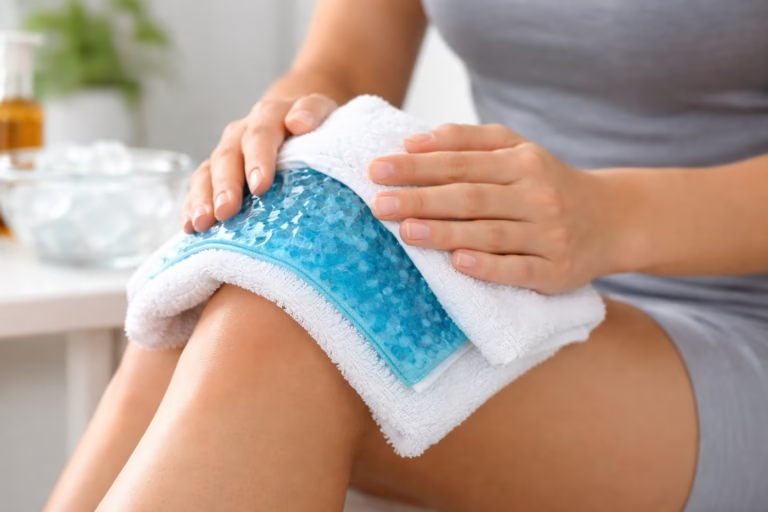
A warm compress is a cloth, pad, or pouch heated to a comfortable temperature and applied to the skin. The gentle, localized heat offers several physiological benefits:
-
Increases Blood Flow: Heat dilates blood vessels, enhancing oxygen and nutrient delivery to tissues.
-
Relaxes Muscles: Warmth helps ease stiffness, muscle tension, and spasms.
-
Opens Clogged Glands or Pores: Beneficial for skin conditions, sinus congestion, or eye issues like styes.
-
Soothes Discomfort: Provides gentle relief for menstrual cramps, minor sprains, or localized inflammation.
Wet vs. Dry Warm Compress
Choosing the right type of compress depends on the condition being treated and how quickly you want the heat to penetrate.
Dry Compress
-
Characteristics: Retains heat longer, providing sustained warmth.
-
Best For: Deep muscle aches, stiffness, or chronic tension.
-
Examples: Rice or flaxseed-filled socks, microwavable heat packs.
Wet Compress
-
Characteristics: Heat penetrates tissue more quickly; moisture enhances heat transfer.
-
Best For: Sinus congestion, eye conditions (styes), localized pain, or inflammation.
-
Examples: Warm, damp washcloths or towels, optionally infused with essential oils.
Tip: For maximum benefit, combine moisture with moderate heat, but always check temperature to prevent burns.
Benefits of Using a Warm Compress
-
Pain Relief
-
Eases muscle tension, cramps, joint discomfort, and minor sprains.
-
Gentle warmth relaxes tissues, reducing nerve sensitivity and pain perception.
-
-
Improved Circulation
-
Dilates blood vessels, enhancing oxygen and nutrient delivery to targeted areas.
-
Supports healing of minor injuries or inflammation.
-
-
Decongestion
-
Helps break up mucus in sinuses or nasal passages, offering relief from colds or allergies.
-
Warm compresses over the face can reduce sinus pressure and headaches.
-
-
Skin & Eye Health
-
Opens pores, making cleansing or acne treatments more effective.
-
Relieves eye discomfort from styes, dryness, or strain.
-
Supplies You’ll Need
For a Dry Warm Compress
-
Clean cotton cloth or terrycloth towel
-
Fill material: uncooked rice, flaxseed, or cherry pits (for microwavable pouch or sock)
-
Microwave-safe fabric pouch or sock
For a Wet Warm Compress
-
Clean washcloth or hand towel
-
Warm tap water or boiled water (cooled to a safe temperature)
-
Optional: a few drops of essential oils (lavender, eucalyptus) for added relaxation
How to Make and Use Warm Compresses: Detailed Guide
Warm compresses are a simple yet effective way to relieve pain, relax muscles, and improve circulation. Both dry and wet compresses have their specific uses, and knowing how to prepare them safely ensures you get the most benefit without risk of burns or irritation.
How to Make a Dry Warm Compress
A dry compress retains heat for longer periods and is ideal for muscle tension, stiffness, or joint pain.
Step 1: Prepare Your Fillable Pouch
-
Select a clean fabric pouch or sock. Cotton or other breathable fabrics work best.
-
Fill with 1–2 cups of rice, flaxseed, or cherry pits. These fillings retain heat evenly.
-
Secure the opening by tying it with a knot, string, or sewing it shut. This prevents spillage and ensures even heating.
-
Optional: For extra comfort, add a small amount of dried lavender or chamomile inside the pouch for a soothing scent.
Step 2: Heat in the Microwave
-
Place the pouch flat in the microwave to allow even heat distribution.
-
Heat on high for 1–2 minutes (adjust based on microwave wattage; lower wattage may need longer).
-
Carefully remove the pouch, use a towel or oven mitt if hot.
-
Test the temperature on the inner wrist: it should feel warm, not hot. Overheating can cause burns.
Step 3: Apply to the Affected Area
-
Lay the warm pouch over the sore spot, joint, or area of tension.
-
Leave in place for 10–15 minutes.
-
Reheat as needed, ensuring the pouch has cooled slightly before reapplying.
Best Uses for Dry Compresses:
-
Muscle aches and spasms
-
Joint pain from arthritis
-
Chronic back or neck stiffness
How to Make a Wet Warm Compress
A wet compress penetrates tissue more quickly and is ideal for sinus congestion, eye discomfort, or superficial skin issues.
Step 1: Soak Your Cloth
-
Run a clean washcloth under warm, not scalding, water.
-
Wring out excess water so the cloth is damp but not dripping, preventing water from running onto surrounding surfaces or clothing.
Step 2: (Optional) Add Aromatherapy
-
Add 1–2 drops of essential oil (like lavender, eucalyptus, or chamomile) to the damp cloth.
-
This adds relaxing scents and can enhance the therapeutic experience.
Step 3: Apply Immediately
-
Fold the cloth to cover the desired area.
-
Place it on the affected spot for 10–15 minutes.
-
Re-soak in warm water as it cools to maintain continuous heat.
Best Uses for Wet Compresses:
-
Nasal or sinus congestion
-
Eye conditions like styes, blepharitis, or general eyelid discomfort
-
Minor wounds or skin infections (under medical supervision)
When to Use Each Type
| Type | Ideal For | Benefits |
|---|---|---|
| Dry Compress | Muscle aches, spasms, stiffness, arthritis | Retains heat longer, supports deep tissue relaxation |
| Wet Compress | Sinus congestion, eye conditions, minor skin issues | Penetrates tissues faster, enhances circulation to superficial layers |
Safety Tips and Precautions
-
Always Test the Temperature: Check the compress on your inner wrist first to avoid burns.
-
Limit Application Time: Keep sessions to 15–20 minutes, allowing skin to rest before repeating.
-
Avoid Broken Skin: Do not apply directly to open wounds without professional guidance.
-
Monitor Sensitive Areas: Be extra cautious near the eyes or on thin, delicate skin.
-
Check Materials: Ensure rice or flaxseed fillings are completely dry to prevent mold. Replace the filling every 6–12 months.
Additional Tips for Maximum Comfort
-
Layering: Use a thin cloth barrier between the compress and your skin if you have sensitive skin.
-
Combining Therapies: Follow up with gentle stretching or massage to further relieve tension and improve mobility.
-
Travel-Friendly Option: Keep a reusable heat pack or microwavable bag for comfort on the go.
Conclusion
Now that you’re equipped with the know-how to make both wet and dry warm compresses, you can confidently tackle muscle soreness, sinus pressure, or stubborn eye irritations at home. Remember to choose the right type of compress for your needs, follow safety guidelines, and enjoy the soothing warmth. Give it a try today—and if your symptoms persist, consult a healthcare professional for further advice. Here’s to feeling better, one warm compress at a time!
Was this page helpful?
Thanks for your feedback! What could we improve?
Thank you! Your feedback helps us improve our articles.
Medically reviewed by
Dr. Bernard ReynoldsPhysician with experience in patient care and preventive medicine, focused on early detection, disease prevention and long-term wellness.
True Impact Health articles are written by our editorial team and based on reliable sources such as public health agencies, clinical guidelines and peer-reviewed research. This article has been checked by a doctor on our review panel. Read our editorial process.
This content is for general information and is not a substitute for professional medical advice, diagnosis or treatment.