Introduction
Chlorine is a common chemical found in household cleaners, swimming pools, and industrial settings. While it’s useful for disinfection, accidental overexposure can lead to chlorine poisoning, a potentially serious condition. In this post, we’ll explore how to recognize the signs of chlorine poisoning, what to do if you or a loved one is exposed, and how to prevent future incidents. Whether you’re a pool owner, maintenance worker, or simply curious, this guide has the answers you need.
What Is Chlorine Poisoning?
Chlorine poisoning occurs when you inhale, ingest, or come into direct contact with high concentrations of chlorine gas or solutions. Chlorine is highly reactive, and in its gaseous form it irritates the respiratory tract, eyes, and skin. In severe cases, it can damage the lungs and other organs.
Key facts:
• Chemical formula: Cl₂ (gas) or various chloride solutions
• Common uses: Water treatment, bleach, disinfectants
• Hazard: Corrosive to skin, eyes, mucous membranes, and lungs
Symptoms of Chlorine Poisoning
Early recognition is critical. Symptoms can develop immediately or be delayed by several hours.
Respiratory Signs
• Coughing, wheezing, or chest tightness
• Shortness of breath or rapid breathing
• Sore throat and hoarseness
Eye and Skin Irritation
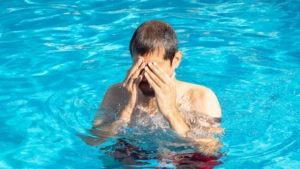
• Redness, tearing, and burning sensation in eyes
• Skin redness or itching from direct contact
Related Posts:

Systemic Reactions (Severe Exposure)
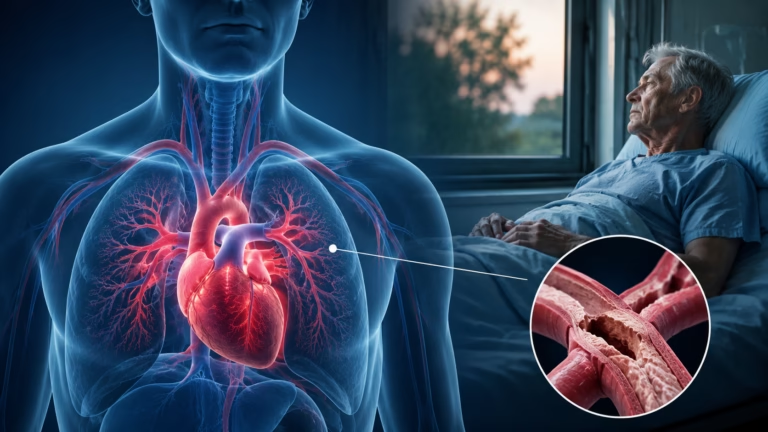
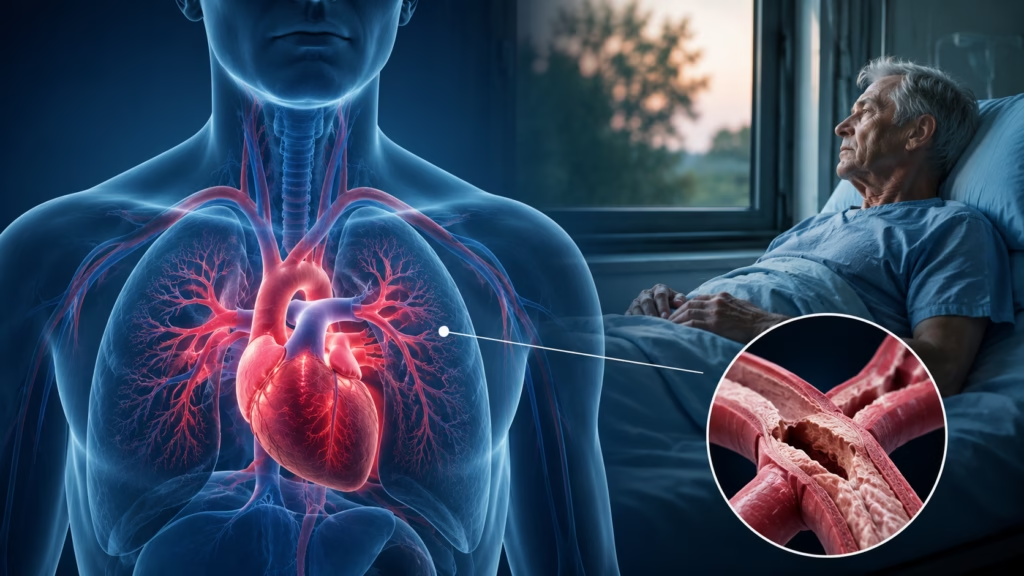
• Chest pain or pulmonary edema (fluid in lungs)
• Nausea, vomiting, and headaches
• Dizziness, confusion, or loss of consciousness
Causes and Risk Factors
Understanding where and how exposure happens can help you stay safe.
Household Exposures
• Mixing bleach with ammonia or acidic cleaners
• Using strong disinfectants in poorly ventilated areas
Industrial and Pool Settings
• Malfunctioning chlorine feeders in pools
• Leaks in storage cylinders or piping systems
Vulnerable Populations
• Children and elderly (more sensitive to respiratory irritants)
• People with asthma or other lung conditions
Immediate First Aid for Chlorine Exposure
If you suspect chlorine poisoning, act fast:
- Remove the person from the exposure site
– Move to fresh air immediately
– Avoid re-entering the contaminated area without protection - Flush affected skin and eyes
– Rinse eyes with clean water or saline for at least 10–15 minutes
– Wash skin thoroughly with soap and water - Loosen tight clothing
– Help improve breathing and circulation - Call emergency services (911 in the U.S.) if symptoms are moderate to severe
– Mention “chlorine inhalation” so responders bring appropriate equipment
Medical Treatment Options
A healthcare professional will tailor treatment based on severity:
Oxygen Therapy
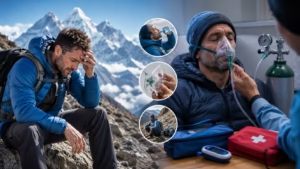
• Supplemental oxygen or nebulized bronchodilators for breathing difficulties
Bronchodilators and Steroids
• Inhalers (albuterol) to open airways
• Corticosteroids to reduce inflammation
Hospitalization (Severe Cases)
• Monitoring for pulmonary edema
• Mechanical ventilation if respiratory failure occurs
Home Remedies and Supportive Care
For mild exposures, you can support recovery at home:
• Rest in a well-ventilated room
• Stay hydrated, water helps flush irritants
• Use over-the-counter pain relievers (ibuprofen or acetaminophen) for headaches and muscle aches
• Monitor symptoms and seek medical attention if they worsen
Preventing Chlorine Poisoning
Prevention is the best treatment. Follow these safety measures:
Proper Storage and Handling
• Store chlorine products in a cool, dry, well-ventilated space
• Keep containers sealed and away from incompatible chemicals
Use Protective Equipment
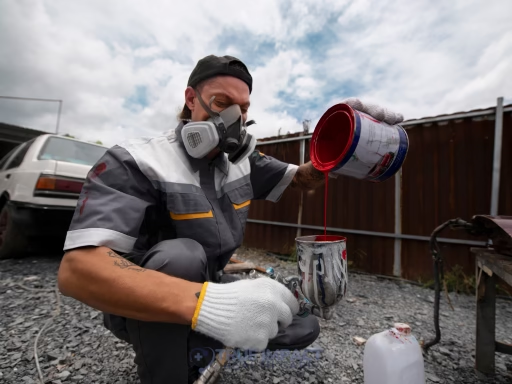
• Wear gloves, goggles, and masks when handling concentrated chlorine
• Use respirators rated for chemical vapors in high-risk environments
Good Ventilation
• Open windows or use exhaust fans when cleaning with bleach or other chlorine-based products
• Ensure pool equipment rooms have adequate air circulation
Safe Mixing Practices
• Never mix bleach with ammonia or acids (vinegar, toilet bowl cleaners)
• Read and follow label instructions carefully
Conclusion
Chlorine poisoning is a preventable but serious risk whenever you work with or near chlorine-based products. By recognizing early symptoms, such as coughing, eye irritation, and nausea—and taking prompt action, you can minimize harm. Always prioritize safety: use proper ventilation, protective gear, and careful storage practices. If you suspect significant exposure, seek professional medical help without delay. Armed with knowledge and vigilance, you can keep yourself and others safe from the dangers of chlorine poisoning.
Remember: safety first means peace of mind later. Stay informed, stay protected, and enjoy the benefits of chlorine without the risks.