











Top 10 Tips to Prevent Altitude Sickness
Whether you’re summiting Kilimanjaro, trekking in the Andes, or skiing in the Alps, high-altitude adventures promise breathtaking views and...
Table of Contents
Introduction
Whether you’re summiting Kilimanjaro, trekking in the Andes, or skiing in the Alps, high-altitude adventures promise breathtaking views and unforgettable experiences. But along with clear mountain air and sweeping panoramas comes a risk: altitude sickness. Also known as acute mountain sickness (AMS), this condition can affect anyone above 8,000 feet (2,400 meters), causing headaches, nausea, fatigue, and in severe cases, life-threatening complications. The good news? With smart planning and the right strategies, you can dramatically reduce your risk and keep your mountain dreams alive.

In this post, we’ll walk you through our top 10 tips to prevent altitude sickness, complete with practical advice, real-world examples, and an easy-to-follow structure. Let’s get started!
Tip 1: Ascend Gradually
Why It Matters
Your body needs time to adapt to reduced oxygen levels. Going up too fast overwhelms your system and triggers altitude sickness symptoms.
How to Do It
• Plan your itinerary so you don’t increase your sleeping altitude by more than 1,000–1,500 feet (300–450 meters) per day.
• Incorporate “rest days” every 3,000 feet (900 meters) of ascent.
• Example: If you start at 7,000 feet and plan to reach 14,000, schedule at least two acclimatization days along the way.
Tip 2: Stay Hydrated
Why It Matters
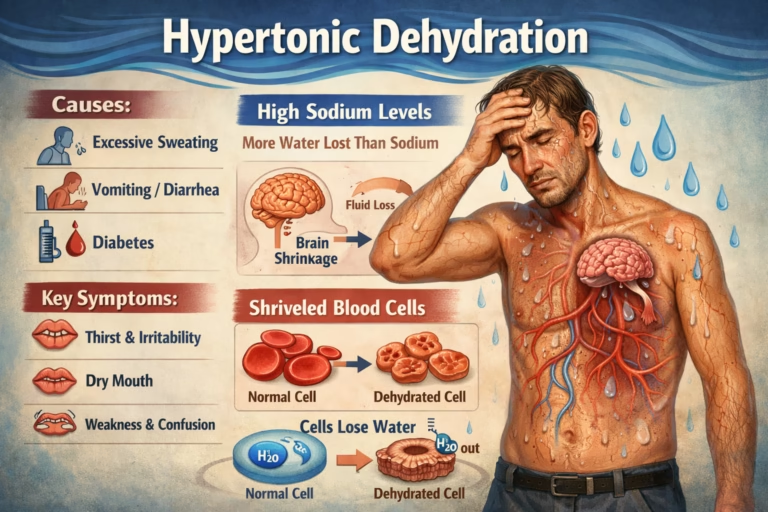
Dehydration thickens your blood, making it harder to circulate oxygen. High altitudes accelerate water loss through breathing and sweat.
Hydration Strategies
• Aim for at least 3–4 liters (100–135 oz) of water per day.
• Sip regularly rather than gulping.
• Include electrolyte tablets to replenish sodium, potassium, and magnesium.
Tip 3: Follow the “Climb High, Sleep Low” Rule
Why It Matters
Climbing higher during the day and returning to a lower elevation to sleep helps your body adapt without overtaxing it overnight.
Implementation
• Day-hike up 1,000–2,000 feet, then descend to your base camp for the night.
• Example: On a trek to Everest Base Camp, summit a nearby peak in the afternoon, then return to your standard camp.
Tip 4: Eat a Balanced, High-Carb Diet
Why It Matters
At altitude, your metabolism shifts to burn more carbohydrates for quick energy and efficient oxygen use.
Dietary Recommendations
• Focus on whole grains, fruits, vegetables, and lean proteins.
• Snack on energy bars, trail mix, and bananas.
• Avoid heavy fats and excessive sugars that slow digestion.
Tip 5: Limit Alcohol and Caffeine
Why It Matters
Both substances can dehydrate you and interfere with sleep, critical factors in altitude adaptation.
Smart Substitutes
• Swap your morning espresso for herbal tea.
• Replace evening beer with non-alcoholic mocktails or sparkling water.
• If you must indulge, do so in moderation, and bolster with extra water.
Tip 6: Prioritize Quality Sleep
Why It Matters
Deep, restorative sleep aids your body’s acclimatization process.
Sleep Hygiene Tips
• Bring earplugs and an eye mask to block noise and light.
• Keep your sleeping bag temperature-rated for the expected low.
• Avoid screens an hour before bed—read or journal instead.
Tip 7: Consider Preventive Medications
Why It Matters
Certain prescription drugs can ease acclimatization and reduce AMS symptoms.
Common Options
• Acetazolamide (Diamox): Speeds up acclimatization by increasing respiratory rate.
• Dexamethasone: A steroid used for short-term relief of severe symptoms.
• Always consult your physician for dosage, timing, and potential side effects before departure.
Tip 8: Practice Breathing Exercises
Why It Matters
Conscious breathing helps increase your lung capacity and oxygen uptake.
Techniques to Try
• Diaphragmatic Breathing: Breathe deeply from your belly, not just your chest.
• 4-7-8 Method: Inhale for 4 seconds, hold for 7, exhale for 8.
• Repeat exercises several times a day, especially before and during your climb.
Tip 9: Build Your Fitness Base
Why It Matters
Better cardiovascular fitness helps your body cope with lower oxygen levels.
Training Plan
• Incorporate running, cycling, or stair-climbing workouts 8–12 weeks before your trip.
• Focus on interval training to simulate the bursts of effort required on steep trails.
• Don’t neglect strength work for your legs and core—strong muscles reduce overall fatigue.
Tip 10: Listen to Your Body
Why It Matters
No matter how well you plan, every individual acclimatizes differently. Awareness and adaptability are key.
Warning Signs to Watch
• Persistent headache
• Dizziness or lightheadedness
• Severe nausea or vomiting
• Breathlessness at rest
• Swelling of hands, feet, or face
If you experience moderate to severe symptoms, descend immediately and seek medical attention.
Conclusion
Altitude sickness doesn’t have to put a damper on your high-altitude adventures. By ascending gradually, staying hydrated, fueling your body with the right foods, and paying close attention to how you feel, you’ll give yourself the best shot at a safe, successful climb. Whether you’re eyeing Machu Picchu, trekking Mount Fuji, or skiing in the Rockies, these 10 proven tips will help you conquer both the peak and the challenge of altitude sickness.
Ready to tackle your next mountain excursion? Bookmark this guide, share it with your travel buddies, and start planning that summit with confidence. Safe travels and clear skies!
Was this page helpful?
Thanks for your feedback! What could we improve?
Thank you! Your feedback helps us improve our articles.
True Impact Health articles are written by our editorial team and based on reliable sources such as public health agencies, clinical guidelines and peer-reviewed research. This article has not yet been medically reviewed. Read our editorial process.
This content is for general information and is not a substitute for professional medical advice, diagnosis or treatment.