












How to Heat Treat Flour
Learn how to heat treat raw flour safely at home to kill harmful bacteria like E. coli and Salmonella for use in no-bake and edible dough recipes.
By True Impact Health Editorial Team

Medical graduate of Girne American University with a focus on patient-centred care, clinical assessment and preventive health.
Reviewed this article on October 10, 2026.
View profile How we reviewUpdated on October 9, 2026 5 min read
Table of Contents
Quick answer
To heat treat flour safely, heat it until the entire batch reaches an internal temperature of at least 160°F (71°C). You can achieve this by baking it in an oven at 300°F (150°C), warming it in a dry skillet, or microwaving it in short bursts. Always confirm the temperature using a clean digital food thermometer.
Introduction
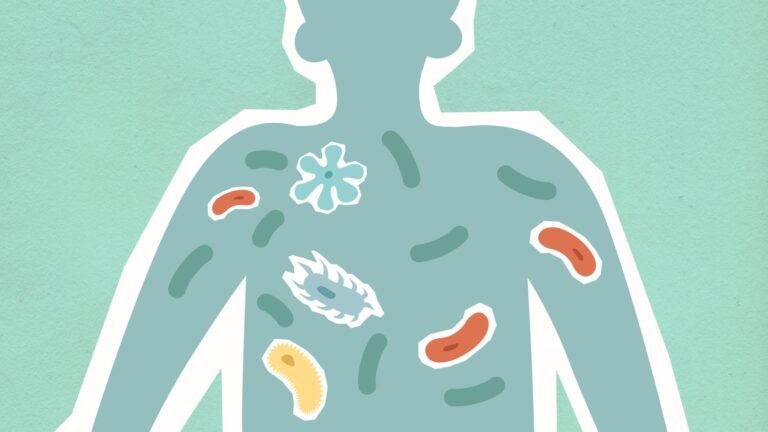
Whether you’re whipping up no-bake cookie dough, homemade playdough, or artisanal pastries, flour is at the heart of countless recipes. But did you know that raw flour can harbor harmful bacteria like E. coli or Salmonella? While these microbes are typically killed off during baking, any recipe that uses under-cooked or no-bake flour poses a potential risk. That’s where heat treating flour comes in—a simple, at-home process that makes your flour safe for all sorts of culinary and craft creations. In this post, we’ll explore why you should heat treat flour, break down three easy methods, and share tips to ensure perfect results every time.
Understanding the Risks: Why Heat Treat Flour?
• Pathogen concerns: Raw flour sometimes carries bacteria that survive in dry environments.
• Recent recalls: In the last decade, multiple flour brands have been recalled due to E. coli outbreaks.
• No-bake recipes: Edible cookie dough, energy balls, and even certain frostings often call for uncooked flour.
By heat treating your flour, you neutralize any lurking microbes without sacrificing quality, flavor, or performance in your baked goods.
How Heat Treating Works
At its core, heat treating involves applying enough heat to raise the internal temperature of flour to at least 160°F (71°C)—the temperature at which most foodborne bacteria perish, while maintaining its functional properties.
Three Simple Methods to Heat Treat Flour
A. Oven Method
- Preheat your oven to 300°F (150°C).
- Spread 1–2 cups of flour in an even layer on a rimmed baking sheet.
- Bake for 5–10 minutes, stirring halfway through to ensure even heating.
- Use a food thermometer to confirm the flour’s internal temperature reaches 160°F.
- Let it cool completely before storing or using.
Pros:
– Treats large batches at once
– Even heat distribution
Cons:
– Longer overall time due to preheating and cooling
B. Skillet or Stovetop Method
- Place a clean, dry skillet or frying pan on medium-low heat.
- Add a thin layer of flour—no more than ¼ inch thick.
- Stir constantly for 5–7 minutes.
- Use a food thermometer inserted into the flour to check for 160°F.
- Transfer the warmed flour to a cool bowl to prevent further cooking.
Pros:
– Quick heat-up time
– No oven required
Cons:
– Requires constant attention to avoid hotspots or scorching
C. Microwave Method
- Place ½–1 cup of flour in a microwave-safe bowl.
- Cover loosely with a microwave-safe plate or microwave vent lid.
- Microwave on high for 30 seconds, stir, then microwave in 15-second intervals.
- After each interval, check the temperature; stop once it’s at or above 160°F.
- Spread the flour on a plate to cool quickly.
Pros:
– Fastest option
– Ideal for very small batches
Cons:
– Uneven heating if not stirred frequently
Tips for Best Results
• Use a digital food thermometer: Accurate reading ensures safety without over-cooking.
• Work in small batches: Easier to heat and cool evenly.
• Store in airtight containers: Keeps your heat-treated flour free from moisture and pests.
• Label your flour: Note the date it was treated to track freshness (treated flour stays good for up to 6 months when stored properly).
Common FAQs
Q: Will heat treating change the taste or texture of my baked goods?
A: No. When done correctly, treated flour behaves just like untreated flour in recipes.
Q: Can I treat whole-grain or gluten-free flours the same way?
A: Yes. The same temperature guidelines apply. Just adjust times if you’re heating a denser flour like whole wheat.
Q: What if my flour doesn’t reach 160°F?
A: Continue heating in short increments, stirring frequently, until you hit the target temperature.
Conclusion
Heat treating flour is a simple, cost-effective way to protect your family (and guests!) from potential foodborne illness, especially when using raw or under-baked flour in no-bake recipes. Whether you choose the oven, stovetop, or microwave method, following these guidelines ensures safe, reliable results without compromising the flavor or performance of your flour. So the next time you crave edible cookie dough or a special baking project, treat your flour first and bake with confidence!
When to see a doctor
- Severe diarrhea lasting more than two days or bloody stools after consuming raw flour
- High fever above 102°F (39°C) accompanied by stomach cramps or persistent vomiting
- Signs of dehydration such as dry mouth, dizziness, or passing little to no urine
- Inability to keep liquids down due to continuous vomiting
- Call local emergency services immediately for severe weakness, confusion, or difficulty breathing
If symptoms are severe or come on suddenly, call your local emergency number.
Frequently asked questions
Why is untreated raw flour considered unsafe to eat?
Flour is a raw agricultural product grown outdoors where it can be exposed to animal waste and soil bacteria. Because milling grains does not include a kill step for pathogens, raw flour can carry germs like Shiga toxin-producing E. coli and Salmonella until thoroughly cooked.
Can heat-treated flour be used for standard bread baking?
Heat treating can partially alter the proteins and gluten structure necessary for standard yeast breads to rise properly. It is best reserved for no-bake recipes, cookie dough, frostings, and craft doughs rather than recipes requiring significant gluten development and leavening.
How can you tell if the flour is scorched during heating?
Overheated flour will develop a toasted, nutty scent, turn slightly yellow or brown, and may clump together. To prevent scorching, use low heat, stir frequently, and stop heating as soon as a digital food thermometer confirms the flour has reached 160°F (71°C).
Does buying organic or bleached flour reduce the risk of bacteria?
No. Organic, bleached, unbleached, and whole-wheat flours all carry the same potential risk of bacterial contamination. The bleaching and milling processes do not kill harmful bacteria, meaning all types of raw flour require heat treatment before safe, uncooked consumption.
Was this page helpful?
Thanks for your feedback! What could we improve?
Thank you! Your feedback helps us improve our articles.
Medically reviewed by
Dr. Oluwabusola Stella OkeMedical graduate of Girne American University with a focus on patient-centred care, clinical assessment and preventive health.
True Impact Health articles are written by our editorial team and based on reliable sources such as public health agencies, clinical guidelines and peer-reviewed research. This article has been checked by a doctor on our review panel. Read our editorial process.
This content is for general information and is not a substitute for professional medical advice, diagnosis or treatment.