Understanding Your VA Disability Rating for Hypertension: A Veteran’s Guide
Introduction
Hypertension (high blood pressure) affects millions of Americans and veterans are no exception. If you’re living with service-connected hypertension, navigating the VA disability claims process can feel overwhelming. Understanding the VA’s rating criteria, preparation tips, and documentation requirements empowers you to secure the compensation you deserve. In this post, we’ll unpack everything you need to know about the VA disability rating for hypertension, also known as Diagnostic Code 7101.
What Is VA-Rated Hypertension?
Hypertension occurs when the force of blood against your artery walls is consistently too high. Veterans may develop or aggravate hypertension due to:
• Combat stress
• Exposure to Agent Orange or other toxins
• Secondary service connection (e.g., hypertension linked to kidney disease)
The VA uses Diagnostic Code 7101 to evaluate hypertension. Your disability rating determines monthly compensation, ranging from 0% up to 60%.
VA Rating Criteria for Hypertension
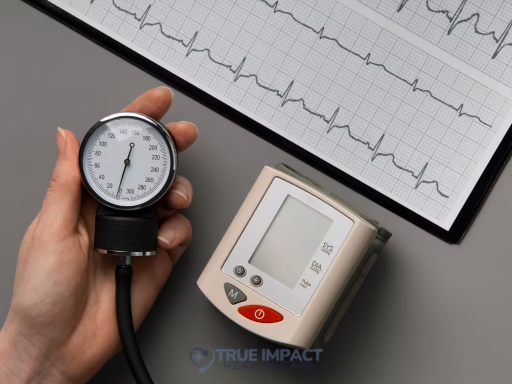
The U.S. Department of Veterans Affairs (VA) uses Diagnostic Code 7101 to assign disability ratings for hypertension. Ratings are primarily based on consistent blood pressure readings and the presence of symptoms or organ damage, which then determine the level of compensation.
Rating Breakdown
0% Rating
-
Blood Pressure: Systolic <140 mm Hg AND Diastolic <90 mm Hg
-
Treatment: None or controlled through lifestyle measures alone (diet, exercise, stress management)
-
Implication: No VA compensation is provided, though documentation of controlled hypertension is important for records.
10% Rating
-
Blood Pressure: Systolic 140–159 mm Hg OR Diastolic 90–99 mm Hg
-
Treatment: May require minimal or single-drug medication
-
Implication: Indicates mild hypertension with manageable symptoms, qualifying for a small VA disability rating.
20% Rating
-
Blood Pressure: Systolic 160–179 mm Hg OR Diastolic 100–109 mm Hg
-
Treatment: Multiple medications or higher doses may be required
-
Implication: Moderate hypertension that affects daily life, meriting a higher rating due to medication dependence and symptom management.
40% Rating
-
Blood Pressure: Systolic 180–199 mm Hg OR Diastolic 110–119 mm Hg
-
Symptoms: Headaches, visual disturbances, dizziness, or other moderate complications
-
Implication: Significant impact on health; higher disability compensation reflects the severity of symptoms.
60% Rating
-
Blood Pressure: Systolic ≥200 mm Hg OR Diastolic ≥120 mm Hg
-
Symptoms: Marked clinical signs or evidence of end-organ damage (heart, kidneys, eyes, or brain)
-
Implication: Severe hypertension; substantial disability rating for long-term health risks and medication dependence.
Key Notes
-
The VA requires at least two consistent readings at separate examinations to assign a rating.
-
Lifestyle modifications alone (diet, exercise, stress reduction) are not sufficient to lower the rating if blood pressure remains elevated without prescribed medication.
-
Accurate medical documentation, including blood pressure logs, medication lists, and symptom reports, strengthens a VA claim.
Establishing Service Connection for Hypertension
To receive VA disability benefits for hypertension, you must demonstrate that your condition is “service-connected.” This means showing a clear link between your military service and your diagnosis or aggravation of hypertension. The VA recognizes three primary pathways.
Pathways to Service Connection
1. Direct Service Connection
-
Onset or Diagnosis During Service: Hypertension is documented while on active duty.
-
Continuity of Care: Ongoing treatment after service supports the claim, showing the condition is chronic and linked to military service.
2. Secondary Service Connection
-
Caused or Aggravated by Another Service-Connected Condition: For example, hypertension may develop due to chronic kidney disease, PTSD, or sleep apnea that is already recognized as service-connected.
3. Aggravation of a Pre-Existing Condition
-
Worsened Beyond Natural Progression: You must show that military service made your hypertension worse than it would have naturally progressed.
Supporting Evidence Checklist
Strong claims are supported by documented, verifiable evidence:
-
Service medical records showing in-service blood pressure readings or related notes
-
Post-service VA and private treatment records confirming ongoing management
-
Nexus letter from a physician explaining how hypertension is linked to service or a service-connected condition
-
Buddy statements from fellow servicemembers or coworkers who observed symptoms or changes during or after service
Preparing a Strong Claim
A well-documented claim can significantly improve your chances of a favorable decision. Key steps include:
Obtain Complete Medical Records
-
Gather VA and private doctor notes, lab results, and blood pressure logs.
Secure a Nexus Letter
-
A detailed statement from a qualified medical professional linking hypertension to service or a service-connected condition is critical.
Attend the C&P Exam Prepared
-
Be honest and thorough during your Compensation & Pension (C&P) exam.
-
Bring a list of current medications and home blood pressure records to demonstrate ongoing management.
Leverage Lay Statements
-
Written accounts from family, friends, or coworkers describing daily struggles or symptoms can support your claim.
Understanding Appeal Rights
If the VA denies your claim or assigns a lower rating than expected, you have multiple options:
-
Request a Higher-Level Review: The same evidence is reviewed by a different adjudicator.
-
File a Supplemental Claim: Submit new and relevant evidence supporting your case.
-
Appeal to the Board of Veterans’ Appeals: Present legal arguments and supporting evidence for reconsideration.
Important: Appeals generally must be filed within one year of your rating decision.
Maximizing Your Benefits
A service-connected hypertension rating offers more than monthly compensation:
-
VA Healthcare Enrollment Priority: Faster access to medical care and specialists.
-
Specialized Cardiac and Mental Health Services: Support for complications or coexisting conditions.
-
Dependents’ Benefit Enhancements: At higher disability levels (e.g., 30% or above), family members may qualify for additional support.
Conclusion
Securing a VA disability rating for hypertension hinges on understanding Diagnostic Code 7101, gathering thorough medical evidence, and clearly demonstrating service connection. By following the guidelines above, preparing well-documented claims, attending VA exams ready, and appealing unfavorable decisions, you’ll be in a stronger position to obtain the compensation and support you’ve earned. If you need assistance, consider consulting a Veterans Service Officer (VSO) or accredited claims agent to guide you through the process.
Remember, you served your country, now let the VA serve you. Take the first step today toward securing your hypertension rating and the benefits you deserve.