
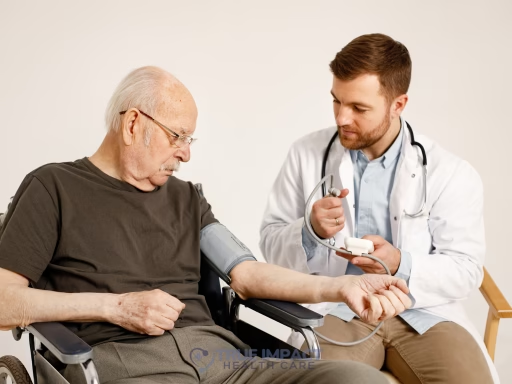
Isolated Diastolic Hypertension: What You Need to Know
Introduction
High blood pressure is one of the most common chronic conditions worldwide, often dubbed the “silent killer” because it can quietly damage your heart, kidneys, and brain for years before you notice any symptoms. While most of us have heard about high systolic blood pressure (the top number), isolated diastolic hypertension (IDH), where only the bottom number is elevated, deserves attention, too. In this post, we’ll dive into what isolated diastolic hypertension is, why it matters, and how you can manage and prevent it.
 heart failure" width="600" height="450" srcset="https://trueimpacthealth.com/wp-content/uploads/2025/12/Congestive-heart-failure-3-300x225.avif 300w, https://trueimpacthealth.com/wp-content/uploads/2025/12/Congestive-heart-failure-3.avif 512w" sizes="(max-width: 600px) 100vw, 600px" />
Understanding Blood Pressure Basics
Before we zoom in on isolated diastolic hypertension, let’s review the two numbers in your blood pressure reading:
- Systolic pressure (the top number) measures force when your heart contracts.
- Diastolic pressure (the bottom number) measures force when your heart relaxes between beats.
Normal blood pressure is typically defined as less than 120/80 mm Hg. When only the diastolic reading is consistently elevated (for example, 130/90 mm Hg or 125/90 mm Hg), you have isolated diastolic hypertension.
Defining Isolated Diastolic Hypertension
Isolated diastolic hypertension occurs when:
• Diastolic blood pressure is 80–89 mm Hg or higher (depending on which guideline you follow)
• Systolic blood pressure remains below 130–140 mm Hg
Unlike combined hypertension, where both numbers are high, IDH can go unnoticed if you focus only on the systolic number. Early detection is key to preventing long-term damage.
Who’s at Risk? Common Causes and Contributing Factors
IDH can develop for many reasons. Some of the most common risk factors include:
• Age: Younger adults (20s–50s) are more prone to IDH than isolated systolic hypertension, which is more common in seniors.
• Genetics: A family history of hypertension or cardiovascular disease raises your risk.
• Lifestyle factors:
– Excessive salt intake
– Sedentary behavior
– Overweight or obesity
– Smoking and heavy alcohol use
• Hormonal influences: Thyroid disorders or adrenal gland abnormalities can drive up diastolic pressure.
• Stress and anxiety: Chronic stress stimulates hormones that constrict blood vessels and elevate diastolic pressure.
Why Isolated Diastolic Hypertension Matters
Even though the diastolic number often gets less attention, elevated diastolic pressure alone can:
• Increase strain on the heart and arteries
• Lead to stiffening of arterial walls (arteriosclerosis)
• Impair blood flow to vital organs, including the brain and kidneys
• Raise long-term risk of heart attack, stroke, and kidney disease
If left unmanaged, IDH can transition into combined hypertension, making it harder to treat and increasing cardiovascular risk.
Diagnosing IDH: Best Practices
Your healthcare provider will typically diagnose isolated diastolic hypertension through:
• Multiple readings: Blood pressure can fluctuate, so confirm elevated diastolic values on at least two or three separate visits.
• Home monitoring: Using a validated home blood pressure monitor helps identify “white-coat hypertension” (elevated readings in a clinical setting only).
• Ambulatory blood pressure monitoring (ABPM): Wearing a portable monitor over 24 hours can give a more accurate picture of your pressure, including during sleep.
Lifestyle Strategies to Lower Diastolic Pressure
For most people with mild to moderate IDH, lifestyle modifications are the first line of defense. Here are evidence-based steps you can take:
• Adopt the DASH diet (Dietary Approaches to Stop Hypertension), rich in fruits, vegetables, whole grains, lean protein, and low-fat dairy
• Reduce sodium intake to 1,500–2,300 mg per day
• Aim for at least 150 minutes of moderate aerobic exercise per week (e.g., brisk walking, cycling)
• Maintain a healthy weight—losing even 5–10% of body weight can lower blood pressure
• Limit alcohol to no more than one drink per day for women, two for men
• Quit smoking and avoid secondhand smoke
• Practice stress management: meditation, yoga, deep breathing, or journaling
When Medications Come Into Play
If lifestyle changes alone aren’t enough, or if your diastolic pressure is consistently at or above 90 mm Hg—your doctor may recommend medications. Common classes include:
• Diuretics (e.g., hydrochlorothiazide) to reduce fluid volume
• ACE inhibitors or ARBs to relax blood vessels
• Calcium channel blockers to improve arterial compliance
• Beta-blockers to lower heart rate and reduce workload
Your provider will tailor therapy based on your overall health, age, comorbidities, and potential side effects.
Monitoring and Long-Term Prevention
Consistency is crucial when managing any form of hypertension. To keep isolated diastolic hypertension in check:
• Check your blood pressure regularly at home and bring readings to doctor visits.
• Adhere to your medication regimen, never stop or change doses without consulting your healthcare provider.
• Stay proactive with annual health screenings, including blood sugar and cholesterol checks.
• Reassess lifestyle habits periodically and adjust as needed.
Conclusion
Isolated diastolic hypertension may seem less conspicuous than elevated systolic readings, but it carries its own risks and demands timely intervention. By understanding your blood pressure numbers, adopting heart-healthy habits, and collaborating closely with your healthcare team, you can effectively manage IDH and protect your cardiovascular health for the long haul. Remember: knowledge and consistency are your best allies against the silent progression of high blood pressure.
Ready to take control of your blood pressure? Start by tracking your readings at home, scheduling a checkup with your doctor, and embracing at least one heart-healthy habit today, whether it’s swapping processed snacks for fresh veggies or taking a brisk evening walk. Small steps add up to big wins for your health!









One Response