Fever With Leg Pain in Child: Causes, Symptoms, and When to Seek Help
Introduction
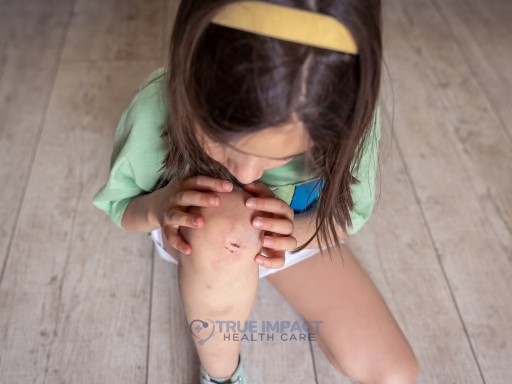
Watching your child struggle with both fever and leg pain can be frightening. You might wonder whether it’s a simple viral illness, growing pains, or something more serious requiring immediate medical attention. In this post, we’ll walk you through the most common causes, key warning signs, at-home care tips, and when to visit your pediatrician. By the end, you’ll feel more confident recognizing red flags and helping your little one feel better fast.
Understanding Fever and Leg Pain in Children

Fever and leg pain often occur together during childhood illnesses or developmental phases. Here’s what you need to know:
• Fever
– A body temperature above 100.4°F (38°C).
– A natural immune response to infections, viral or bacterial.
• Leg Pain
– Can range from mild aches to sharp, debilitating pain.
– May be in muscles, joints, or bones.
When these two occur simultaneously, it’s essential to identify whether it’s a benign condition or something that needs prompt evaluation.
Common Causes
- Growing Pains
– Typically occur in children 3–12 years old, often at night.
– Characterized by dull, aching pain in calves, shins, or behind knees.
– Not associated with fever, but mild temperature fluctuations may happen. - Viral Myositis
– Commonly follows influenza or other viral infections.
– Sudden calf pain, difficulty walking, and fever lasting 1–3 days.
– Self-limiting; resolves with rest and supportive care. - Bacterial Infections
• Osteomyelitis (bone infection)
– High fever, intense localized pain, redness, and swelling.
• Septic Arthritis (joint infection)
– Refusal to move or bear weight on affected leg, joint warm and tender. - Autoimmune Conditions
– Juvenile Idiopathic Arthritis (JIA) can start with joint pain, low-grade fever.
– Often presents with morning stiffness and swelling in multiple joints. - Trauma and Overuse
– Sprains, strains, or stress fractures from playground falls or sports.
– Fever is uncommon unless there’s an associated infection. - Hematologic Disorders
– Sickle Cell Crisis may cause severe leg pain plus fever.
– More likely in children with known sickle cell disease.
Recognizing Red Flags

Not all fevers and aches are harmless. Seek medical care immediately if your child has:
• Fever ≥ 104°F (40°C) or fever lasting > 3 days
• Persistent or worsening leg pain preventing walking or bearing weight
• Redness, swelling, or warmth around the bone or joint
• Difficulty moving the leg or obvious limping
• Signs of systemic illness: rapid breathing, lethargy, poor feeding, rash
• History of immunocompromise, sickle cell disease, or recent open wound
Home Care and Comfort Measures
For mild cases, especially viral myositis or growing pains, you can often manage symptoms at home:
• Rest and limited activity for 24–48 hours
• Hydration: plenty of fluids (water, electrolyte drinks)
• Over-the-counter pain relievers (acetaminophen or ibuprofen) per dosing guidelines
• Warm baths or heating pads to soothe muscle aches
• Gentle stretching or massage of the calf and thigh muscles
Diagnostic Evaluation
When you visit your pediatrician, they may perform:
• Physical exam focusing on gait, joint range of motion, and signs of inflammation
• Blood tests: complete blood count (CBC), inflammatory markers (CRP, ESR)
• Imaging: X-ray, ultrasound, or MRI if fracture or deep-seated infection is suspected
• Joint aspiration in suspected septic arthritis
Treatment Options
Treatment will depend on the underlying cause:
• Viral Myositis or Growing Pains
– Supportive care only; symptoms resolve in days
• Bacterial Infections (Osteomyelitis, Septic Arthritis)
– Hospital admission, IV antibiotics, possible surgical drainage
• Juvenile Idiopathic Arthritis
– Nonsteroidal anti-inflammatory drugs (NSAIDs), disease-modifying agents
• Sickle Cell Crisis
– Pain management, hydration, sometimes blood transfusion
• Fractures or Sprains
– Immobilization (cast or splint), rest, physical therapy
Prevention and Tips
• Keep up-to-date with childhood vaccinations (including flu vaccine)
• Encourage safe play, use protective gear during sports and cycles
• Maintain good hygiene to reduce viral and bacterial spread
• Teach proper stretching and warm-up routines before activities
• Promote a balanced diet rich in calcium and vitamin D for bone health
Conclusion
Fever with leg pain in a child can range from a fleeting viral myositis to a serious bacterial infection. Early recognition, appropriate home care, and timely medical evaluation are key. Monitor your child’s symptoms closely, use supportive measures for mild cases, and don’t hesitate to contact your pediatrician if you notice any red flags. With the right approach, most kids bounce back quickly, allowing them to return to running, playing, and laughing in no time.
Remember: trust your parental instincts. When in doubt, seek professional advice. Your child’s comfort and safety come first!