












How to Treat Dog Ear Hematoma at Home
Learn safe home care for a dog ear hematoma, including cleaning, cold compresses, and when to seek veterinary help.
By True Impact Health Editorial Team

Doctor of Veterinary Medicine (DVM) who reviews the pet and animal health articles on True Impact Health.
Reviewed this article on October 10, 2026.
View profile How we reviewUpdated on October 10, 2026 8 min read
Table of Contents
Quick answer
A dog ear hematoma is a fluid‑filled swelling between the skin and cartilage of the ear flap caused by repeated shaking or scratching. At home you can keep the ear clean, apply cold compresses, and use an Elizabethan collar to stop further trauma, but a vet should assess the cause and may need to drain or surgically repair it.
Introduction
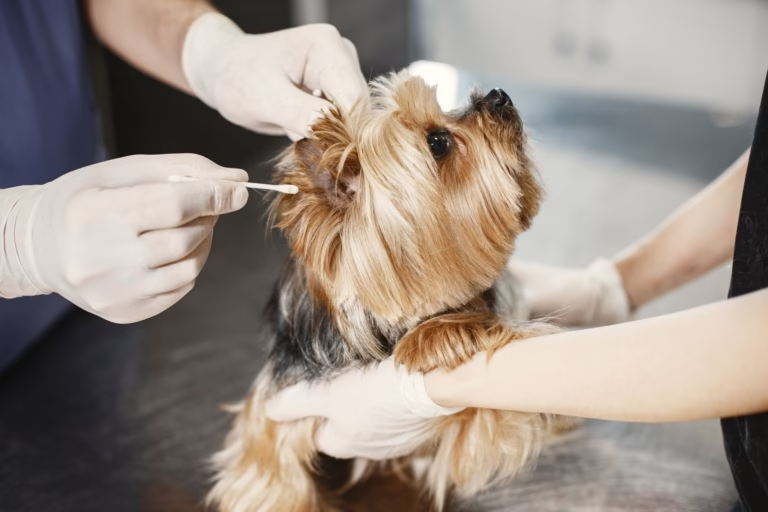
Discovering your dog shaking its head or scratching its ear only to find a swollen, warm lump can be alarming. This condition known as an aural hematoma, is essentially a blood-filled pocket between the cartilage and skin of your dog’s ear flap. While veterinary intervention is often recommended, there are safe, supportive steps you can take at home to help your dog feel more comfortable and prevent complications. In this post, we’ll walk you through everything you need to know about how to treat dog ear hematoma at home, from identifying symptoms to home-care strategies and prevention tips.
What Is a Dog Ear Hematoma?
A dog ear hematoma, also known as an aural hematoma, is a condition in which small blood vessels rupture within the ear flap (pinna), allowing blood to leak and collect between the layers of ear tissue. This trapped blood creates a soft, swollen, and often painful pocket, giving the ear a puffy or balloon-like appearance.
Ear hematomas most commonly occur when a dog shakes its head repeatedly or scratches its ears aggressively, usually in response to an underlying problem such as ear infections, allergies, ear mites, or foreign debris. The constant trauma causes the delicate blood vessels in the ear to break.
If left untreated, the pooled blood can clot and scar, leading to thickened, wrinkled ear tissue. Over time, this can permanently alter the ear’s appearance and flexibility, a condition often referred to as “cauliflower ear.” In addition to cosmetic changes, chronic hematomas can reduce air circulation in the ear, increasing the risk of recurring infections.
Key Points
-
Location: Typically forms on the inner surface of the ear flap (pinna), though swelling may affect the entire ear.
-
Contents: Accumulated blood, sometimes mixed with inflammatory fluid, trapped between tissue layers.
-
Risk: Without timely treatment, scarring and fibrosis can cause permanent ear deformity and ongoing discomfort.
Early veterinary evaluation is important, not only to treat the hematoma itself but also to address the underlying cause that triggered it.
Causes and Symptoms
Understanding what triggers an ear hematoma is essential, not only for choosing the right treatment, but also for preventing recurrence. In most cases, the hematoma itself is a consequence of an underlying ear problem rather than the primary issue.
Common Causes
Ear hematomas usually develop after repeated trauma to the ear flap, which damages small blood vessels. Common triggers include:
-
Ear infections or ear mites: These cause intense itching and discomfort, prompting excessive scratching or head shaking.
-
Aggressive head shaking: Even without infection, persistent irritation (moisture, debris, wax buildup) can lead to vessel rupture.
-
Physical trauma: Rough play with other dogs, accidental injury, or impact against hard surfaces.
-
Underlying skin allergies: Dogs with food or environmental allergies are especially prone to chronic ear inflammation and repeated hematomas.
Identifying and treating the root cause, such as infection or allergies, is critical to successful recovery.
Typical Symptoms
Dogs with an ear hematoma often show both visible and behavioral signs, including:
-
A swollen, soft, or squishy ear flap, often warm when touched
-
Frequent head shaking or ear scratching
-
Pain or sensitivity when the ear is handled
-
Redness, bruising, or discoloration of the ear flap
-
In some cases, the ear may droop or look uneven compared to the unaffected side
Symptoms can worsen quickly, especially if head shaking continues.
When to Consult a Veterinarian
While mild supportive care at home may help with comfort, veterinary evaluation is strongly recommended in many situations. Contact your vet promptly if you notice:
-
Rapid or progressive increase in hematoma size
-
Signs of infection, such as foul odor, discharge, pus, fever, or lethargy
-
Severe pain, behavioral changes, or refusal to eat
-
Recurrence after initial improvement
-
A history of chronic ear disease or suspected deep ear infection
Veterinarians can assess whether medical management, drainage, or surgical correction is needed and address the underlying ear condition to prevent relapse.
Home Treatment Options
Home care may help reduce discomfort and prevent worsening, but it cannot replace veterinary treatment, especially in moderate to severe cases.
Before any care, always wash your hands and keep the ear as clean and dry as possible.
Safe, non-invasive home care may include:
-
Cold compresses (briefly, several times daily) to reduce swelling and pain
-
Preventing head shaking using an Elizabethan collar if recommended by your vet
-
Keeping the ear clean and dry, following vet-approved cleaning solutions
-
Administering medications only if prescribed or approved by a veterinarian
⚠️ Important Safety Note:
Never attempt to lance, puncture, or drain an ear hematoma at home unless you have been explicitly trained by a licensed veterinarian. Improper drainage can lead to uncontrolled bleeding, infection, scarring, and permanent ear deformity.
Step-by-Step Guide to Home Care
The goal of home care for a dog ear hematoma is comfort, swelling reduction, and prevention of worsening, not definitive treatment. Always prioritize safety and stop if your dog becomes distressed.
1. Calm Your Dog
Creating a relaxed environment reduces head shaking and accidental injury.
-
Choose a quiet, familiar room away from noise and other pets.
-
Use calm voice cues, gentle praise, and small treats to reduce anxiety.
-
If needed, have a helper gently restrain your dog, supporting the head and body without force.
-
Avoid stressful handling, sudden movement can worsen bleeding inside the ear.
2. Clean the Ear Surface (External Only)
This step helps reduce surface bacteria and prepares the area for compresses or bandaging.
-
Lightly moisten sterile gauze with a vet-approved antiseptic (e.g., diluted chlorhexidine).
-
Wipe only the outer surface of the ear flap, do not insert anything into the ear canal.
-
Remove visible dirt or discharge gently.
-
Allow the ear to air-dry for about a minute before proceeding.
3. Apply a Cold Compress
Cold therapy is one of the safest and most effective early measures.
-
Wrap an ice pack or cold gel pack in a thin towel to prevent frostbite.
-
Apply gentle pressure to the swollen area for 5–10 minutes.
-
Repeat every 2–3 hours during the first 24–48 hours, when swelling and bleeding are most active.
-
Stop if your dog shows discomfort or tries to pull away forcefully.
Cold compresses help constrict blood vessels, limiting further fluid buildup.
4. Gentle Aspiration (⚠️ Only With Explicit Veterinary Instruction)
This step is not recommended for routine home care.
-
Aspiration (removing blood with a needle) should only be performed if a licensed veterinarian has shown you the technique and approved it for your dog’s specific case.
-
Incorrect technique can cause uncontrolled bleeding, infection, severe pain, or permanent ear deformity.
-
In many cases, hematomas refill quickly after aspiration unless followed by medical or surgical management.
If you have not been trained by a vet, skip this step entirely.
5. Wrap and Support the Ear
Proper support can reduce movement and prevent re-bleeding.
-
Place sterile gauze flat against the ear flap.
-
Secure it gently using self-adhesive wrap (e.g., Vetrap®)—snug but never tight.
-
Check circulation: the ear should remain warm and pink, not cold or swollen below the wrap.
-
Ensure your dog can still move comfortably and is not distressed by the wrap.
Recheck the wrap daily and replace it if it becomes wet or dirty.
6. Medication and Monitoring
If your veterinarian prescribes medication, consistency is critical.
-
Give anti-inflammatories or antibiotics strictly as prescribed—never use human medications unless directed by a vet.
-
Inspect the ear daily for changes in swelling, heat, redness, or discharge.
-
Continue cold compresses for up to 72 hours, unless advised otherwise.
-
If swelling worsens or refills quickly, seek veterinary care promptly.
Tips for Prevention
Once the immediate issue is under control, prevention becomes the priority.
Treat Ear Infections Promptly
-
Clean ears regularly using vet-approved solutions.
-
Dry ears thoroughly after bathing or swimming.
-
Never ignore early signs like odor, redness, or frequent scratching.
Control Ear Mites and Allergies
-
Use monthly parasite preventives as recommended.
-
Work with your vet to manage food or environmental allergies, which are a major cause of chronic ear inflammation.
Discourage Excessive Head Shaking
-
Use an Elizabethan (cone) collar if scratching or shaking persists.
-
Provide mental stimulation, chew toys, or gentle activities to redirect attention.
Routine Veterinary Checkups
-
Schedule annual or biannual exams, especially for dogs prone to ear problems.
-
Ask your vet to check the ears even if your dog seems comfortable, early issues are often subtle.
Conclusion
Treating a dog ear hematoma at home can be a compassionate first step to ease pain and minimize swelling. By combining careful cleaning, cold therapy, and (where appropriate) gentle aspiration, you can help your pet recover more comfortably, while always keeping a veterinarian in the loop for any complications. Remember, early action not only relieves your dog’s discomfort but also reduces the risk of permanent ear deformities. Implementing preventive measures, like regular ear hygiene, allergy management, and prompt treatment of infections—will go a long way toward keeping your dog’s ears healthy and hematoma-free.
Ready to take action? Start with a calm, methodical approach today, and don’t hesitate to reach out to your trusted veterinarian for personalized guidance. Your dog’s comfort and health are worth every careful step.
When to see a vet
- Rapid increase in swelling or size of the hematoma
- Foul odor, discharge, pus, or signs of infection
- Severe pain, fever, lethargy, or loss of appetite
- Bleeding from the ear or sudden rupture of the swelling
- Repeated recurrence after initial improvement
If your pet collapses, struggles to breathe or is in severe pain, contact an emergency vet straight away.
Frequently asked questions
Can I use over‑the‑counter pain medication for my dog’s ear hematoma?
Do not give human pain relievers such as ibuprofen or acetaminophen to dogs. Only give medications prescribed or approved by a veterinarian, as many are toxic to pets.
How long does a hematoma usually take to resolve with veterinary treatment?
If drained or surgically corrected and the underlying cause is managed, most hematomas heal within 2–3 weeks, though scar tissue may take longer to remodel.
Will my dog need an Elizabethan collar for the whole recovery period?
A collar is usually needed until the swelling subsides and the dog stops shaking its head, often 1–2 weeks, to protect the ear from further injury.
Can ear mites cause a hematoma even if the ear looks normal?
Yes, ear mites can irritate the ear canal, leading to intense scratching or shaking that may rupture vessels and create a hematoma, even without obvious external signs.
Sources and further reading
Was this page helpful?
Thanks for your feedback! What could we improve?
Thank you! Your feedback helps us improve our articles.
Veterinary reviewed by
Dr. Hannah Silvanus, DVMDoctor of Veterinary Medicine (DVM) who reviews the pet and animal health articles on True Impact Health.
True Impact Health articles are written by our editorial team and based on reliable sources such as public health agencies, clinical guidelines and peer-reviewed research. This article has been checked by a veterinarian on our review panel. Read our editorial process.
This content is for general information and is not a substitute for professional medical advice, diagnosis or treatment.