















Enterovirus Rhinovirus
Enteroviruses and rhinoviruses are among the most common viral pathogens affecting millions of people worldwide each year. While they share certain...

Table of Contents
Introduction:
Enteroviruses and rhinoviruses are among the most common viral pathogens affecting millions of people worldwide each year. While they share certain characteristics, such as belonging to the Picornaviridae family, they differ in the types of illnesses they cause, routes of transmission, and seasons of peak activity. In this post, we’ll demystify these two virus groups, explore their symptoms, transmission dynamics, and offer practical prevention tips. Whether you’re a healthcare professional, parent, or someone simply seeking to stay healthy, read on for a clear, conversational guide to enteroviruses and rhinoviruses.
What Is an Enterovirus?

Enteroviruses are a large group of RNA viruses known primarily for infecting the gastrointestinal tract, although they can spread to other parts of the body. Key subtypes include Coxsackievirus, Echovirus, and Poliovirus.
• Common Conditions Caused by Enteroviruses
– Hand, Foot, and Mouth Disease (HFMD)
– Aseptic meningitis
– Viral myocarditis
– Poliomyelitis (rare in countries with widespread vaccination)
• Seasonality and Epidemiology
– Most active in summer and early fall
– Outbreaks often occur in childcare settings and camps
– Transmission peaks when people spend more time in close contact outdoors
What Is a Rhinovirus?
Rhinoviruses are the leading cause of the common cold and predominantly infect the upper respiratory tract. With over 100 serotypes, they’re notorious for their genetic diversity, which makes long-term immunity challenging.
• Common Conditions Caused by Rhinoviruses

– Common cold (runny nose, sore throat, cough)
– Exacerbations of asthma and chronic obstructive pulmonary disease (COPD)
– Occasional ear or sinus infections as a secondary complication
• Seasonality and Epidemiology
– Peaks in early spring and late fall
– Transmission surges in schools and workplaces
– Responsible for up to 50% of common cold cases
Symptoms and Clinical Presentation
Although both viruses can cause fever and malaise, their hallmark symptoms differ based on the primary site of infection.
Enterovirus Symptoms
• Fever, headache, and muscle aches
• Gastrointestinal upset (nausea, vomiting, diarrhea)
• Rash or blisters in hands, feet, and mouth (HFMD)
• Neck stiffness (in meningitis cases)
Rhinovirus Symptoms
• Nasal congestion and runny nose
• Sneezing and itchy throat
• Mild cough and low-grade fever
• Headache and general fatigue
Transmission and Risk Factors
Understanding how these viruses spread helps in crafting effective prevention strategies.
Enterovirus Transmission
• Fecal-oral route (contaminated hands, water, or food)
• Respiratory droplets (less common than fecal-oral)
• Direct contact with infected surfaces
Rhinovirus Transmission
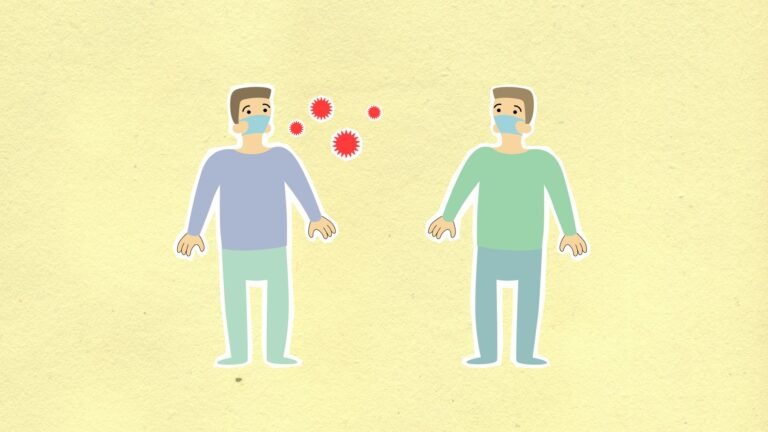
• Respiratory droplets from coughs or sneezes
• Direct contact with contaminated hands or fomites (doorknobs, mobile devices)
• Aerosolized particles in confined spaces
Diagnosis and Treatment

Laboratory testing can confirm the specific virus strain, but in most mild cases, clinicians diagnose based on symptom patterns and seasonality.
Diagnostic Tools
• PCR testing of stool, throat swabs, or cerebrospinal fluid (enterovirus)
• Nasal or throat swabs with rapid molecular assays (rhinovirus)
• Serology (rarely used in routine practice)
Treatment Approaches
Since both infections are viral, treatment is largely supportive:
• Hydration and rest
• Over-the-counter pain and fever reducers (acetaminophen, ibuprofen)
• Topical or oral decongestants for rhinovirus-related congestion
• Hospitalization and antiviral therapy (rare) for severe enterovirus complications, such as viral meningitis or myocarditis
Prevention Strategies
There are no widely available vaccines for most enteroviruses or rhinoviruses (except for poliovirus and experimental enterovirus 71 vaccines). Prevention focuses on hygiene and environmental measures.
Key Prevention Tips
• Frequent handwashing with soap and warm water for at least 20 seconds
• Use alcohol-based hand sanitizer when soap and water aren’t available
• Disinfect high-touch surfaces regularly (doorknobs, light switches, phones)
• Cover coughs and sneezes with a tissue or elbow crease
• Stay home when symptomatic to limit community spread
• Encourage outdoor play and adequate ventilation in schools and offices
When to Seek Medical Attention
Although most cases are mild and self-limiting, watch for warning signs:
• High or persistent fever (> 39°C/102.2°F)
• Severe headache or neck stiffness
• Difficulty breathing or chest pain
• Dehydration (reduced urine output, dizziness)
• Significant lethargy or confusion
Conclusion
Enteroviruses and rhinoviruses may share a family name, but their behavior, clinical impact, and peak seasons set them apart. By understanding their distinct symptoms, transmission routes, and preventive measures, you can protect yourself and your community more effectively. Remember: good hygiene practices, staying informed, and early recognition of warning signs are your best defenses. Stay healthy, stay vigilant, and spread knowledge, not germs!
Was this page helpful?
Thanks for your feedback! What could we improve?
Thank you! Your feedback helps us improve our articles.
True Impact Health articles are written by our editorial team and based on reliable sources such as public health agencies, clinical guidelines and peer-reviewed research. This article has not yet been medically reviewed. Read our editorial process.
This content is for general information and is not a substitute for professional medical advice, diagnosis or treatment.