
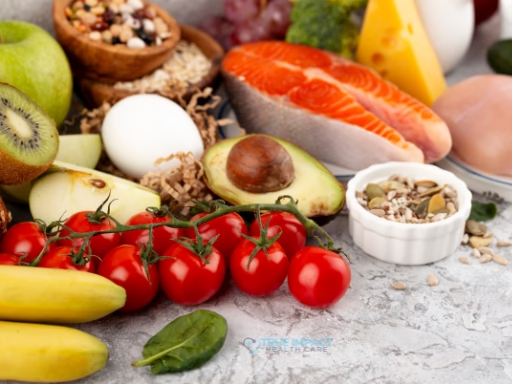
If you have high cholesterol, understanding which foods support heart health and which ones to limit is essential. Diet plays a major role in managing cholesterol levels and reducing the risk of heart disease.
To lower cholesterol naturally, focus on fresh, whole foods such as leafy greens, whole grains, nuts, seeds, and legumes. These foods are rich in fiber, healthy fats, and antioxidants that help reduce low-density lipoprotein (LDL) cholesterol while supporting overall cardiovascular health.
Below are 14 foods scientifically linked to lower cholesterol and improved heart health.
1. Leafy Greens
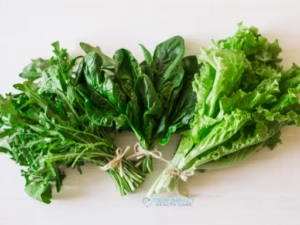
Leafy greens such as spinach, kale, collard greens, and Swiss chard are rich in fiber and plant compounds that support heart health.
Studies suggest that compounds in leafy greens may bind to cholesterol in the digestive system, helping the body excrete it more efficiently. Regular consumption of dark leafy greens has been associated with lower LDL cholesterol levels and a reduced risk of cardiovascular disease.
Related Posts:


Examples include:
-
Spinach
-
Kale
-
Collard greens
-
Swiss chard
2. Vegetables
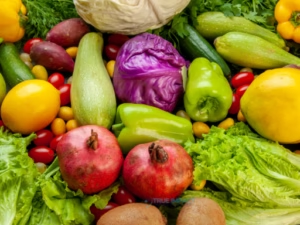
Vegetables are packed with vitamins, minerals, antioxidants, and dietary fiber. Diets rich in vegetables are consistently associated with lower total cholesterol and improved heart health.
Research shows that eating more than three servings of vegetables and fruits per day may significantly reduce LDL cholesterol levels and blood pressure, both of which are key risk factors for heart disease.
3. Berries
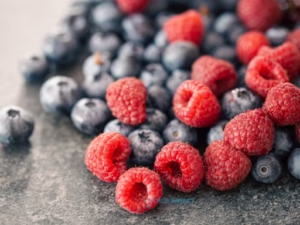
Berries including blueberries, strawberries, raspberries, and blackberries are rich in fiber and powerful antioxidants.
Regular berry consumption has been linked to lower LDL cholesterol, reduced triglyceride levels, and improved blood pressure. Their anti-inflammatory properties may also protect blood vessels and improve overall heart function.
4. Apples

Apples are an excellent source of soluble fiber, particularly pectin, which helps lower cholesterol by binding to it in the digestive tract.
Research indicates that eating apples regularly may lower total cholesterol, LDL cholesterol, and blood pressure, while also reducing inflammation.
5. Whole Grains
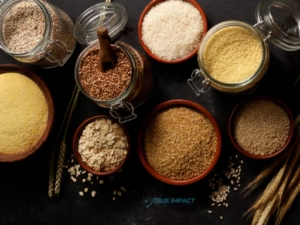
Whole grains such as oats, barley, brown rice, and quinoa are essential components of a heart-healthy diet.
Oats are especially beneficial because they contain beta-glucan, a type of soluble fiber known to lower LDL cholesterol. Studies suggest that consuming three servings of whole grains daily may reduce the risk of heart disease and stroke.
Examples of whole grains include:
-
Oats
-
Barley
-
Brown rice
-
Quinoa
-
Bulgur
-
Farro
-
Popcorn
-
Wild rice
6. Legumes
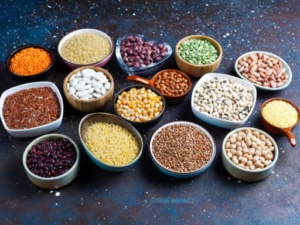
Legumes including beans, lentils, chickpeas, and peas are high in fiber and plant-based protein.
Fiber in legumes binds to cholesterol and helps remove it from the body. Research shows that regular consumption of legumes may significantly reduce LDL cholesterol and lower the risk of chronic conditions such as diabetes and obesity.
7. Nuts
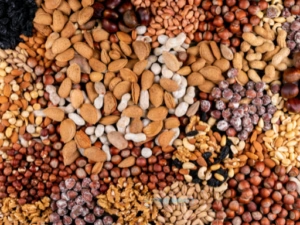
Nuts like almonds, walnuts, pistachios, and cashews are rich in fiber, unsaturated fats, and omega-3 fatty acids.
Studies indicate that eating nuts regularly may lower LDL cholesterol, total cholesterol, and triglycerides while also reducing inflammation and improving blood vessel function.
8. Oily Fish

Fatty fish such as salmon, sardines, trout, and mackerel are excellent sources of omega-3 fatty acids.
Omega-3s have been shown to increase high-density lipoprotein (HDL) cholesterol the “good” cholesterol while lowering LDL cholesterol and triglycerides. Eating oily fish regularly may also reduce the risk of heart disease, high blood pressure, and metabolic syndrome.
9. Avocados
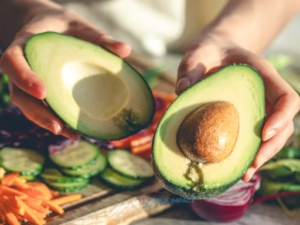
Avocados are rich in fiber and heart-healthy monounsaturated fats.
Research suggests that replacing saturated fats with avocados may help lower LDL cholesterol while increasing HDL cholesterol. Avocados are easy to add to salads, grain bowls, smoothies, and sandwiches.
10. Olive Oil
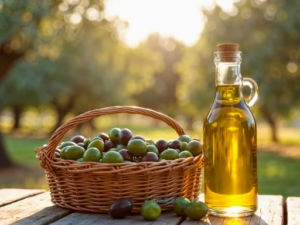
Olive oil is a cornerstone of the Mediterranean diet, which is associated with lower rates of heart disease.
It contains monounsaturated fats and antioxidants called polyphenols that help lower LDL cholesterol, increase HDL cholesterol, and reduce inflammation. Extra virgin olive oil offers the highest concentration of these beneficial compounds.
11. Chia Seeds
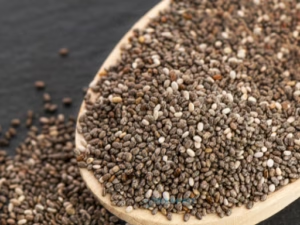
Chia seeds are rich in fiber and polyunsaturated fatty acids.
Research shows that consuming chia seeds may lower total cholesterol and LDL cholesterol, while potentially increasing HDL cholesterol. They are easy to add to smoothies, oatmeal, yogurt, or baked goods.
12. Dark Chocolate

Dark chocolate and cocoa contain antioxidants known as flavonoids.
Moderate consumption of dark chocolate (with high cocoa content) has been linked to lower LDL cholesterol and increased HDL cholesterol. These antioxidants may also help reduce inflammation and improve blood vessel health.
13. Garlic
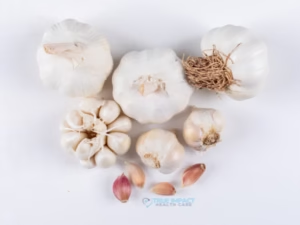
Garlic contains bioactive compounds that may help improve cholesterol levels.
Some studies suggest that consuming garlic or garlic supplements may lower LDL cholesterol, particularly when taken in concentrated extract form. Always consult a healthcare provider before starting supplements.
14. Flaxseed
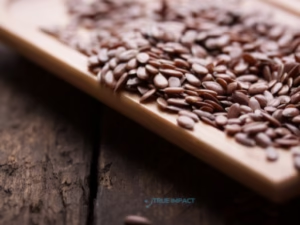
Flaxseeds are high in soluble fiber and omega-3 fatty acids.
Research indicates that consuming flaxseed may lower total cholesterol, LDL cholesterol, and blood lipid levels while supporting heart health. Ground flaxseed is easier for the body to digest and absorb.
Foods to Limit If You Have High Cholesterol
Diet plays a significant role in cholesterol management. While focusing on heart-healthy foods, it’s also important to limit foods that may raise cholesterol levels.
Consider reducing intake of:
-
Added sugars: Cakes, cookies, sugary drinks
-
Fried foods: French fries, fried chicken
-
Processed foods: Packaged snacks, chips
-
Red meat: Beef and pork, which are high in saturated fat
Lifestyle Tips for Lowering Cholesterol
In addition to dietary changes, lifestyle habits play a critical role in managing cholesterol levels.
Helpful steps include:
-
Avoiding or quitting smoking
-
Drinking alcohol only in moderation
-
Engaging in at least 150 minutes of moderate physical activity per week
-
Maintaining a healthy body weight
-
Getting at least seven hours of sleep each night
Understanding your family medical history and discussing cholesterol concerns with a healthcare provider can also help you manage long-term heart health effectively.
Final Note
A heart-healthy diet rich in whole, plant-based foods combined with healthy lifestyle choices can significantly improve cholesterol levels and reduce the risk of cardiovascular disease over time.












2 Responses