Introduction
Relationship anxiety is a form of emotional distress that arises when fear, uncertainty, or insecurity begins to shape how a person thinks and feels within a romantic relationship. It can appear in new relationships, long term partnerships, or even during periods when the relationship itself is relatively stable. In many cases, the anxiety is not solely about the partner. It is also connected to personal fears of rejection, abandonment, not being good enough, being betrayed, or losing emotional security.
- Identify the deeper fear beneath surface worry, such as abandonment or not being enough, to target the real issue.
- Separate observable facts from anxiety stories by asking what happened, what you assume, what evidence exists, and other explanations.
- Build emotional security through self soothing, routines, friendships, hobbies, and nervous system regulation to reduce dependence on constant reassurance.
- Communicate calmly and honestly about needs instead of reacting, set clear boundaries, and consider therapy when anxiety is persistent.
This experience can be deeply confusing because love and anxiety may begin to coexist. A person may care deeply for their partner while also feeling constantly worried, overthinking conversations, questioning the future, or seeking repeated reassurance. Over time, this pattern can affect emotional health, communication quality, trust, and relationship satisfaction.
The important point is that relationship anxiety does not automatically mean the relationship is wrong or doomed. In many cases, it reflects deeper emotional patterns that can be understood and managed. With self awareness, honest communication, healthy boundaries, and intentional coping strategies, it is possible to reduce anxiety and build a more secure and stable connection.
This article explains relationship anxiety in detail, including what it is, why it happens, the signs to watch for, how it affects relationships, and practical ways to handle it in a healthy and constructive manner.
What Is Relationship Anxiety?
Relationship anxiety refers to persistent worry, fear, tension, or emotional unease related to a romantic relationship. It often involves excessive concern about the partner’s feelings, the stability of the relationship, the future of the connection, or one’s own value within the relationship.
This anxiety can take many forms. Some people constantly wonder whether their partner truly loves them. Others fear that one mistake will ruin the relationship. Some become preoccupied with whether the relationship is “perfect enough,” while others feel distressed when their partner needs space or does not respond immediately to messages.
At its core, relationship anxiety is often driven by perceived threat. The mind starts interpreting uncertainty as danger. A delayed text may feel like rejection. A change in tone may feel like a sign that something is wrong. A disagreement may feel like the beginning of abandonment. Even when there is no objective evidence of serious trouble, the anxious mind may remain on high alert.
It is important to distinguish relationship anxiety from ordinary concern. All relationships involve occasional uncertainty, conflict, and emotional vulnerability. That is normal. Relationship anxiety becomes more significant when worry is frequent, intense, difficult to control, and disruptive to emotional wellbeing or the relationship itself.
Why Relationship Anxiety Happens
Relationship anxiety usually does not come from one single cause. It often develops through a combination of personal history, emotional habits, past experiences, and current relationship dynamics.
Fear of Abandonment
One of the most common causes of relationship anxiety is fear of abandonment. A person may worry that their partner will leave, lose interest, or emotionally withdraw. This fear can make even small changes in behavior feel threatening.
For example, if a partner seems tired, quiet, or distracted, the anxious person may assume they are no longer loved or valued. The emotional reaction is often much stronger than the situation itself because the deeper fear is not simply about that moment. It is about being left behind or emotionally rejected.
Low Self Worth
People who struggle with self esteem may find it harder to feel secure in relationships. They may believe, consciously or unconsciously, that they are not lovable enough, attractive enough, successful enough, or emotionally “enough” for their partner.
When self worth is unstable, reassurance from a partner may help temporarily, but it may not fully resolve the anxiety. The person may continue to question whether the love is real, whether it will last, or whether they will eventually be replaced by someone “better.”
Past Relationship Trauma
Previous experiences such as betrayal, cheating, emotional neglect, manipulation, ghosting, or painful breakups can create lasting emotional sensitivity. If a person has been hurt before, the mind may stay alert for signs of similar pain in the future.
This does not mean the current partner has done anything wrong. It means the nervous system may still be reacting to old wounds. A present relationship can then become the place where unresolved fear resurfaces.
Attachment Style
A person’s attachment style, which often develops through early emotional experiences, can strongly influence how they behave in adult relationships. People with anxious attachment often crave closeness but fear rejection. They may become highly sensitive to distance, inconsistency, or ambiguity.
This can lead to a cycle of needing reassurance, feeling afraid when it is not immediately available, and reacting in ways that place strain on the relationship.
Unclear Communication in the Relationship
Sometimes relationship anxiety is intensified by the actual dynamics of the relationship. If communication is inconsistent, emotionally distant, vague, or unpredictable, anxiety may increase. It is difficult to feel secure when a partner sends mixed signals, avoids important conversations, or is unreliable.
In such cases, the anxiety may not be entirely internal. It may also be a response to a relationship that lacks clarity, stability, or emotional safety.
Common Signs of Relationship Anxiety
Relationship anxiety can appear emotionally, mentally, and behaviorally. Understanding the signs is important because many people experience them without realizing that anxiety is driving the pattern.
Overthinking Everything
One of the most common signs is persistent overanalysis. A person may replay conversations, study texts for hidden meaning, or repeatedly question whether something “felt off.” This kind of mental scanning is exhausting because the mind is always searching for signs of threat.
Overthinking often creates more anxiety rather than clarity. The person may become trapped in endless interpretation, trying to gain certainty from situations that are often ordinary or ambiguous.
Constant Need for Reassurance
A person with relationship anxiety may frequently ask whether their partner still loves them, whether they are okay, or whether something is wrong. Although reassurance can be healthy in moderation, repeated reassurance seeking may become a way of managing emotional fear rather than resolving it.
The problem is that reassurance tends to work only briefly when the deeper issue remains unaddressed. The anxiety then returns, and the cycle starts again.
Fear of Conflict
Some anxious individuals become extremely distressed by disagreement. They may assume that conflict means the relationship is failing. As a result, they may avoid expressing needs, suppress emotions, or panic when tension arises.
In reality, healthy relationships can include disagreement. Anxiety, however, may interpret conflict as a sign of rejection or impending loss.
Emotional Dependency
Relationship anxiety can sometimes lead to emotional overdependence. A person may rely heavily on the relationship to feel okay, worthy, calm, or complete. When the relationship becomes the main source of emotional stability, any disturbance in it can feel overwhelming.
This can create intense pressure on both partners. The anxious person feels constantly vulnerable, while the other partner may feel responsible for regulating emotions they cannot fully control.
Monitoring a Partner’s Behavior
Another sign is heightened monitoring of communication patterns, social media activity, tone of voice, or time spent apart. The person may constantly check for signs that something has changed.
This behavior usually comes from fear rather than distrust alone. The anxious mind is trying to prevent pain by spotting danger early. However, constant monitoring often increases insecurity rather than relieving it.
How Relationship Anxiety Affects the Relationship
Relationship anxiety does not stay inside one person’s mind. Over time, it can shape how the relationship functions.
It Can Create Tension
Repeated reassurance seeking, overchecking, or reacting strongly to small uncertainties can create emotional pressure. The anxious person may feel misunderstood, while the other partner may feel scrutinized, overwhelmed, or unable to do enough.
This does not mean the anxious partner is “too much.” It means the anxiety pattern itself can become stressful if not addressed carefully.
It Can Distort Communication
When anxiety is high, conversations may become more reactive and less clear. A person may not say what they truly need. Instead, they may test their partner, withdraw, overexplain, accuse, or panic.
As a result, the real issue, which is usually fear, may become hidden beneath conflict about tone, timing, or misunderstandings.
It Can Prevent Genuine Intimacy
Real intimacy requires vulnerability, trust, and the ability to tolerate some uncertainty. Relationship anxiety often resists uncertainty and tries to force certainty instead. This may lead to controlling behaviors, emotional guarding, or clinging.
Ironically, the attempt to protect the relationship can sometimes make closeness harder because true emotional connection requires openness rather than constant defense.
It Can Lead to Self Fulfilling Patterns
Sometimes anxiety driven behaviors push the relationship into the very tension the person fears. For example, repeated panic, mistrust, or pressure may cause more distance, which then seems to confirm the anxious belief that something is wrong.
This is one reason addressing the anxiety itself is so important. Without intervention, the emotional pattern can become self reinforcing.
How to Handle Relationship Anxiety
Managing relationship anxiety requires more than trying to “stop worrying.” It involves understanding the emotional pattern, responding differently to anxious thoughts, improving communication, and building inner security.
1. Identify What You Are Actually Afraid Of
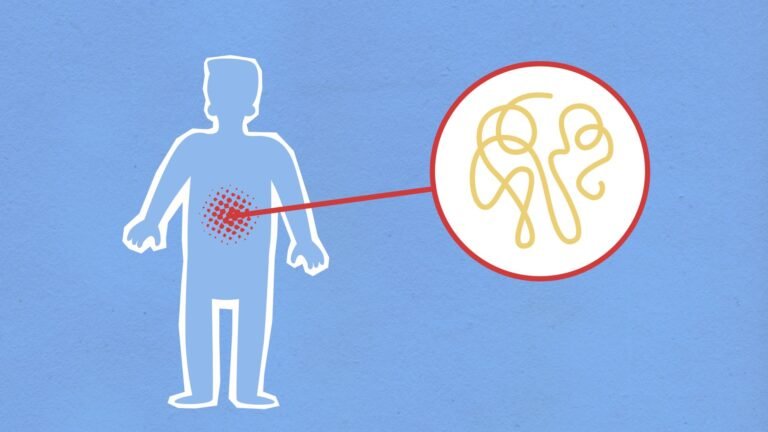
The first step is to go deeper than the surface worry. Ask what the anxiety is really saying. Is the fear about being abandoned, not being chosen, being betrayed, not being enough, losing control, or being emotionally exposed?
This matters because vague anxiety feels bigger than specific fear. Once the underlying fear is identified, it becomes easier to address. For example, “I am anxious because my partner took longer to reply” is one level. “I am afraid that if someone pulls away, it means I am not important” is the deeper level.
Naming the real fear reduces confusion and helps shift the focus from constant external monitoring to internal understanding.
2. Separate Facts From Anxiety Stories
Anxiety often creates stories that feel convincing but are not necessarily true. A partner being busy can become “They are losing interest.” A shorter message can become “They are emotionally withdrawing.” A need for space can become “They are preparing to leave.”
Learning to separate observable facts from anxious interpretation is one of the most powerful skills in managing relationship anxiety.
A helpful approach is to ask:
- What actually happened?
- What am I assuming?
- What evidence do I have?
- Is there another possible explanation?
This does not mean dismissing all concerns. It means refusing to let fear automatically define reality.
3. Build Emotional Security Within Yourself
Relationship anxiety often becomes stronger when emotional stability depends too heavily on the other person. Building internal security helps reduce this intensity.
This includes maintaining a life outside the relationship, such as friendships, goals, hobbies, spiritual practices, rest, and routines that support emotional wellbeing. It also includes learning to soothe yourself when anxiety rises instead of depending solely on immediate reassurance.
Self soothing may include journaling, slow breathing, grounding exercises, going for a walk, speaking kindly to yourself, or reminding yourself that uncertainty does not automatically mean danger.
The more secure a person becomes within themselves, the less every relational fluctuation feels like a crisis.
4. Communicate Honestly Rather Than Reactively
Relationship anxiety becomes harder to manage when fears are expressed through panic, accusation, passive aggression, or silence. Healthy communication involves speaking honestly and calmly about what is being felt.
For example, instead of saying, “You never care about me,” it is more constructive to say, “I noticed I felt anxious when we did not talk much today, and I think I need a little clarity.”
This approach reduces defensiveness and allows the partner to understand the emotional need beneath the reaction. It also creates a space where the relationship can respond to fear with connection rather than conflict.
5. Stop Using Tests to Measure Love
Anxious people sometimes create unconscious “tests” to see whether their partner truly cares. They may pull away to see if the partner chases, stay silent to see if the partner notices, or create emotionally loaded situations to measure loyalty.
These tests usually come from fear, but they often damage trust and make communication less direct. Healthy relationships grow through honesty, not hidden examinations.
If a need exists, it is usually better to express it clearly than to create a scenario designed to force proof.
6. Learn to Tolerate Uncertainty
One of the hardest but most important parts of handling relationship anxiety is accepting that love always involves some uncertainty. No relationship can provide perfect emotional certainty at every moment. Human beings have moods, responsibilities, limitations, and imperfections.
Trying to eliminate all uncertainty usually makes anxiety worse. Growth comes from learning that uncertainty is uncomfortable, but not always dangerous.
This means developing the capacity to pause, breathe, and wait before reacting. It means allowing space for your partner to be human without immediately assuming threat. It also means understanding that healthy love includes trust, not constant proof.
7. Notice and Change Repetitive Patterns
It helps to look at the repeated cycle of anxiety in the relationship. For example:
- You feel uncertain
- You overthink
- You seek reassurance
- You feel temporary relief
- Anxiety returns
- The cycle repeats
Seeing the pattern clearly allows you to intervene earlier. Instead of moving automatically from fear to reaction, you can stop at the stage of uncertainty and choose a healthier response.
Pattern awareness is powerful because many anxious behaviors become automatic over time. Once recognized, they can be changed.
8. Strengthen Trust Through Consistency
Trust is not built only through words. It is built through repeated experiences of reliability, honesty, and emotional safety. If both partners want to reduce anxiety in the relationship, consistency matters.
This may include following through on commitments, being honest about feelings, maintaining respectful communication, and avoiding mixed signals. For the anxious partner, it also includes becoming more consistent in self regulation and less driven by emotional extremes.
Trust deepens when both people become more predictable in healthy ways.
9. Set Healthy Boundaries
Handling relationship anxiety does not mean tolerating unhealthy behavior. Sometimes what appears to be anxiety is actually a response to a relationship that lacks emotional safety. If a partner is manipulative, dishonest, dismissive, or chronically inconsistent, anxiety may be a signal that something genuinely needs attention.
Healthy boundaries involve recognizing what is acceptable, what is not, and what you need in order to feel respected. Boundaries are not threats. They are clear standards that protect emotional wellbeing.
It is important to ask whether the anxiety is coming mainly from internal fear, from external instability, or from both. That distinction matters.
10. Consider Professional Support
If relationship anxiety is persistent, intense, or linked to trauma, counseling can be very helpful. Therapy can help a person identify attachment wounds, challenge anxious thought patterns, regulate emotions, and build healthier relational habits.
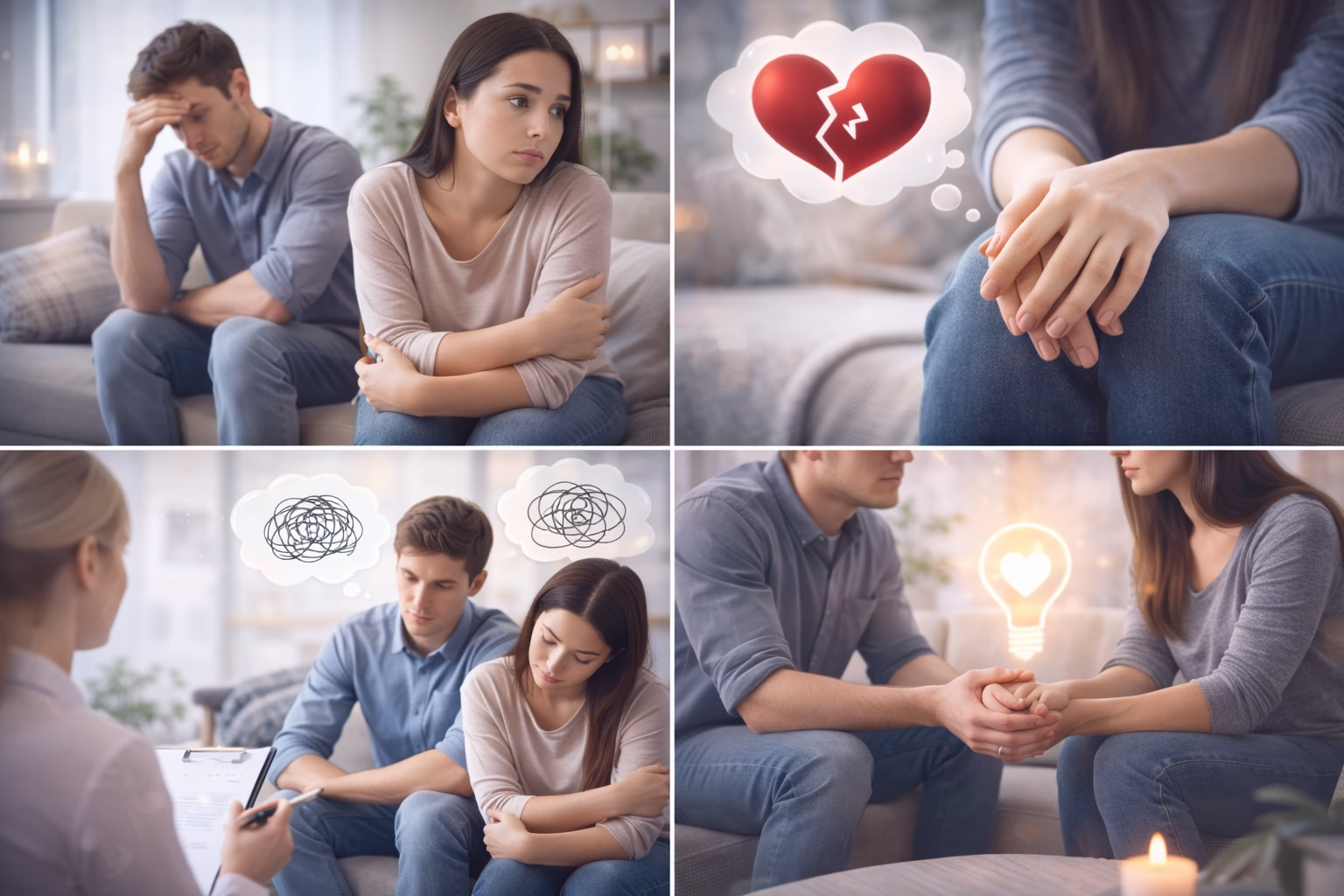
Couples counseling may also be helpful when anxiety has begun to affect communication or trust. Professional support is not a sign of failure. It is a way of understanding the pattern more deeply and responding to it more effectively.
Practical Daily Habits That Help Reduce Relationship Anxiety
Journal Your Triggers
Writing down moments of anxiety can reveal patterns. You may notice that certain situations, such as delayed replies, social comparison, lack of plans, or emotional distance, trigger fear more intensely. Journaling helps move anxiety from vague emotion into observable information.
Avoid Constant Checking
Repeatedly checking texts, online status, or social media usually feeds anxiety rather than resolving it. Reducing checking behavior can feel uncomfortable at first, but it helps break the cycle of hypervigilance.
Maintain Your Own Identity
A healthy relationship should add to your life, not replace your entire emotional structure. Continue investing in your own growth, friendships, interests, and purpose. This reduces emotional overdependence and supports a more balanced connection.
Practice Nervous System Regulation
Relationship anxiety is not only a thinking problem. It is also a body based stress response. Practices such as deep breathing, exercise, stretching, prayer, mindfulness, and proper sleep can help calm the nervous system and reduce emotional reactivity.
Speak to Yourself With Compassion
Many anxious individuals are harsh with themselves. They feel ashamed of being needy, sensitive, or afraid. Self criticism usually worsens anxiety. A more helpful approach is compassionate honesty: “I am feeling triggered right now. That does not make me broken. It means something in me needs care and understanding.”
How Partners Can Support Someone With Relationship Anxiety
If one partner struggles with relationship anxiety, the other partner can play a helpful role without becoming solely responsible for fixing it.
Supportive actions may include:
- being clear rather than vague
- communicating consistently
- responding with empathy instead of mockery
- listening without immediate defensiveness
- reassuring when appropriate while encouraging self regulation
- being honest about personal limits and needs
At the same time, the anxious partner must also take responsibility for their healing. A healthy relationship involves support, not emotional rescue.
When Relationship Anxiety May Be Signaling a Deeper Problem
Not all anxiety should be immediately reduced or dismissed. Sometimes anxiety is pointing to a real issue. For example, if a partner is frequently dishonest, emotionally unavailable, disrespectful, unpredictable, or controlling, the anxiety may be a valid response to instability.
In that case, the solution is not simply to become calmer. It may involve addressing unhealthy dynamics, setting stronger boundaries, or reevaluating the relationship itself.
This is why self honesty is essential. Relationship anxiety can come from old wounds, present red flags, or a combination of both.
Conclusion
Relationship anxiety can be painful because it affects one of the most emotionally important areas of life, the desire to love and be loved securely. It can lead to overthinking, reassurance seeking, fear of conflict, emotional dependence, and constant doubt. Yet it does not have to define the relationship or the person experiencing it.
Healing begins with understanding. When a person learns to identify deeper fears, separate facts from anxious assumptions, communicate honestly, regulate emotions, and build inner security, the anxiety begins to lose its control. Relationships become healthier when both partners can respond to fear with clarity, consistency, and compassion.
The goal is not to become emotionless or never need reassurance. The goal is to develop a more secure way of loving, one that allows closeness without constant panic and vulnerability without losing oneself.
With patience, self awareness, and healthy effort, relationship anxiety can be managed, and in many cases, transformed into an opportunity for deeper emotional growth.