
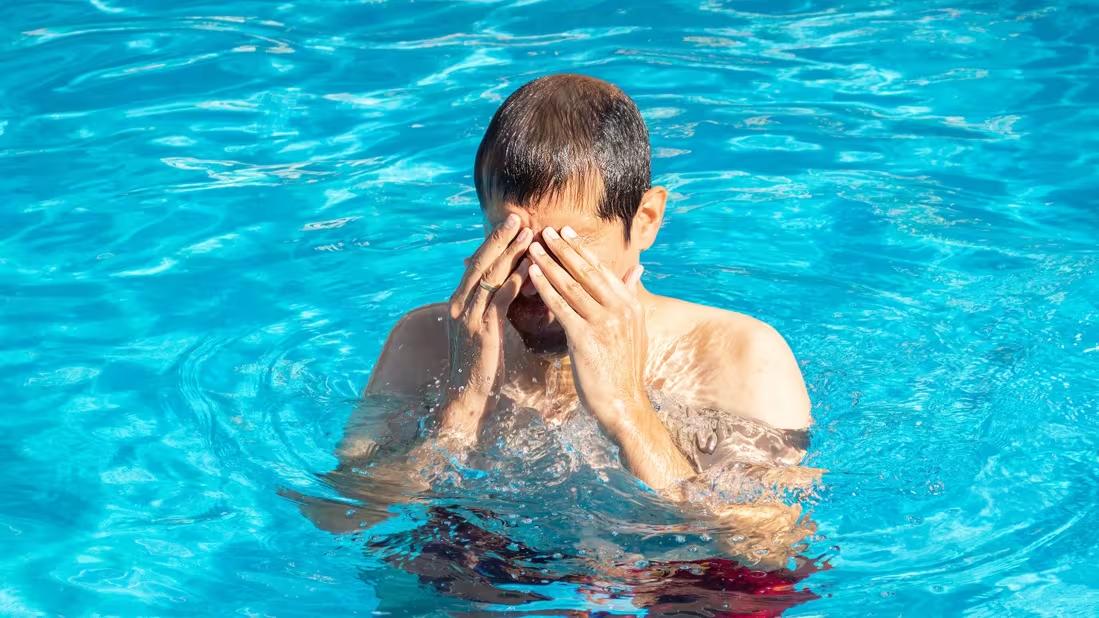
Chlorine is widely used in everyday life for water disinfection, sanitation, and industrial processes. It is commonly found in swimming pools, household cleaning products, and municipal water systems. While chlorine is highly effective in killing harmful microorganisms, excessive exposure can be toxic to the human body.
- Respiratory signs: persistent cough, throat irritation, shortness of breath, chest tightness, or wheezing indicate airway and lung injury from chlorine exposure.
- Other symptoms: red burning eyes, blurred vision, skin redness or burns, nausea, vomiting, abdominal pain, headache, dizziness, or confusion.
- Immediate actions: leave the area, get fresh air, rinse skin or eyes with running water for 10 to 15 minutes, remove contaminated clothing.
- Seek urgent medical care for severe signs or persistent symptoms; treatment may include oxygen, bronchodilators, corticosteroids, IV fluids, and hospital monitoring.
Chlorine poisoning occurs when chlorine gas is inhaled, ingested, or comes into direct contact with the skin or eyes in harmful concentrations. The severity of poisoning depends on the level and duration of exposure, as well as the individual’s overall health. Understanding how to recognize the signs of chlorine poisoning and respond appropriately is essential, as early intervention can prevent serious complications.
What Is Chlorine Poisoning?
Chlorine poisoning refers to the harmful effects that occur when chlorine enters the body in excessive amounts. Chlorine is a highly reactive chemical, and when it comes into contact with moisture in the body, particularly in the respiratory tract, it forms acids that can damage tissues.
There are three primary routes of exposure:
- Inhalation: Breathing in chlorine gas, which is the most dangerous form of exposure
- Ingestion: Swallowing chlorine containing liquids, such as improperly stored cleaning agents
- Skin or eye contact: Direct exposure leading to irritation or chemical burns
Inhalation exposure is particularly concerning because chlorine gas can rapidly affect the lungs and airways.
Common Sources of Exposure
Understanding where chlorine exposure occurs helps individuals identify potential risks.
Related Posts:



- Swimming pools: High chlorine levels, especially in poorly ventilated indoor pools
- Household cleaning products: Mixing bleach with ammonia or acids can release chlorine gas
- Industrial settings: Chemical plants, water treatment facilities, and manufacturing environments
- Accidental spills or leaks: Improper storage or handling of chlorine products
A particularly dangerous situation arises when bleach is mixed with other cleaning agents, producing toxic gases that can be inhaled unknowingly.
How to Tell If You Have Chlorine Poisoning
The symptoms of chlorine poisoning can vary depending on the type and intensity of exposure. They may appear immediately or develop gradually.
1. Respiratory Symptoms
The respiratory system is the most commonly affected.
- Coughing and throat irritation: Chlorine irritates the lining of the airways, leading to persistent coughing
- Shortness of breath: Inflammation in the lungs can make breathing difficult
- Chest tightness: A feeling of pressure or discomfort in the chest
- Wheezing: A high pitched sound when breathing due to narrowed airways
These symptoms indicate that chlorine gas has affected the lungs and should be taken seriously.
2. Eye and Skin Irritation
Chlorine is corrosive and can damage exposed tissues.
- Red, burning eyes: Caused by irritation of the conjunctiva
- Blurred vision or tearing: The eyes may produce excessive tears to flush out the irritant
- Skin redness or burns: Direct contact can lead to irritation or chemical burns
Prolonged exposure can worsen these symptoms and lead to more severe damage.
3. Gastrointestinal Symptoms
If chlorine is ingested, it can irritate the digestive tract.
- Nausea and vomiting: The body attempts to expel the toxic substance
- Abdominal pain: Caused by irritation of the stomach lining
- Burning sensation in the mouth or throat: Indicates chemical injury
These symptoms require immediate medical attention, especially in children.
4. Neurological and General Symptoms
In more severe cases, chlorine poisoning may affect overall body function.
- Headache and dizziness: Due to reduced oxygen levels or chemical irritation
- Fatigue or weakness: The body’s response to stress and inflammation
- Confusion or fainting: Indicates more serious exposure affecting oxygen supply
These signs suggest that the poisoning may be progressing and require urgent care.
Severe Warning Signs
Certain symptoms indicate a medical emergency and should never be ignored.
- Severe difficulty breathing or gasping for air
- Persistent chest pain
- Bluish lips or skin (a sign of low oxygen levels)
- Loss of consciousness
- Severe eye damage or vision loss
If any of these occur, immediate emergency medical assistance is required.
How Chlorine Affects the Body
Chlorine’s toxicity is primarily due to its reaction with water in the body.
When inhaled, chlorine reacts with moisture in the respiratory tract to form hydrochloric acid and hypochlorous acid. These substances damage the lining of the airways and lungs, leading to inflammation, swelling, and impaired oxygen exchange.
In the eyes and skin, chlorine disrupts protective barriers, causing irritation or burns. In the digestive system, ingestion leads to chemical injury of the mucosal lining.
The extent of damage depends on exposure concentration and duration. Short exposures may cause irritation, while prolonged or high level exposure can lead to serious complications such as lung injury.
How to Treat Chlorine Poisoning
Treatment depends on the type and severity of exposure, but immediate action is crucial.
1. Remove Yourself from the Source
The first and most important step is to move away from the chlorine source immediately. Fresh air reduces further exposure and allows the body to begin recovery.
If exposure occurs indoors, leave the area and ensure proper ventilation.
2. Seek Fresh Air and Oxygen
Breathing clean air helps reduce irritation in the lungs. In medical settings, oxygen therapy may be administered to improve oxygen levels.
3. Rinse Affected Areas
If chlorine has contacted the skin or eyes:
- Rinse the affected area with clean, running water for at least 10 to 15 minutes
- Remove contaminated clothing to prevent further exposure
For eye exposure, continuous rinsing is essential to minimize damage.
4. Do Not Induce Vomiting
If chlorine is ingested, do not attempt to induce vomiting, as this can cause additional damage to the throat and esophagus.
Instead, seek immediate medical care.
5. Medical Treatment
Healthcare providers may administer:
- Bronchodilators: To open airways and improve breathing
- Corticosteroids: To reduce inflammation
- Intravenous fluids: To maintain hydration
- Monitoring and supportive care: Especially in severe cases
Hospitalization may be required for individuals with significant respiratory distress or complications.
When to Seek Medical Help
Medical evaluation is necessary if:
- Symptoms persist or worsen after exposure
- There is difficulty breathing or chest discomfort
- Eye or skin irritation is severe
- Chlorine has been ingested
Early medical intervention can prevent long term complications and ensure proper recovery.
Prevention Strategies
Preventing chlorine poisoning involves careful handling and awareness.
- Never mix cleaning products, especially bleach with ammonia or acids
- Use chlorine products in well ventilated areas
- Follow safety instructions on product labels
- Store chemicals safely away from children
- Ensure proper pool maintenance and ventilation
These measures significantly reduce the risk of accidental exposure.
Conclusion
Chlorine poisoning is a serious but preventable condition. Recognizing early symptoms such as coughing, eye irritation, or breathing difficulty allows for prompt action. Immediate removal from exposure, proper rinsing, and timely medical care are essential steps in managing the condition.
Understanding both the risks and the correct response ensures that individuals can protect themselves and others from the harmful effects of chlorine exposure. Early awareness and preventive practices remain the most effective strategies for maintaining safety in environments where chlorine is commonly used.