

Introduction
Climbing to high elevations can be exhilarating, towering vistas, crisp mountain air, and the thrill of adventure. But for many adventurers, altitude sickness (also known as acute mountain sickness or AMS) can quickly turn a dream trek into a miserable ordeal. Symptoms range from headaches and nausea to fatigue and dizziness, and in severe cases, life-threatening complications like high-altitude pulmonary edema (HAPE) or cerebral edema (HACE) can develop. While gradual acclimatization and proper hydration are cornerstones of prevention, certain medications can be powerful allies in keeping you safe and comfortable at altitude. In this post, we’ll explore five key medications to help prevent or treat altitude sickness so you can focus on the view instead of the headache.
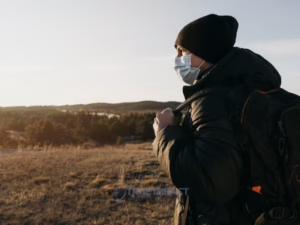
Understanding Altitude Sickness
Before diving into medications, it helps to know why altitude affects us:
• Lower oxygen pressure at higher elevations reduces the oxygen your lungs absorb.
• Your body must adjust by increasing breathing rate and making more red blood cells.
• Rapid ascent can outpace your body’s ability to acclimatize, leading to AMS.
Common symptoms of AMS:
• Headache
• Nausea or vomiting
• Dizziness or lightheadedness
• Fatigue
• Difficulty sleeping
Why Medications Matter
Non-pharmacological strategies (gradual ascent, rest days, hydration) remain critical, but medications can:
• Speed up acclimatization
• Relieve uncomfortable symptoms
• Prevent progression to severe illness
Top 5 Medications for Altitude Sickness
- Acetazolamide (Diamox)
Mechanism of Action
• A carbonic anhydrase inhibitor that stimulates breathing by causing mild metabolic acidosis.
• Improves oxygenation and accelerates acclimatization.
Dosage and Timing
• Typical dose: 125 mg twice daily, starting 24–48 hours before ascent and continuing for 2–3 days at target elevation.
• Over-the-counter in some countries; prescription in others.
Side Effects to Watch
• Tingling in fingers and toes
• Increased urination
• Taste alteration (carbonated beverages may taste flat)
- Dexamethasone
Mechanism of Action
• A potent corticosteroid that reduces inflammation in the brain.
• Effective for both prevention and treatment of moderate to severe AMS and HACE.
Dosage and Timing
• Prevention: 4 mg every 12 hours, starting the day before ascent.
• Treatment: 4 mg every 6 hours until descent.
Side Effects to Watch
• Mood changes or irritability
• Increased blood sugar
• Sleep disturbances
- Nifedipine
Mechanism of Action
• A calcium channel blocker that lowers pulmonary artery pressure.
• Particularly useful in preventing and treating HAPE.
Dosage and Timing
• Extended-release formulation: 20 mg every 8–12 hours.
• Start at first signs of HAPE or as a preventive in high-risk individuals.
Side Effects to Watch
• Flushing or headache
• Swelling of ankles
• Low blood pressure
- Tadalafil (and Other PDE-5 Inhibitors)
Mechanism of Action
• Phosphodiesterase-5 inhibitors (like tadalafil) dilate pulmonary vessels, improving oxygen uptake.
Dosage and Timing
• Tadalafil 10 mg once daily, started 1 day before ascent and continued at altitude.
• Consult your doctor for individual risk assessment.
Side Effects to Watch
• Headache or flushing
• Indigestion
• Muscle aches
- Ibuprofen (and Other Nonsteroidal Anti-Inflammatories)
Mechanism of Action
• Reduces inflammation and relieves headache and muscle pain associated with AMS.
Dosage and Timing
• 400–600 mg every 6–8 hours as needed for headache relief.
Side Effects to Watch
• Stomach irritation (take with food)
• Kidney stress (maintain good hydration)
Additional Tips for a Smooth Ascent
• Gradual Ascent: Aim to sleep no more than 300–500 meters higher each night above 3,000 m.
• Hydration and Nutrition: Drink plenty of water and eat balanced meals.
• Rest Days: Incorporate “climb high, sleep low” and take rest days every 3–4 days.
• Monitor Symptoms: Keep a log of headache severity, nausea, and fatigue. Descend if symptoms worsen.
Conclusion
Altitude sickness doesn’t have to spell disaster for your high-elevation adventures. By combining sound acclimatization practices with targeted medications such as acetazolamide for faster adaptation, dexamethasone for severe symptoms, nifedipine or tadalafil for pulmonary protection, and ibuprofen for symptom relief, you’ll significantly reduce your risk of AMS, HAPE, and HACE. Always consult a healthcare professional before starting any altitude medication, especially if you have underlying health conditions. With the right preparation and medical support, you can conquer those peaks confidently and safely, so go ahead, plan that mountain getaway, and breathe easy at altitude!









One Response