

Eating healthy doesn’t have to be complicated or time-consuming. One of the simplest ways to stay on track is by keeping the right staple foods in your kitchen. Staples are versatile, nutritious items that can be mixed and matched to create balanced meals throughout the week, without stress.
Whether you’re meal prepping, cooking for your family, or trying to improve your diet, these 15 staple foods make healthy eating easier, more affordable, and more sustainable.
1. Oats

Oats are a nutrient-dense whole grain rich in fiber, especially beta-glucan, which supports heart health and digestion. They’re perfect for breakfast, baking, or even savory meals.
Easy uses: Oatmeal, overnight oats, smoothies, healthy pancakes
2. Brown Rice
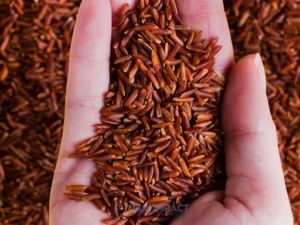
Brown rice is a complex carbohydrate that provides long-lasting energy and important minerals like magnesium and selenium.
Easy uses: Stir-fries, grain bowls, side dishes, meal prep lunches
3. Quinoa

Quinoa is a complete plant protein containing all nine essential amino acids. It’s also gluten-free and easy to cook.
Easy uses: Salads, bowls, soups, breakfast porridge
4. Eggs
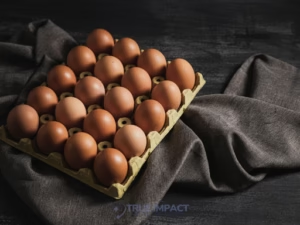
Eggs are one of the most affordable and versatile sources of high-quality protein. They also provide vitamin D, choline, and healthy fats.
Easy uses: Boiled, scrambled, omelets, salads
5. Greek Yogurt

Greek yogurt is high in protein and probiotics, which support gut health. Choose plain, unsweetened varieties for maximum benefits.
Easy uses: Breakfast bowls, smoothies, sauces, healthy dips
6. Canned Beans (Black, Chickpeas, Lentils)
Beans are rich in fiber, plant protein, and essential minerals. Canned versions save time and last long in the pantry.
Easy uses: Salads, soups, stews, wraps, veggie burgers
7. Frozen Vegetables
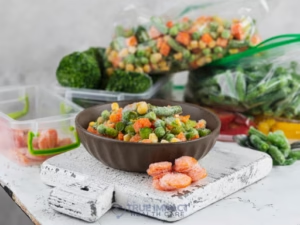
Frozen vegetables are just as nutritious as fresh and often more convenient. They reduce food waste and are ready to use anytime.
Easy uses: Stir-fries, soups, casseroles, quick sides
8. Leafy Greens (Spinach, Kale)
Leafy greens are packed with vitamins A, C, K, iron, and antioxidants that support overall health.
Easy uses: Salads, smoothies, sautés, omelets
9. Sweet Potatoes

Sweet potatoes are rich in fiber, beta-carotene, and complex carbohydrates that help keep you full.
Easy uses: Roasted sides, mashed, soups, breakfast bowls
10. Olive Oil

Extra virgin olive oil is a heart-healthy fat rich in antioxidants and anti-inflammatory compounds.
Easy uses: Cooking, salad dressings, roasting vegetables
11. Nuts and Seeds
Almonds, walnuts, chia seeds, and flaxseeds provide healthy fats, protein, and fiber.
Easy uses: Snacks, smoothies, oatmeal toppings, salads
12. Canned Fish (Tuna, Salmon, Sardines)

Canned fish is an affordable source of omega-3 fatty acids, which support heart and brain health.
Easy uses: Sandwiches, salads, pasta dishes, grain bowls
13. Whole-Grain Bread
Whole-grain bread contains more fiber and nutrients than refined bread, helping regulate blood sugar levels.
Easy uses: Toast, sandwiches, avocado toast
14. Garlic and Onions
These flavor essentials also offer immune-boosting and anti-inflammatory benefits.
Easy uses: Almost every savory dish, soups, sauces, stir-fries
15. Herbs and Spices

Herbs and spices enhance flavor without added salt or sugar and provide powerful antioxidants.
Easy uses: Seasoning meats, vegetables, soups, marinades
Final Thoughts
Healthy eating becomes much easier when your kitchen is stocked with the right staples. These foods are nutritious, flexible, and simple to prepare—making it easier to build balanced meals all week long without feeling overwhelmed.
By focusing on whole foods, smart planning, and consistency, you can support your health while still enjoying delicious meals.