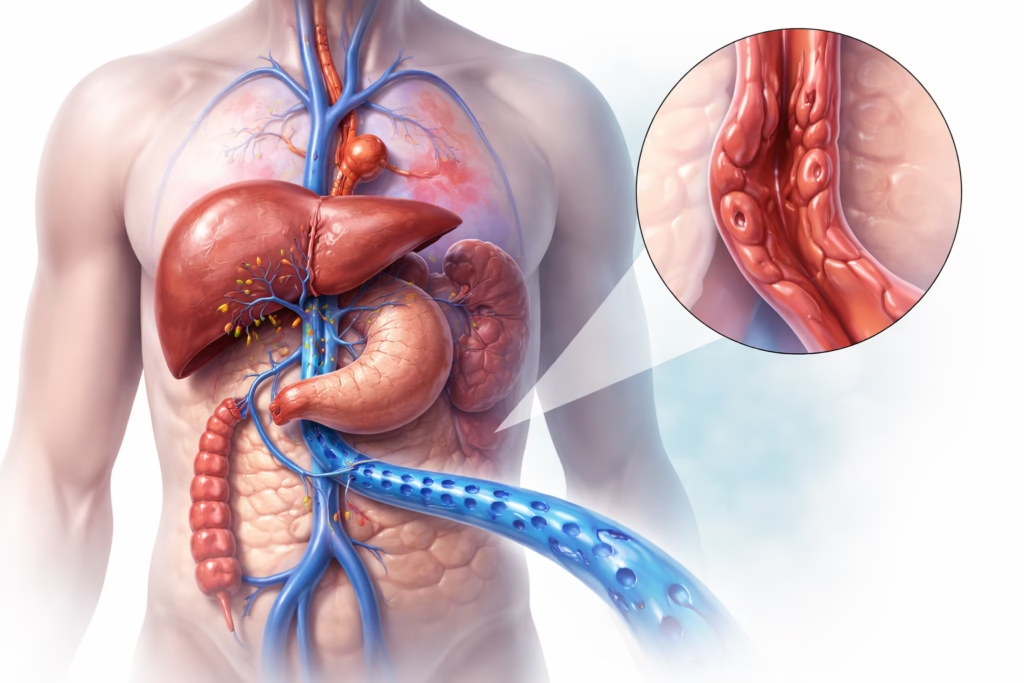

Frequent urination and excessive thirst are often perceived as minor inconveniences. However, in clinical and public health contexts, these symptoms may represent important physiological signals that the body is attempting to restore internal balance. When persistent or unexplained, they can indicate underlying metabolic, renal, or hormonal disturbances that require careful evaluation.
- Kidneys and hormones tightly regulate fluid balance; disruption alters urine production and thirst through impaired water retention and solute handling.
- High blood sugar causes glucose osmotic diuresis, increasing urine output and thirst; it is an early sign of diabetes needing prompt evaluation.
- Dehydration, renal dysfunction, UTIs, hormonal disorders, and certain medications can produce or worsen frequent urination and excessive thirst.
- Seek medical care for persistent symptoms, especially with unexplained weight loss, persistent fatigue, blurred vision, or recurrent infections.
Understanding why these symptoms occur and how they affect daily health is essential for early detection of potential conditions such as diabetes, dehydration, urinary tract disorders, or endocrine abnormalities.
Understanding the Body’s Fluid Balance
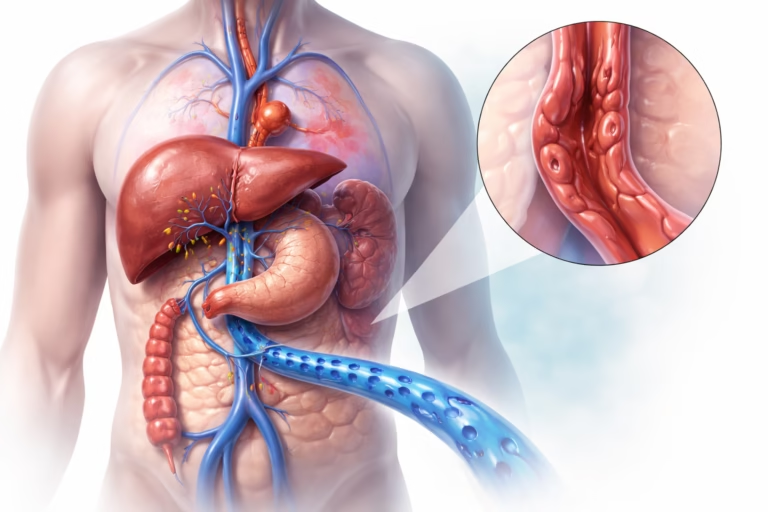
The human body maintains fluid balance through a tightly regulated system involving the kidneys, hormones, and blood circulation. The kidneys filter blood continuously, removing waste products and regulating the amount of water retained or excreted.
Hormones such as antidiuretic hormone (ADH) and aldosterone play a central role in controlling fluid levels. ADH, for example, signals the kidneys to retain water when the body is dehydrated. Conversely, when excess fluid or solutes such as glucose are present, the kidneys increase urine production to eliminate them.
Frequent urination and excessive thirst often arise when this regulatory system is disrupted.
What Is Frequent Urination?
Frequent urination refers to the need to urinate more often than usual. While normal frequency varies depending on fluid intake and individual physiology, urinating more than 7 to 8 times per day or waking multiple times at night to urinate may indicate an underlying issue.
This symptom is medically referred to as polyuria when urine volume is significantly increased.
What Is Excessive Thirst?
Excessive thirst, known as polydipsia, is characterized by a persistent and often intense desire to drink fluids, even when adequate hydration has been achieved. It is the body’s response to perceived or actual fluid loss.
Polydipsia is often closely linked to polyuria. As the body loses more fluid through urine, it signals the brain to increase fluid intake in an attempt to maintain balance.
Why These Symptoms Often Occur Together
Frequent urination and excessive thirst frequently occur simultaneously because they are part of the same physiological feedback loop.
When the body loses excess fluid through urination, it becomes relatively dehydrated. In response, the brain activates thirst mechanisms to encourage fluid intake. If the underlying cause of fluid loss persists, this cycle continues, leading to ongoing symptoms.
This interconnection is particularly evident in conditions that affect glucose regulation or kidney function.
Common Causes and Their Implications
1. High Blood Sugar (Hyperglycemia)
One of the most clinically significant causes of frequent urination and excessive thirst is elevated blood sugar. When glucose levels in the blood become too high, the kidneys attempt to remove the excess sugar through urine. This process draws additional water from the body, increasing urine output.
As fluid is lost, dehydration develops, triggering intense thirst. This combination is a hallmark early sign of diabetes or prediabetes.
In daily life, individuals may notice:
- Constant need to drink water
- Repeated trips to the bathroom
- Disrupted sleep due to nighttime urination
If left unaddressed, persistent hyperglycemia can lead to serious complications affecting the heart, kidneys, nerves, and eyes.
2. Dehydration
Dehydration occurs when fluid loss exceeds fluid intake. This may result from hot weather, excessive sweating, illness, or inadequate water consumption.
In this case:
- The body increases thirst to encourage fluid intake
- Urine may initially decrease, but if fluids are consumed rapidly, urination may increase
Mild dehydration can cause fatigue, headaches, and reduced concentration, while severe dehydration can impair circulation and organ function.
3. Kidney Function Changes
The kidneys play a central role in regulating fluid and waste balance. When kidney function is impaired, the ability to concentrate urine may be reduced, leading to increased urine production.
Conditions such as chronic kidney disease or early renal dysfunction may present with changes in urination patterns. In such cases, frequent urination may occur even without excessive fluid intake.
4. Urinary Tract Infections (UTIs)
Urinary tract infections can cause frequent urination, often accompanied by urgency and discomfort. Although UTIs do not always cause excessive thirst, the irritation of the urinary system can make a person feel the need to urinate frequently, even when the bladder is not full.
This condition may also include:
- Burning sensation during urination
- Lower abdominal discomfort
- Cloudy or strong smelling urine
Prompt treatment is necessary to prevent complications.
5. Hormonal Imbalances
Hormones regulate fluid balance in the body. Conditions such as diabetes insipidus, which involves reduced effectiveness of antidiuretic hormone, can lead to excessive urination and intense thirst.
Although less common than diabetes mellitus, this condition illustrates how hormonal disruptions can significantly affect fluid regulation.
6. Medications and Lifestyle Factors
Certain medications, particularly diuretics, increase urine production as part of their therapeutic effect. High intake of caffeine or alcohol may also stimulate urination.
In these cases, symptoms may be temporary and related to specific behaviors or treatments rather than underlying disease.
How These Symptoms Affect Daily Health
1. Sleep Disruption
Frequent nighttime urination, known as nocturia, can interrupt sleep multiple times. This reduces sleep quality and leads to daytime fatigue, reduced concentration, and lower productivity.
2. Reduced Physical Comfort
Constant thirst and the need to urinate can create ongoing discomfort. Individuals may feel unable to relax during work, travel, or social activities due to the need for frequent access to water or restrooms.
3. Impact on Productivity
Repeated interruptions for bathroom use or water intake can affect workflow and efficiency. Over time, this may influence performance in professional or academic settings.
4. Emotional and Social Effects
Persistent symptoms may lead to embarrassment, anxiety, or social withdrawal, particularly if access to facilities is limited or uncertain.
When to Seek Medical Attention
While occasional increases in thirst or urination may not be concerning, persistent or worsening symptoms should be evaluated by a healthcare professional.
Medical attention is particularly important if symptoms are accompanied by:
- Unexplained weight loss
- Persistent fatigue
- Blurred vision
- Recurrent infections
These may indicate underlying metabolic conditions such as diabetes.
To better understand potential symptoms and risks, readers may explore this internal tool: <a href=”https://trueimpacthealth.com/diabetes-symptom-checker/” title=”Diabetes Symptom Checker”>Diabetes Symptom Checker</a>.
Preventive and Management Strategies
Maintain Adequate Hydration
Drinking sufficient water throughout the day helps regulate fluid balance and supports kidney function.
Monitor Sugar Intake
Reducing excessive sugar consumption can help prevent spikes in blood glucose levels that contribute to fluid imbalance.
Limit Diuretic Substances
Moderating intake of caffeine and alcohol may reduce unnecessary fluid loss.
Regular Health Checkups
Routine screening for blood sugar and kidney function can detect early abnormalities before symptoms worsen.
Conclusion
Frequent urination and excessive thirst are not merely minor discomforts. They are important physiological signals that may indicate underlying health conditions, particularly those related to blood sugar regulation and fluid balance. Recognizing these symptoms early and understanding their implications allows for timely intervention and improved health outcomes.
Therefore, individuals experiencing persistent changes in urination or thirst should consider these signs carefully and seek appropriate evaluation to maintain both daily well being and long term health stability.