
What Causes Leg Pain and Fever in a Child?
Introduction
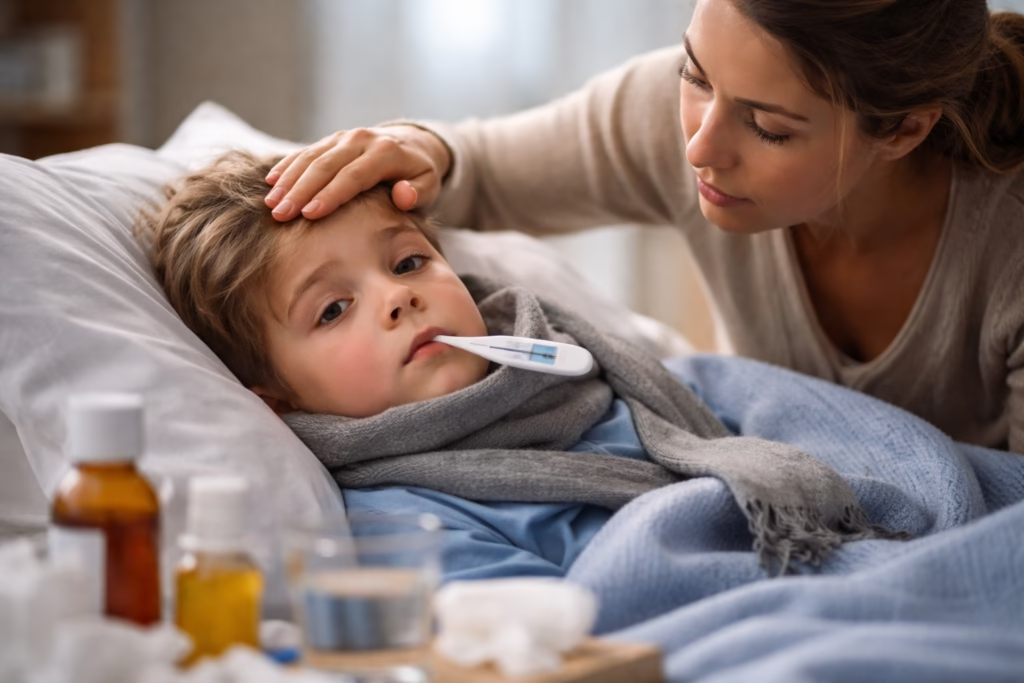
Hearing your child complain about aching legs while running a fever can be unsettling. While it may sometimes be related to something minor like a viral illness, leg pain combined with fever should never be dismissed as ordinary “growing pains.” This symptom combination can point to infections, inflammatory conditions, or musculoskeletal issues that require careful evaluation.
In this guide, we’ll examine the most common causes, warning signs to watch for, and practical steps parents can take. Whether you’re researching symptoms at home or preparing for a pediatric visit, understanding the possibilities can help you respond confidently and appropriately.
Why Leg Pain and Fever Occur Together — A Deeper Look
Fever is not an illness itself, it’s a physiological defense mechanism. When a child’s immune system detects pathogens or tissue injury, it releases signaling molecules called pyrogens (such as cytokines). These act on the brain’s temperature-regulating center (the hypothalamus), raising body temperature to:
-
Slow microbial replication
-
Enhance immune cell activity
-
Accelerate inflammatory responses
At the same time, the processes driving fever can affect muscles, joints, bones, or nerves, producing pain. Understanding the biological pathways helps explain why the two symptoms often appear together.
Mechanisms Linking Fever and Leg Pain
1. Muscle Inflammation from Infection
During viral or bacterial illness, immune chemicals circulate throughout the body. These inflammatory mediators can:
-
Increase sensitivity of pain receptors
-
Cause swelling in muscle tissue
-
Trigger breakdown of muscle proteins (in some infections)
This produces the familiar “body aches” children report during flu-like illnesses, often felt strongly in the legs because they contain large muscle groups heavily used during daily activity.
2. Joint or Bone Involvemen
Some pathogens or inflammatory reactions specifically affect deeper structures:
-
Joint inflammation: Leads to stiffness and pain during movement
-
Bone infection or irritation: Produces localized, persistent pain
-
Synovial fluid changes: Increase pressure and discomfort inside joints
Because joints and bones contain rich nerve supply, even mild inflammation can cause noticeable discomfort — often accompanied by fever signaling systemic immune activation.
3. Immune System Reactions Affecting Tissues
Not all pain stems directly from infection. Sometimes the immune system continues reacting after the initial illness:
-
Antibodies or immune cells may target joint tissue
-
Cytokines sustain inflammation
-
Fluid accumulation occurs around joints
This immune-driven inflammation explains conditions like reactive arthritis or autoimmune disorders where fever and pain coexist even without active infection.
4. Injury or Strain Occurring Alongside Illness
Children don’t always slow down when unwell. Minor injury or overuse may coincide with illness, and inflammation from trauma can:
-
Elevate localized temperature
-
Activate immune responses
-
Slightly raise body temperature
Distinguishing between coincidence and causation requires careful observation, especially if pain is localized rather than generalized.
Why These Combined Symptoms Matter Clinically
The pattern, location, and timing of symptoms provide important diagnostic information:
| Symptom Pattern | Possible Implication |
|---|---|
| Generalized aching with mild fever | Viral illness |
| Localized severe pain with high fever | Possible bacterial infection |
| Pain weeks after illness | Immune reaction |
| Night pain without fever | Likely benign growing pains |
This is why healthcare providers evaluate symptom combinations rather than individual complaints — they help narrow diagnostic possibilities.
Expanded Overview of Common Infectious Causes
When leg pain and fever occur together in children, infection is one of the most common underlying drivers. These infections broadly fall into two physiological categories:
-
Viral infections — typically systemic and diffuse
-
Bacterial infections — often localized and potentially more severe
Understanding how each operates helps parents and clinicians interpret symptom patterns more accurately.
Viral Infections — Systemic Immune Activation
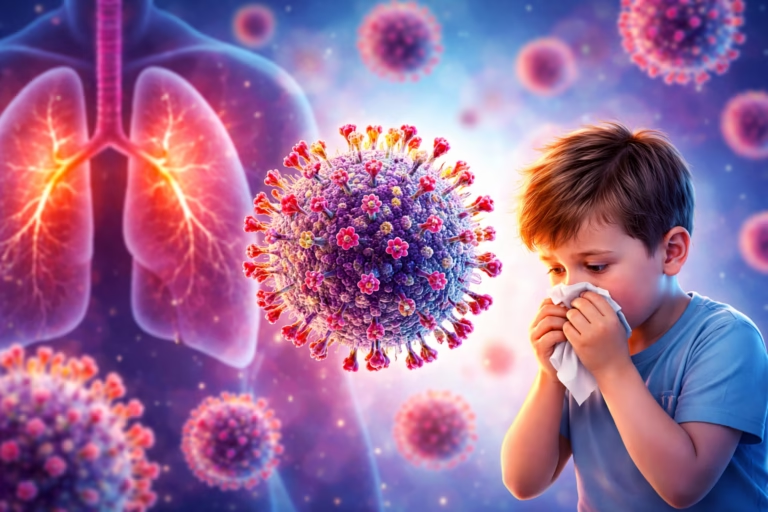
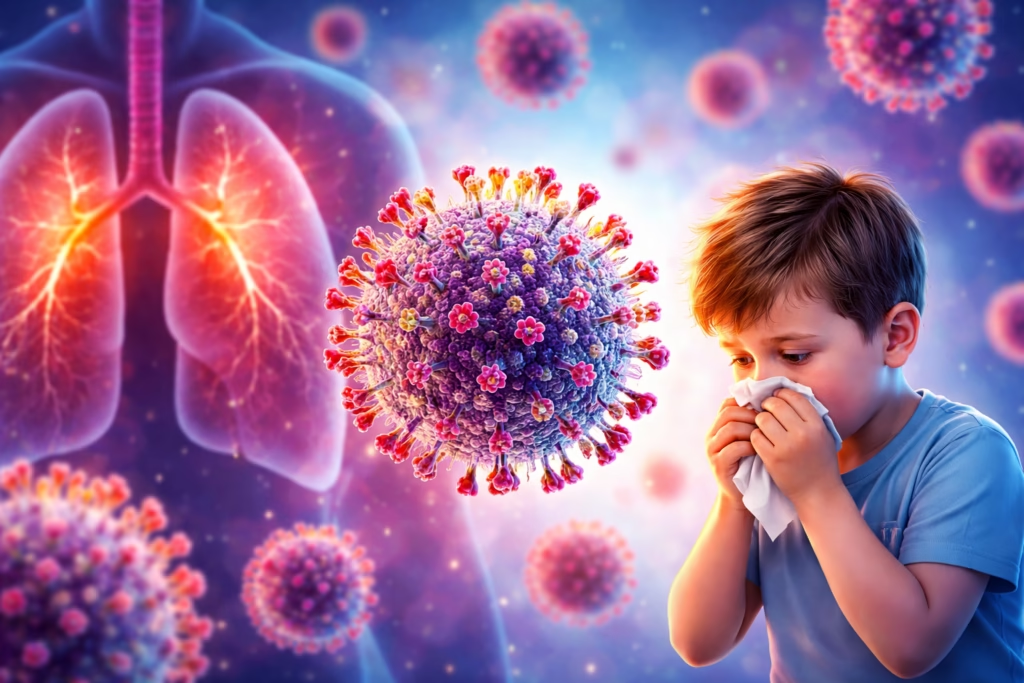
Unlike bacteria that frequently target specific tissues, viruses usually spread through the bloodstream or respiratory system, triggering a whole-body immune response. This systemic activation explains why symptoms often feel generalized rather than localized.
How the Mechanism Works
1️⃣ Viral Replication Activates Cytokines
Once a virus enters the body:
-
It invades host cells and begins replication
-
The immune system detects viral particles
-
White blood cells release signaling proteins called cytokines
These cytokines:
-
Induce fever by acting on the hypothalamus
-
Mobilize immune defenses
-
Trigger inflammation throughout the body
This response is protective — but also responsible for discomfort.
2️⃣ Cytokines Alter Pain Perception
Inflammatory chemicals sensitize nerve endings and influence central pain processing:
-
Lower pain thresholds
-
Increase nerve responsiveness
-
Amplify perception of soreness
As a result, normal muscle use may feel unusually painful.
3️⃣ Muscle Inflammation Develops
Viral illness can lead to:
-
Microscopic inflammation in muscle fibers
-
Temporary metabolic disruption
-
Accumulation of inflammatory byproducts
Large muscles — especially those in the thighs and calves — are most affected because they:
-
Have high energy demands
-
Experience frequent mechanical use
-
Contain dense nerve supply
This produces diffuse aching, not pinpoint pain.
Common Viral Examples
-
Influenza — classic cause of body aches and fever
-
Adenovirus — respiratory and systemic symptoms
-
Parvovirus — may affect joints and muscles
These viruses stimulate strong immune reactions even without deep tissue invasion.
Additional Symptoms Parents May Observe
Because viral responses are systemic, symptoms often include:
-
Headache from inflammatory mediators
-
Runny nose due to respiratory involvement
-
Mild dehydration from fever and reduced intake
-
Irritability caused by discomfort and fatigue
-
Reduced appetite
-
Sleepiness or lethargy
These clues help distinguish viral illness from localized bacterial problems.
Why Leg Pain Specifically Occurs
Several physiological factors contribute:
-
Metabolic stress — fever increases energy consumption
-
Inflammatory exposure — circulating mediators affect muscle tissue
-
Lactic acid buildup — fatigue and soreness
-
Mechanical load — weight-bearing muscles feel symptoms more
The result is soreness described as:
-
Achy
-
Symmetrical
-
Worse during movement
-
Not confined to one exact spot
Typical Clinical Course
Viral illness tends to follow a predictable progression:
1️⃣ Onset of fever and aches
2️⃣ Peak symptoms within 1–3 days
3️⃣ Gradual improvement
4️⃣ Resolution as immune activity declines
Most children recover within:
3–7 days
Medical review is recommended if:
-
Pain becomes localized
-
Fever persists
-
Walking becomes difficult
-
Symptoms worsen instead of improve
Bacterial Infections — Localized Tissue Damage
Bacterial infections differ fundamentally in behavior:
-
They often invade specific tissues
-
They multiply locally
-
They provoke concentrated inflammation
This leads to focused pain, swelling, and more severe clinical risk.
Cellulitis
Pathophysiology
Cellulitis occurs when bacteria enter through:
-
Cuts
-
Insect bites
-
Scratches
-
Skin breakdown
Once inside:
-
Bacteria proliferate in soft tissue
-
Immune response increases blood flow
-
Fluid accumulates
-
Tissue pressure rises
Why Pain Occurs
Swelling compresses surrounding nerves and structures, producing:
-
Tenderness
-
Warmth
-
Redness
-
Throbbing discomfort
Fever results from systemic immune signaling.
Clinical Importance
If untreated:
-
Infection can spread into deeper tissue
-
Enter the bloodstream
-
Lead to systemic complications
Prompt antibiotic treatment prevents escalation.
Osteomyelitis
How It Develops
This is a bone infection arising when bacteria reach bone through:
-
Bloodstream spread
-
Penetrating injury
-
Nearby infection
Inside bone:
-
Inflammation increases marrow pressure
-
Circulation becomes restricted
-
Nerve-rich tissue becomes compressed
Pain Characteristics
-
Deep
-
Severe
-
Localized
-
Persistent
Children may refuse to walk due to intense discomfort.
Red Flag Indicators
-
High fever
-
Refusal to bear weight
-
Localized tenderness
-
Swelling
Why Urgent Treatment Matters
Delayed treatment can lead to:
-
Bone destruction
-
Growth plate damage
-
Chronic infection
Management often requires:
-
Imaging
-
Intravenous antibiotics
-
Specialist care
Septic Arthritis
Disease Process
This condition involves infection inside a joint space.
-
Bacteria enter synovial fluid
-
Rapid inflammatory reaction occurs
-
Fluid accumulation increases pressure
-
Cartilage begins deteriorating
Because joints lack strong protective barriers, damage can progress quickly.
Symptoms and Mechanisms
-
Extreme pain with movement
-
Joint warmth
-
Visible swelling
-
Fever
Movement becomes difficult because:
-
Pressure increases inside the joint
-
Tissue inflammation restricts motion
-
Pain receptors activate strongly
Emergency Nature
Septic arthritis is a medical emergency because:
-
Cartilage damage can occur within days
-
Joint function may be permanently affected
Treatment usually involves:
-
Immediate antibiotics
-
Joint drainage
-
Hospital care
Key Takeaway for Readers
The distinction between viral and bacterial causes largely centers on:
| Feature | Viral | Bacterial |
|---|---|---|
| Pain pattern | Diffuse | Localized |
| Severity | Mild–moderate | Often intense |
| Duration | Short-lived | Persistent |
| Risk level | Usually low | Potentially serious |
Recognizing these differences helps guide timely medical decision-making and improves outcomes for children experiencing these symptoms.
Conclusion
Leg pain combined with fever in children can arise from a broad spectrum of causes, from routine viral illnesses to more serious infections or inflammatory disorders. Recognizing the warning signs and seeking timely medical advice ensures your child receives appropriate care and avoids complications.
When uncertainty arises, consulting your pediatrician is always the safest course of action. With awareness and vigilance, you can respond effectively and safeguard your child’s wellbeing.