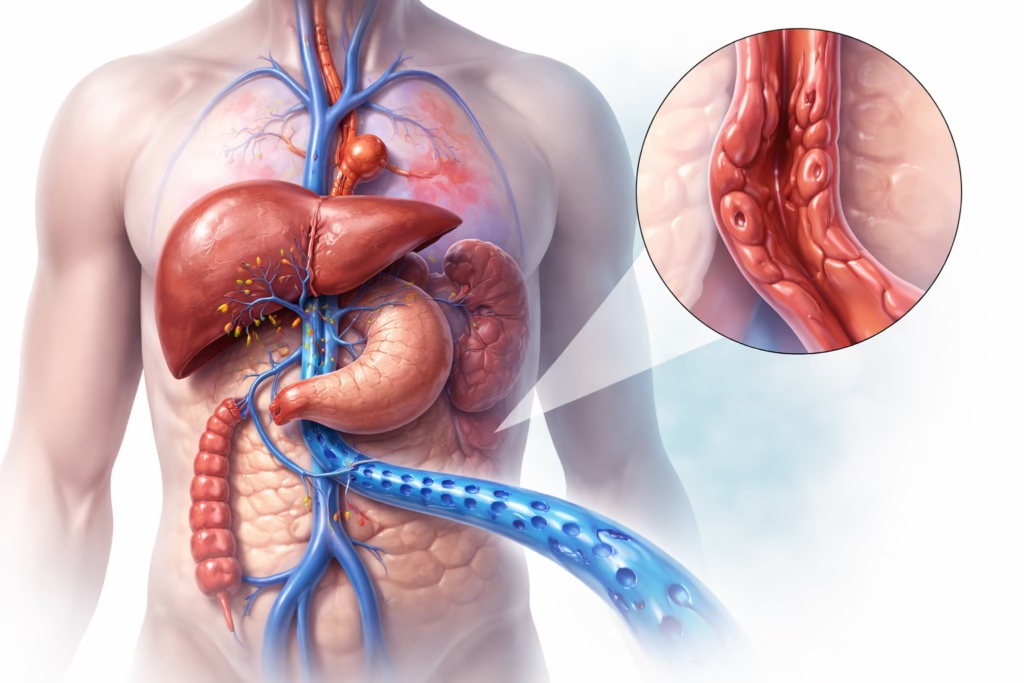

Prediabetes represents a critical intermediate metabolic state in which blood glucose levels are elevated above normal thresholds but not yet high enough to meet the diagnostic criteria for diabetes. This condition is clinically significant because it signals an increased risk of progression to type 2 diabetes, as well as heightened vulnerability to cardiovascular disease and other metabolic complications. Early identification and intervention are therefore essential in preventing long term health deterioration.
- Insulin resistance impairs glucose uptake, causing elevated blood sugar and driving progression toward prediabetes.
- Diagnosis relies on laboratory tests: fasting glucose, HbA1c, and oral glucose tolerance testing to detect impaired glucose metabolism.
- Often asymptomatic; look for subtle signs like increased thirst, frequent urination, fatigue, blurred vision, darkened skin, slow wound healing.
- Prediabetes is often reversible with weight loss, healthy diet, regular physical activity, adequate sleep, stress management, and routine screening.
What Is Prediabetes?
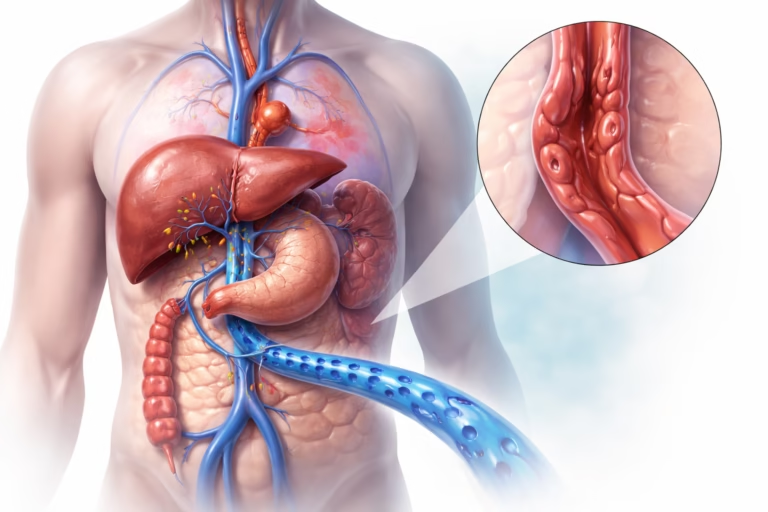
Prediabetes occurs when the body begins to lose its ability to regulate blood glucose efficiently. This dysfunction is primarily driven by insulin resistance, a condition in which cells in muscles, fat, and the liver respond inadequately to insulin. As a result, glucose remains in the bloodstream rather than being effectively utilized for energy.
Clinically, prediabetes is identified through specific laboratory measurements:
- Fasting blood glucose: 100 to 125 mg/dL
- HbA1c (glycated hemoglobin): 5.7% to 6.4%
- Oral glucose tolerance test (OGTT): 140 to 199 mg/dL after two hours
These indicators reflect impaired glucose metabolism and serve as early warning signals for potential progression to diabetes.
Why Prediabetes Matters
Prediabetes is often underestimated because it may not present with obvious symptoms. However, its implications are substantial. Without intervention, a significant proportion of individuals with prediabetes develop type 2 diabetes within a few years.
Moreover, prediabetes is associated with:
- Increased risk of cardiovascular diseases, including heart attack and stroke
- Early onset of vascular damage, even before diabetes develops
- Higher likelihood of metabolic syndrome, which includes hypertension and abnormal lipid profiles
Therefore, prediabetes should be viewed not merely as a warning stage, but as an active condition requiring attention.
Causes and Risk Factors
The development of prediabetes is influenced by a combination of genetic, behavioral, and environmental factors.
1. Insulin Resistance
Insulin resistance is the central mechanism underlying prediabetes. It occurs when cells fail to respond effectively to insulin, forcing the pancreas to produce more insulin to maintain normal glucose levels. Over time, this compensatory mechanism becomes inadequate.
2. Excess Body Weight
Particularly, abdominal or visceral fat is strongly associated with insulin resistance. Fat tissue in this region releases inflammatory substances that impair insulin signaling.
3. Physical Inactivity
A sedentary lifestyle reduces glucose uptake by muscles, thereby contributing to elevated blood sugar levels. Regular physical activity enhances insulin sensitivity.
4. Unhealthy Diet
Diets high in refined carbohydrates, sugars, and saturated fats can lead to repeated spikes in blood glucose, promoting insulin resistance over time.
5. Genetic Predisposition
A family history of type 2 diabetes increases the likelihood of developing prediabetes, suggesting a hereditary component.
6. Age and Hormonal Factors
The risk increases with age, particularly after 45 years. Additionally, conditions such as polycystic ovary syndrome (PCOS) and gestational diabetes are associated with higher risk.
Early Warning Signs of Prediabetes
Although prediabetes is often asymptomatic, certain subtle indicators may suggest its presence. These signs should not be overlooked, as they provide an opportunity for early intervention.
1. Increased Thirst and Frequent Urination
Elevated blood glucose levels cause the kidneys to work harder to filter and remove excess sugar. This process increases urine production, which can lead to dehydration and increased thirst.
2. Persistent Fatigue
When glucose cannot effectively enter cells due to insulin resistance, the body’s energy production is compromised. This results in ongoing tiredness, even after adequate rest.
3. Blurred Vision
High blood sugar levels can temporarily alter the shape of the eye’s lens, leading to difficulties in focusing.
4. Darkened Skin Patches (Acanthosis Nigricans)
This condition appears as dark, velvety patches of skin, typically around the neck, armpits, or groin. It is strongly associated with insulin resistance and is a visible clinical marker.
5. Slow Healing of Wounds
Elevated glucose levels can impair circulation and immune function, delaying the body’s ability to heal cuts or infections.
6. Increased Hunger
Despite adequate food intake, individuals may feel persistently hungry due to inefficient glucose utilization by cells.
It is important to note that many individuals with prediabetes may not exhibit noticeable symptoms, which reinforces the importance of routine screening.
How Prediabetes Is Diagnosed
Diagnosis relies on laboratory testing rather than symptoms alone. The most commonly used tests include:
- Fasting Plasma Glucose Test: Measures blood sugar after an overnight fast
- HbA1c Test: Reflects average blood sugar levels over the past two to three months
- Oral Glucose Tolerance Test: Assesses how the body processes glucose over time
Regular screening is particularly important for individuals with risk factors such as obesity, family history, or sedentary lifestyle.
Can Prediabetes Be Reversed?
One of the most important aspects of prediabetes is that it is potentially reversible. Evidence indicates that lifestyle modifications can significantly reduce the risk of progression to type 2 diabetes.
1. Dietary Modifications
Adopting a balanced diet rich in:
- Whole grains
- Lean proteins
- Fruits and vegetables
- Healthy fats
can help regulate blood sugar levels and improve insulin sensitivity.
2. Regular Physical Activity
Engaging in at least 150 minutes of moderate exercise per week improves glucose uptake and reduces insulin resistance.
3. Weight Management
Even modest weight loss, typically 5 to 10 percent of body weight, can lead to substantial improvements in metabolic health.
4. Adequate Sleep and Stress Management
Poor sleep and chronic stress can negatively affect glucose metabolism. Therefore, maintaining healthy sleep patterns and managing stress are important components of prevention.
Prevention Strategies
Preventing the progression from prediabetes to diabetes requires a proactive and sustained approach.
Key strategies include:
- Monitoring blood sugar levels regularly
- Maintaining a healthy body weight
- Limiting intake of sugary and processed foods
- Avoiding tobacco use
- Seeking regular medical checkups
Public health evidence consistently shows that early lifestyle intervention is more effective and less costly than managing advanced diabetes.
Conclusion
Prediabetes represents a pivotal stage in the progression of metabolic disease. Although it often develops silently, its long term implications are significant. Understanding the underlying mechanisms, recognizing early warning signs, and adopting preventive strategies can substantially reduce the risk of developing type 2 diabetes.
Therefore, early awareness and timely intervention remain the most effective tools in addressing this growing global health concern.