Understanding Respiratory Syncytial Virus (RSV): Prevention, Symptoms, and Treatment
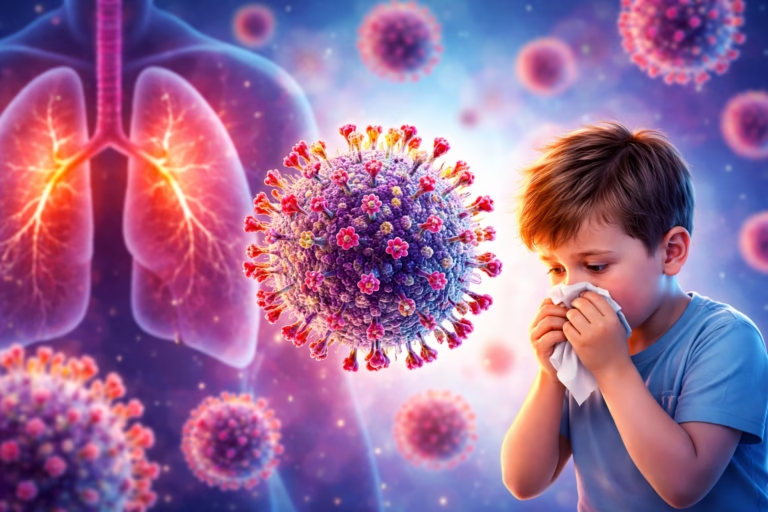
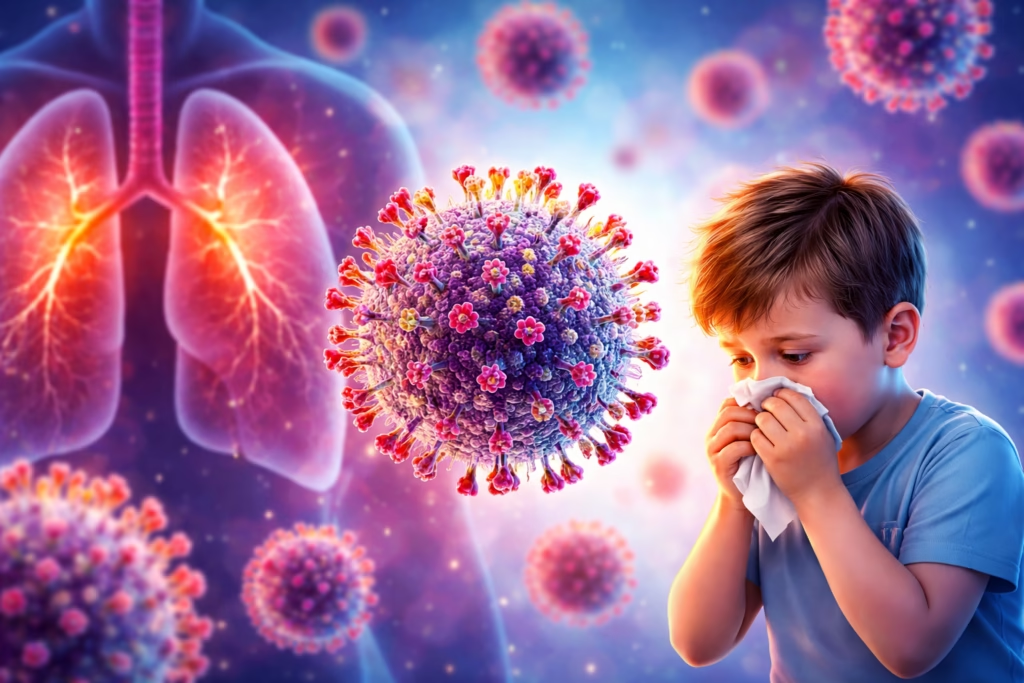
Respiratory Syncytial Virus (RSV) is a highly prevalent viral infection that affects the respiratory tract. It is one of the most common causes of respiratory illness worldwide, particularly among infants and young children. Although many cases are mild and resemble the common cold, RSV can progress to severe disease in vulnerable populations, including infants, older adults, and individuals with weakened immune systems.
The clinical importance of RSV lies not only in its widespread transmission but also in its capacity to cause lower respiratory tract infections such as bronchiolitis and pneumonia. These complications can require hospitalization and, in severe cases, may be life threatening. Therefore, understanding RSV in detail, including how it spreads, how it affects the body, and how it can be prevented or managed, is essential for both individual and public health.
Why This Matters
RSV has significant implications for healthcare systems and population health.
- Leading cause of bronchiolitis and pneumonia in young children: RSV is the primary cause of lower respiratory tract infections in children under two years of age. This is particularly important because infants have smaller airways, making them more vulnerable to inflammation and obstruction.
- Seasonal surges strain healthcare systems: During peak seasons, hospitals often experience increased admissions due to RSV, especially pediatric admissions. This can lead to overcrowding and resource strain.
- Advancements in vaccines and therapies: Recent developments in RSV vaccines and monoclonal antibody treatments offer promising strategies to reduce infection rates and severity, particularly in high risk groups.
Understanding these aspects allows individuals and healthcare providers to take proactive steps toward prevention and early management.
Section 1: What Is RSV?
Definition and Classification
Respiratory Syncytial Virus is an RNA virus that belongs to the Pneumoviridae family. It primarily targets the respiratory system, including both the upper and lower airways.
There are two main subtypes:
- RSV-A: Generally associated with more severe outbreaks and higher transmission rates
- RSV-B: Typically causes milder infections, although it can still lead to serious illness in vulnerable individuals
Both subtypes circulate simultaneously, but their dominance may vary from season to season.
How RSV Affects the Body
The progression of RSV infection involves several biological stages.
Entry into the body:
The virus enters through the nose or eyes when a person comes into contact with infected respiratory droplets. These droplets are typically produced when an infected individual coughs, sneezes, or talks.
Replication:
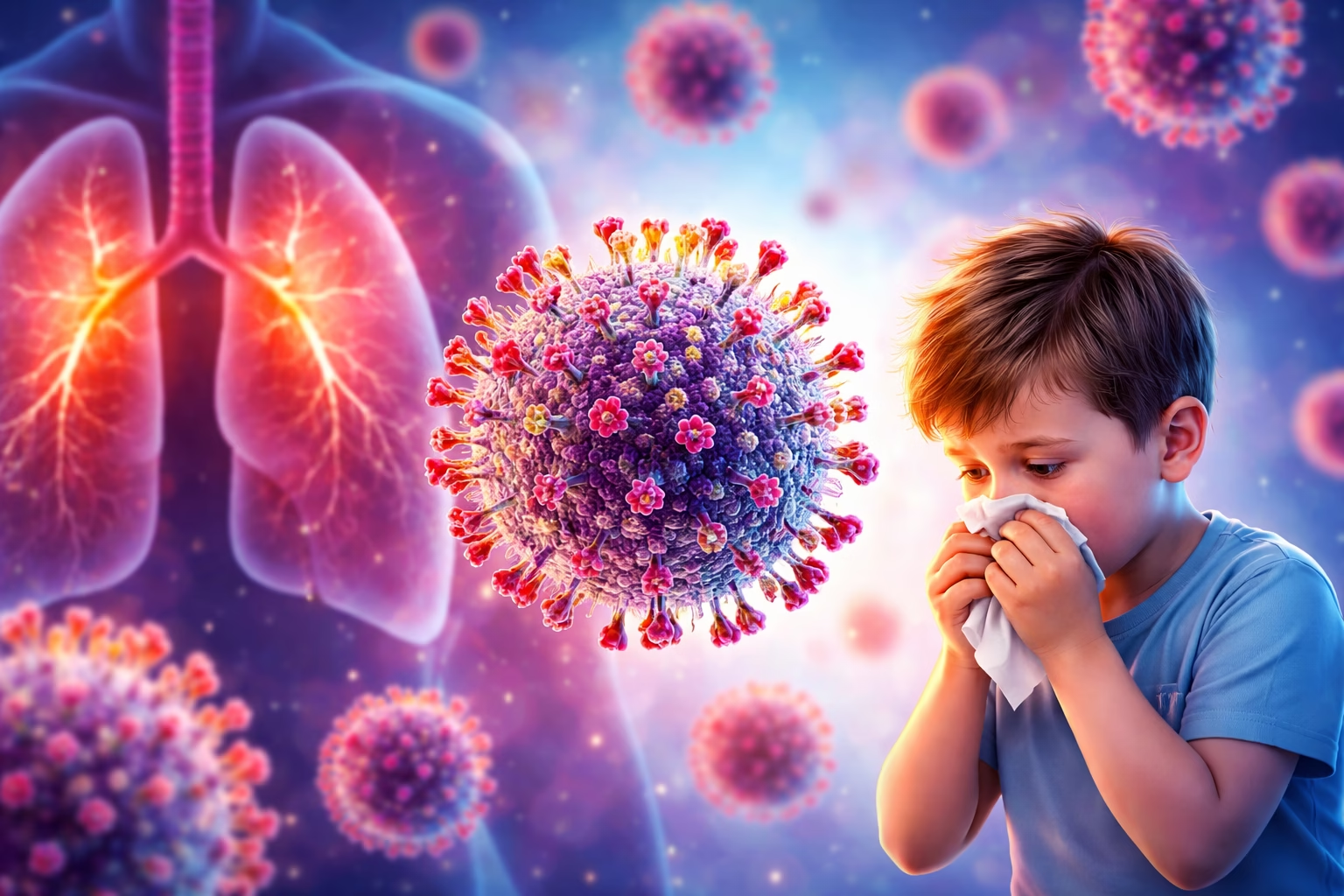
Once inside, RSV attaches to epithelial cells lining the respiratory tract. It then begins to replicate rapidly, producing more viral particles that infect neighboring cells.
Inflammation and cellular damage:
As infected cells are damaged and destroyed, the immune system responds by triggering inflammation. This leads to swelling of the airways and increased mucus production.
Development of symptoms:
The combination of airway inflammation and mucus buildup results in symptoms such as coughing, wheezing, nasal congestion, and difficulty breathing. In infants, this process can quickly compromise airflow due to their narrow airways.
Section 2: Transmission and Risk Factors
How RSV Spreads
RSV is highly contagious and spreads through multiple pathways.
Direct contact:
The virus can be transmitted through physical contact such as handshakes or touching an infected person. If a person then touches their face, the virus can enter through the nose, mouth, or eyes.
Droplet transmission:
When an infected person coughs or sneezes, tiny droplets containing the virus are released into the air. These droplets can be inhaled by nearby individuals.
Indirect contact through surfaces:
RSV can survive on surfaces such as toys, doorknobs, and tables for several hours. Touching contaminated objects and then touching the face can result in infection.
High Risk Groups
Certain populations are more susceptible to severe RSV infection.
Infants and young children:
Infants, especially those under six months, have immature immune systems and smaller airways, making them more prone to severe symptoms.
Premature babies:
Premature infants often have underdeveloped lungs and reduced immune defenses, increasing their risk of complications.
Older adults (65+):
Aging is associated with a decline in immune function, which makes older adults more vulnerable to respiratory infections.
Individuals with chronic conditions:
People with chronic heart or lung diseases may experience worsened symptoms due to limited respiratory reserve.
Immunocompromised individuals:
Those undergoing chemotherapy, organ transplantation, or living with immune disorders are at higher risk of severe infection.
Seasonality
RSV follows distinct seasonal patterns.
- In the northern hemisphere, infections peak between November and April
- In the southern hemisphere, peaks occur between May and September
- In tropical regions, RSV may circulate throughout the year with periodic increases
Seasonality is important because it helps healthcare systems prepare for surges and allows individuals to adopt preventive measures during high risk periods.
Section 3: Signs and Symptoms of RSV
Common Symptoms
In many cases, RSV presents with mild symptoms similar to a cold.
- Runny nose and nasal congestion: Caused by inflammation of the upper respiratory tract
- Low grade fever: Reflects the body’s immune response to infection
- Coughing and sneezing: Help clear mucus but may also spread the virus
- Decreased appetite: Often due to fatigue and nasal congestion
These symptoms typically appear within a few days of exposure and may last for one to two weeks.
When RSV Becomes Severe
In some individuals, especially infants, RSV can progress to more serious illness.
Rapid or difficult breathing:
Inflammation and mucus can block small airways, causing visible effort in breathing, such as chest retractions or flaring nostrils.
Wheezing:
A high pitched sound during breathing indicates narrowing of the airways.
Cyanosis (bluish lips or fingertips):
This suggests reduced oxygen levels in the blood and requires immediate medical attention.
Lethargy or poor feeding in infants:
Infants may become unusually sleepy or refuse to feed, which can quickly lead to dehydration and worsening illness.
Diagnosis
Diagnosis of RSV involves both clinical and laboratory approaches.
Clinical evaluation:
Healthcare providers assess symptoms, breathing patterns, and medical history to identify likely RSV infection.
Rapid antigen tests:
These tests detect viral proteins and provide results within 15 to 30 minutes. They are commonly used in outpatient settings.
PCR tests:
Polymerase chain reaction tests are more sensitive and can detect small amounts of viral genetic material. They are often used in hospitals for accurate diagnosis.
Section 4: Prevention Strategies
Everyday Precautions
Simple hygiene measures are highly effective in reducing transmission.
Handwashing:
Washing hands with soap and water for at least 20 seconds removes viruses from the skin.
Use of hand sanitizers:
Alcohol based sanitizers are useful when handwashing is not available.
Avoiding close contact:
Keeping distance from individuals who are sick reduces exposure to respiratory droplets.
Surface disinfection:
Regular cleaning of frequently touched objects helps prevent indirect transmission.
Protecting High Risk Individuals
Breastfeeding:
Breast milk contains antibodies that can help protect infants against infections, including RSV.
Palivizumab:
This monoclonal antibody is given to certain high risk infants during RSV season. It does not cure RSV but provides passive immunity that reduces the risk of severe disease.
Respiratory etiquette:
Covering coughs and sneezes and using masks when appropriate can limit spread.
Community Measures
Staying home when sick:
This prevents transmission in schools, workplaces, and public spaces.
Limiting visitors:
Reducing exposure to newborns and vulnerable individuals during peak RSV season lowers infection risk.
Education and awareness:
Training caregivers and daycare staff to recognize symptoms and practice hygiene is essential for outbreak control.
Section 5: Treatment and Ongoing Research
Current Treatment Options
There is no specific cure for RSV in most cases, so treatment focuses on supportive care.
Hydration:
Maintaining fluid intake is critical, especially for infants who may have difficulty feeding.
Fever management:
Medications such as acetaminophen or ibuprofen can help reduce fever and improve comfort.
Oxygen therapy:
In cases of breathing difficulty, supplemental oxygen may be required to maintain adequate oxygen levels.
Hospitalization:
Severe cases, particularly in infants or older adults, may require hospital care for monitoring, intravenous fluids, or respiratory support.
Emerging Therapies and Vaccines
Recent advancements are improving prevention and treatment options.
RSV vaccines:
Maternal vaccines administered during pregnancy can transfer protective antibodies to newborns. Vaccines for older adults are also being developed to reduce severe disease.
Antiviral therapies:
New drugs are under investigation to reduce viral replication and shorten illness duration.
Next generation monoclonal antibodies:
These provide longer lasting protection compared to earlier options and may offer broader coverage for infants.
Real World Impact
Recent studies have demonstrated the effectiveness of preventive strategies. For example, maternal vaccination programs have shown significant reductions in infant hospitalizations, highlighting the importance of immunization based prevention.
Conclusion
Respiratory Syncytial Virus remains a major public health concern due to its high transmissibility and potential for severe complications in vulnerable populations. However, a comprehensive understanding of its transmission, symptoms, and prevention strategies allows individuals and communities to reduce its impact.
By maintaining good hygiene, protecting high risk individuals, and staying informed about emerging vaccines and treatments, it is possible to significantly lower the burden of RSV.
Key Takeaways
- RSV is a highly contagious respiratory virus that can range from mild illness to severe disease
- Infants, older adults, and immunocompromised individuals are at highest risk
- Early recognition of severe symptoms is critical for timely intervention
- Preventive measures such as hand hygiene and vaccination strategies are essential
- Ongoing research continues to improve treatment and prevention options
Early awareness, timely action, and consistent preventive practices remain the most effective strategies for managing RSV and protecting public health.