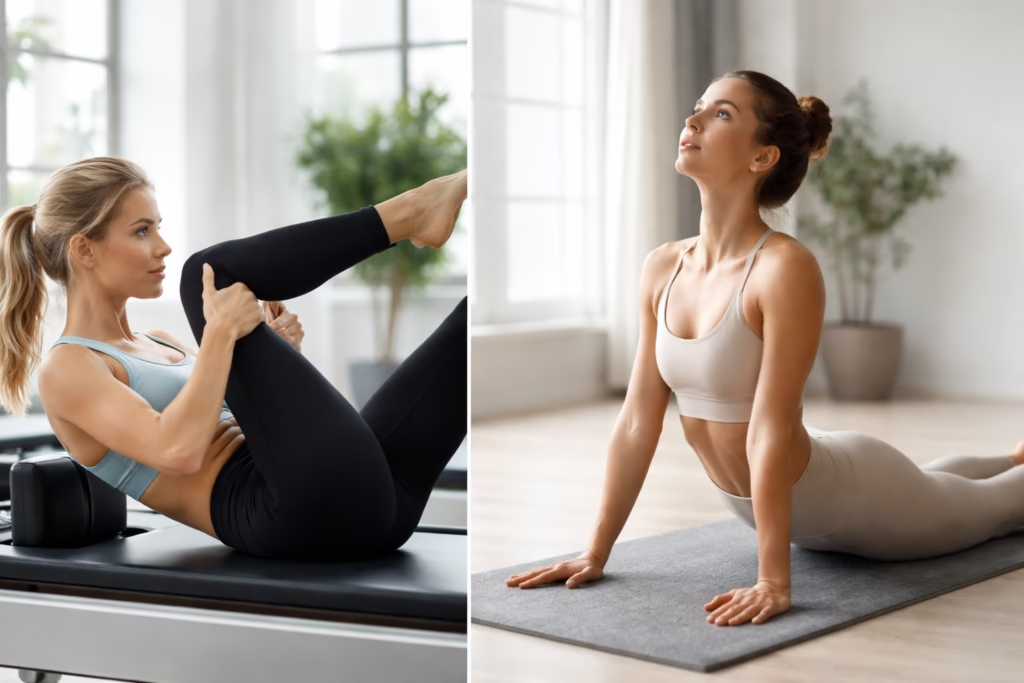
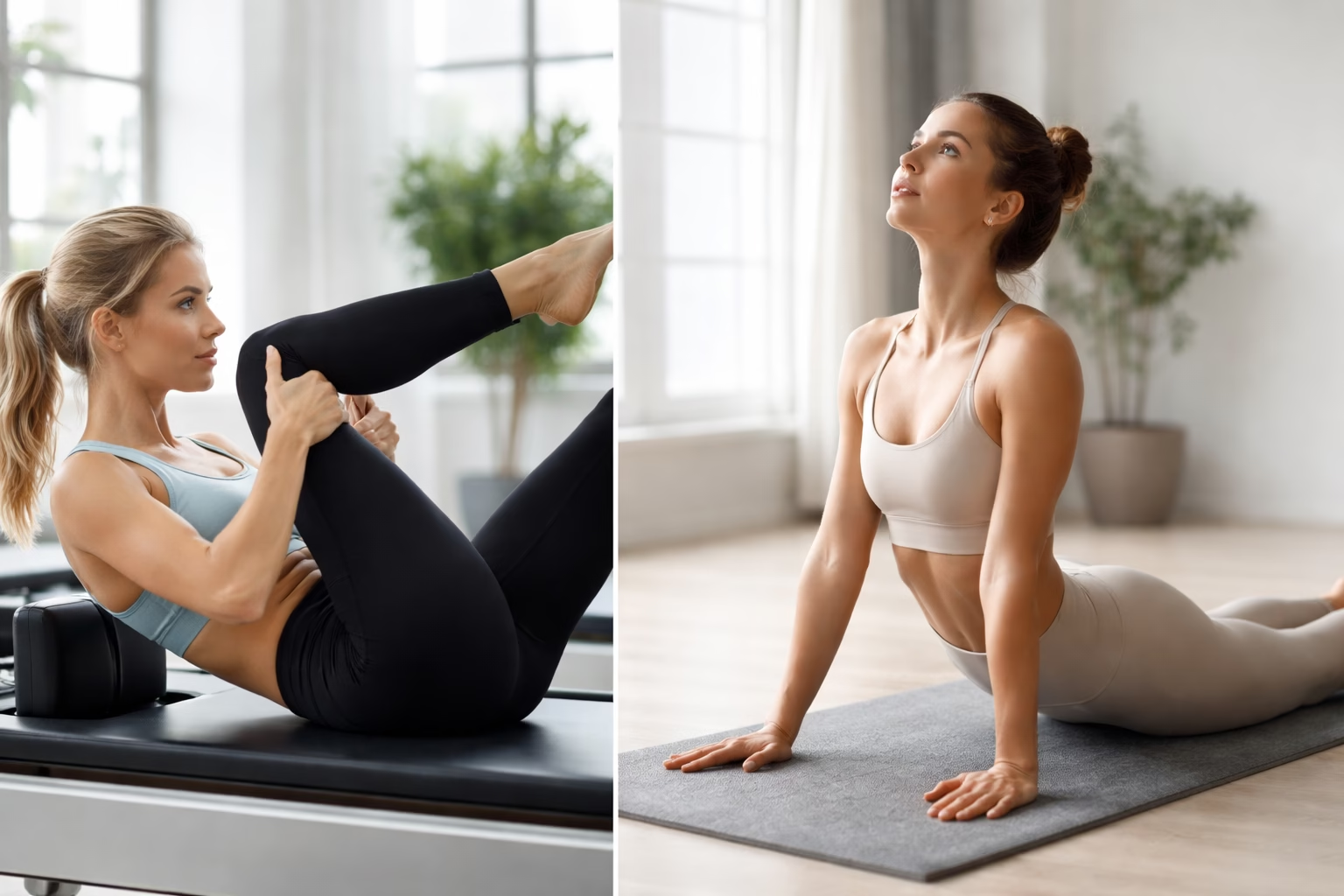
Pilates and yoga are two of the most widely practiced mind–body disciplines, each offering distinct yet complementary health benefits. Both approaches aim to improve physical function and mental well being, yet they differ in their underlying philosophy, movement structure, and primary outcomes. Understanding these differences in depth allows individuals to select a practice that aligns with their specific goals, physical condition, and lifestyle preferences.
- Pilates emphasizes core strength, posture, controlled precision, and rehabilitation using mat or specialized equipment to improve functional movement and prevent injury.
- Yoga focuses on flexibility, balance, breathwork, and meditation, offering stress reduction, mental clarity, and diverse styles from gentle to vigorous practice.
- Choose based on goals: pick Pilates for alignment and rehabilitation, yoga for flexibility and mindfulness, or combine both for balanced strength and mobility.
This article provides a comprehensive analysis of Pilates and yoga, including their origins, methodologies, physiological benefits, and practical considerations for choosing between them or integrating both into a balanced routine.
Understanding Pilates
Origins and Philosophy
Pilates was developed by Joseph Pilates in the early twentieth century. It was initially designed as a rehabilitation system for injured soldiers and later adapted for dancers and athletes. The method is grounded in principles of controlled movement, precision, alignment, and breath coordination.
At its core, Pilates emphasizes strengthening the “powerhouse,” which includes the abdominal muscles, lower back, hips, and glutes. This central focus is intended to stabilize the body, improve posture, and support efficient movement patterns. Unlike traditional strength training, Pilates prioritizes quality of movement over quantity, with careful attention to technique.
Typical Pilates Session
A Pilates session follows a structured and progressive format.
Warm up phase:
The session typically begins with gentle breathing exercises and spinal mobility movements. These exercises activate the core muscles and prepare the body for more demanding movements.
Mat or equipment based exercises:
Pilates can be performed on a mat or using specialized equipment such as the reformer, Cadillac, or resistance bands. Equipment based Pilates provides adjustable resistance, which enhances both strength and control.
Core centered exercises:
Most exercises target the core, ensuring stability and alignment throughout the body. Movements are performed slowly and with precision, emphasizing muscular control and coordination.
Cool down:
The session concludes with stretching and relaxation, allowing the body to release tension and return to a resting state.
Key Features of Pilates
- Focus on precise, controlled, low impact movements, which reduces strain on joints
- Use of specialized equipment, allowing for progressive resistance and rehabilitation
- Strong emphasis on posture, alignment, and injury prevention, making it suitable for individuals recovering from injury
These characteristics make Pilates particularly effective for improving functional strength and correcting movement imbalances.
Understanding Yoga
Origins and Philosophy
Yoga is an ancient practice that originated in India more than 2,000 years ago. It is rooted in philosophical and spiritual traditions that aim to unify the mind, body, and spirit. Unlike Pilates, which is primarily physical, yoga integrates physical movement with breathing techniques and meditation.
The practice includes three main components:
- Asanas: Physical postures that improve flexibility and strength
- Pranayama: Controlled breathing techniques that regulate energy and calm the mind
- Meditation: Mental practices that enhance awareness and emotional balance
The overarching goal of yoga is not only physical fitness but also mental clarity and inner equilibrium.
Typical Yoga Session
A yoga session is generally structured to promote both physical and mental balance.
Centering and breathwork:
Sessions begin with breathing exercises that help focus attention and prepare the mind.
Asana sequence:
A series of poses is performed, which may include standing, balancing, seated, and reclining positions. These poses are often synchronized with breath.
Peak pose:
Many sessions build toward a more challenging posture, which integrates strength, flexibility, and balance.
Savasana (final relaxation):
The session ends with deep relaxation, allowing the body and mind to absorb the benefits of the practice.
Key Features of Yoga
- Wide variety of styles, including Hatha, Vinyasa, Ashtanga, and Yin, each offering different intensity levels
- Strong emphasis on flexibility, balance, and mindfulness
- Integration of meditation and spiritual elements, which enhance mental well being
Yoga’s adaptability makes it suitable for individuals seeking both physical exercise and emotional balance.
Key Differences Between Pilates and Yoga
Focus and Intention
Pilates is primarily focused on core strength, stability, and rehabilitation. It aims to improve functional movement and prevent injury.
Yoga, in contrast, emphasizes flexibility, balance, stress reduction, and spiritual growth. It addresses both physical and psychological dimensions of health.
Movement Style
Pilates movements are repetitive, controlled, and precision based. Each exercise is performed with strict attention to alignment and muscle engagement.
Yoga movements vary depending on style. Some forms involve flowing sequences synchronized with breath, while others focus on holding poses for extended periods to deepen flexibility and awareness.
Equipment Versus Mat Practice
Pilates often incorporates specialized equipment such as reformers and resistance devices. These tools provide adjustable resistance and support rehabilitation.
Yoga is primarily mat based, with occasional use of props such as blocks and straps to assist with alignment and accessibility.
Breathing Techniques
Pilates uses lateral thoracic breathing, which supports core engagement and stability during movement.
Yoga employs a variety of pranayama techniques, each designed to influence energy flow, relaxation, and mental focus.
Mind–Body Emphasis
Pilates incorporates mindfulness through controlled movement but remains largely physical in focus.
Yoga places a deeper emphasis on mental and spiritual integration, often including meditation and philosophical teachings.
Benefits of Pilates
Pilates offers several measurable physical benefits.
Improved core strength and posture:
Strengthening the central muscles enhances spinal support and reduces strain on the body.
Enhanced muscle tone without excessive bulk:
Pilates promotes lean muscle development through controlled resistance.
Greater spinal mobility and alignment:
Regular practice improves flexibility in the spine and reduces stiffness.
Injury prevention and rehabilitation:
The low impact nature of Pilates makes it suitable for recovery and prevention of musculoskeletal injuries.
Accessibility across fitness levels:
Exercises can be modified for beginners or advanced practitioners, making Pilates widely adaptable.
Benefits of Yoga
Yoga provides both physical and psychological advantages.
Increased flexibility and joint mobility:
Stretching and holding poses improve range of motion and reduce stiffness.
Stress reduction and mental clarity:
Breathing techniques and meditation lower stress hormones and promote relaxation.
Improved balance and body awareness:
Balancing poses enhance coordination and proprioception.
Strength development:
Weight bearing poses build muscular strength, particularly in the upper body and core.
Holistic well being:
Yoga supports emotional resilience and fosters a deeper connection between mind and body.
Who Should Try Pilates?
Pilates is particularly suitable for individuals with specific physical goals.
- Those recovering from injury or undergoing rehabilitation benefit from controlled and supportive movements
- Individuals aiming to improve posture and core strength find Pilates highly effective
- Athletes and dancers can use Pilates to enhance performance and prevent injury
- Those who prefer structured, technique focused workouts may find Pilates more appealing
Who Should Try Yoga?
Yoga is ideal for individuals seeking a broader wellness approach.
- People looking for stress relief and mental relaxation benefit from yoga’s meditative aspects
- Individuals interested in flexibility and balance improvement may prefer yoga
- Those exploring spiritual or mindfulness practices can engage with yoga’s philosophical elements
- Individuals who enjoy variety can choose from multiple yoga styles and intensities
Choosing What’s Right for You
Define Your Goals
If the primary goal is core strength, posture correction, and rehabilitation, Pilates is more suitable. If the goal is stress reduction, flexibility, and mental clarity, yoga may be more appropriate.
Assess Your Physical Needs
Individuals with injury history or chronic pain may benefit from Pilates due to its controlled nature. Those experiencing stiffness or limited mobility may find yoga more effective for stretching and relaxation.
Try Introductory Classes
Experiencing both practices firsthand allows individuals to evaluate comfort, enjoyment, and effectiveness. Different instructors and styles can significantly influence the experience.
Consider Cross Training
Combining Pilates and yoga can provide a comprehensive fitness approach. Pilates builds strength and stability, while yoga enhances flexibility and mental well being. Alternating between the two can prevent monotony and support balanced development.
Conclusion
Pilates and yoga each offer distinct yet complementary benefits. Pilates focuses on structural strength, alignment, and rehabilitation, while yoga emphasizes flexibility, balance, and holistic well being. The choice between them depends on individual goals, physical condition, and personal preferences.
Ultimately, consistency is the most important factor in achieving long term health benefits. Whether practicing Pilates, yoga, or a combination of both, regular engagement supports physical fitness, mental clarity, and overall quality of life.