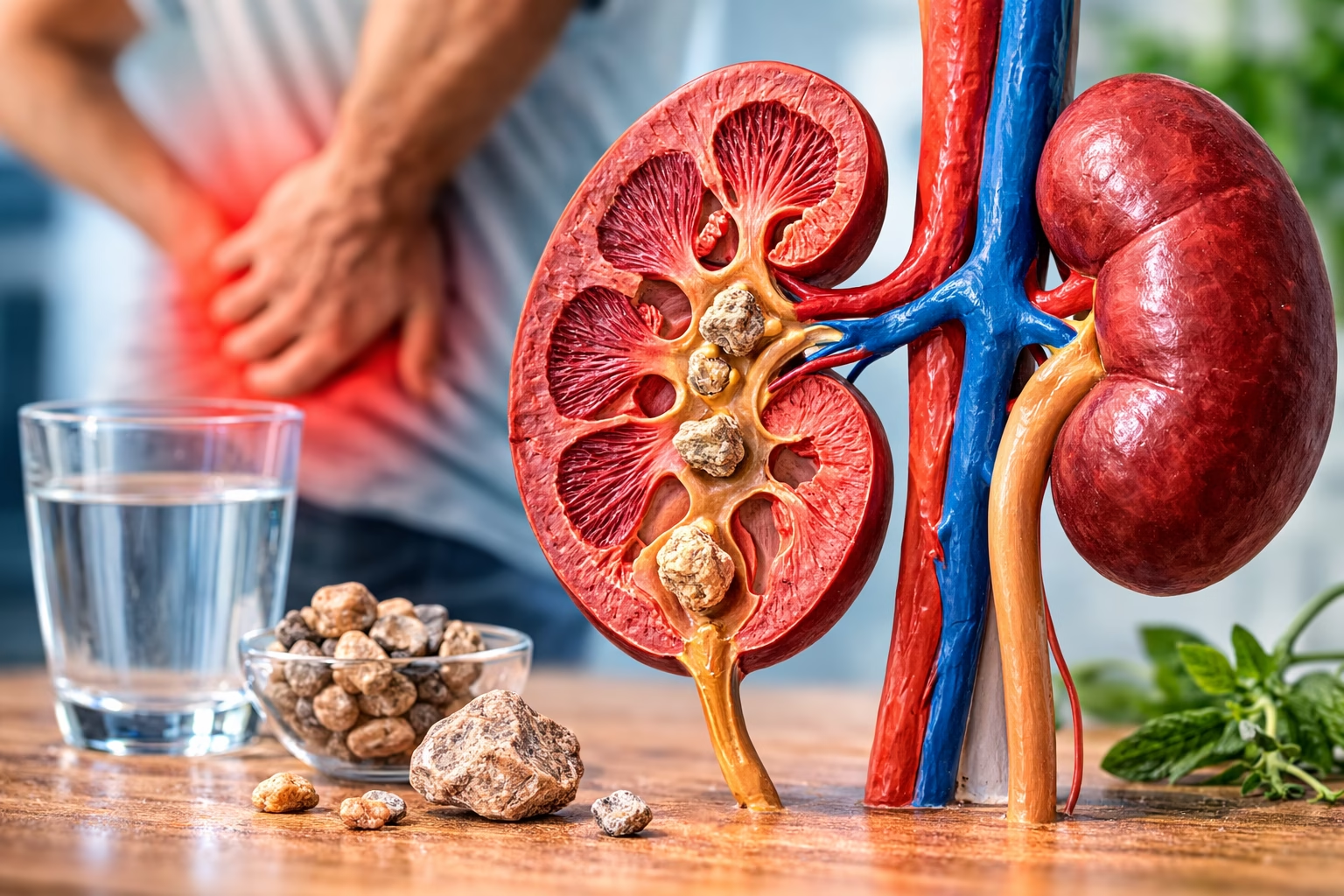
Kidney stones, medically referred to as nephrolithiasis, represent one of the most common disorders of the urinary tract. The condition occurs when minerals and salts present in urine crystallize and accumulate within the kidneys, eventually forming solid masses. These stones may vary in size from very small crystals that pass unnoticed to larger formations capable of obstructing the urinary tract and causing severe discomfort.
- Key risk factors: low fluid intake, high sodium or animal protein diets, oxalate rich foods, family history, obesity, certain medications, and metabolic conditions.
- Common symptoms include sudden severe flank pain, painful urination, blood in urine, frequent urgency, nausea, and fever with infection.
- Diagnosis uses clinical evaluation with urine analysis, blood tests, and imaging such as ultrasound or CT to identify stone presence and composition.
- Prevent by maintaining adequate hydration, reducing sodium, moderating animal protein, keeping dietary calcium, limiting oxalate rich foods, and maintaining healthy weight.
- Seek urgent care for unrelieved severe pain, persistent vomiting, fever, or inability to pass urine; high risk patients may need medication and follow up.
From a clinical perspective, kidney stones are not merely a source of pain. They can interfere with normal urinary flow, damage kidney tissue, and increase the likelihood of recurrent urinary tract infections if left untreated. Although modern medical interventions allow for effective treatment, prevention remains a critical component of long term kidney health. Understanding the factors that contribute to stone formation, recognizing the symptoms early, and adopting preventive strategies can significantly reduce the risk of recurrence.
Understanding Kidney Stones
The kidneys play a fundamental role in filtering waste products and excess substances from the bloodstream. These wastes are excreted through urine. Under certain circumstances, however, the balance of minerals and fluids in urine becomes disrupted. When urine becomes highly concentrated, substances such as calcium, oxalate, and uric acid can crystallize and bind together, gradually forming kidney stones.
Several types of kidney stones have been identified in medical research. The most common type is the calcium stone, often composed of calcium oxalate. Uric acid stones develop when urine becomes overly acidic. Struvite stones may form in association with urinary tract infections, while cystine stones are linked to rare inherited metabolic disorders.
The formation of kidney stones is typically a gradual process. Small crystals first develop within the kidneys and may enlarge over time. If the stones move into the ureter, the narrow tube that connects the kidney to the bladder, they can obstruct urine flow and trigger intense pain.
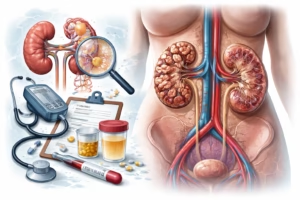
Major Risk Factors for Kidney Stones
Kidney stone formation is influenced by a combination of lifestyle, dietary, genetic, and medical factors. Recognizing these risk factors is essential for both prevention and long term management.
Dehydration and Low Fluid Intake
Insufficient fluid consumption is widely regarded as one of the leading contributors to kidney stone formation. When the body lacks adequate hydration, urine becomes more concentrated. This increases the likelihood that minerals will crystallize and accumulate in the kidneys.
Individuals living in hot climates or those who engage in intense physical activity without adequate fluid replacement may face a higher risk.
Dietary Factors
Certain dietary patterns are associated with increased stone formation. Diets high in sodium, excessive animal protein, and oxalate rich foods can alter urine composition. Foods such as spinach, chocolate, nuts, and certain teas contain significant amounts of oxalate, which may combine with calcium to form stones.
Excessive consumption of sugary beverages and processed foods may also contribute to metabolic changes that favor stone development.
Family History and Genetic Predisposition
Research indicates that individuals with a family history of kidney stones may have a higher susceptibility to the condition. Genetic factors can influence how the body processes minerals and manages urinary excretion.
Certain inherited disorders, such as cystinuria, increase the concentration of specific amino acids in urine and significantly elevate the risk of recurrent stone formation.
Medical Conditions
Several medical conditions are associated with kidney stone development. These include obesity, diabetes, hyperparathyroidism, and inflammatory bowel disease. Conditions that affect calcium metabolism or alter urinary chemistry can increase the likelihood of stone formation.
Additionally, recurrent urinary tract infections may promote the development of infection related stones, particularly struvite stones.
Certain Medications
Some medications may increase the risk of kidney stones by altering urine composition or affecting mineral balance. Examples include certain diuretics, calcium based antacids, and medications used to treat migraines or seizures.
Patients who require long term medication therapy should consult healthcare professionals regarding potential effects on kidney health.
Symptoms of Kidney Stones
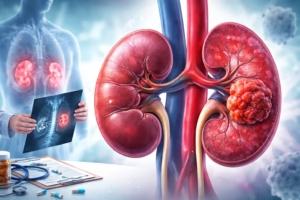
The clinical presentation of kidney stones can vary depending on the size and location of the stone. Small stones may pass through the urinary tract without causing noticeable symptoms. Larger stones, however, often produce distinct and sometimes severe symptoms.
Severe Flank Pain
One of the most recognizable symptoms is sudden, intense pain located in the side or back, often referred to as flank pain. The pain may radiate toward the lower abdomen or groin and tends to occur in waves as the stone moves through the urinary tract.
Painful Urination
When a stone approaches the bladder or urethra, individuals may experience burning or discomfort during urination.
Blood in the Urine
Kidney stones can irritate the lining of the urinary tract, leading to the presence of blood in the urine. The urine may appear pink, red, or brown depending on the extent of bleeding.
Frequent Urination and Urgency
Stones located near the bladder may create a sensation of constant urinary urgency. Individuals may feel the need to urinate frequently even when the bladder contains little urine.
Nausea and Vomiting
Severe pain caused by kidney stones can trigger nausea and vomiting due to the close connection between the kidneys and gastrointestinal nerves.
Fever and Chills
If a kidney stone is accompanied by infection, symptoms such as fever, chills, and severe discomfort may develop. This represents a medical emergency that requires immediate medical attention.
How Kidney Stones Are Diagnosed
Healthcare professionals typically diagnose kidney stones using a combination of clinical evaluation and imaging techniques. Diagnostic methods may include ultrasound, computed tomography scans, and urine analysis. Blood tests may also be conducted to assess mineral levels and kidney function.
Identifying the type of kidney stone is essential because treatment and prevention strategies may differ depending on the underlying composition.
Prevention Strategies for Kidney Stones
Preventive measures represent the most effective approach to reducing the risk of kidney stones, particularly for individuals who have previously experienced the condition.
Maintain Adequate Hydration
Consuming sufficient water throughout the day helps dilute urine and reduces the concentration of stone forming minerals. Many healthcare professionals recommend producing at least two liters of urine daily, which generally requires drinking approximately two to three liters of fluids.
Adopt a Balanced Diet
Dietary adjustments play a crucial role in preventing kidney stones. Reducing sodium intake, moderating animal protein consumption, and maintaining adequate calcium intake through natural food sources may help regulate urinary chemistry.
Increasing the intake of fruits and vegetables may also provide beneficial compounds such as citrate, which can inhibit stone formation.
Limit Oxalate Rich Foods
Individuals prone to calcium oxalate stones may benefit from limiting foods that contain high concentrations of oxalate. However, dietary restriction should be balanced carefully to maintain nutritional adequacy.
Maintain a Healthy Body Weight
Obesity and metabolic disorders are associated with increased kidney stone risk. Maintaining a healthy body weight through regular physical activity and balanced nutrition can contribute to overall urinary health.
Medical Management for High Risk Individuals
In some cases, healthcare providers may prescribe medications designed to regulate urine composition. These medications may reduce uric acid production, increase citrate levels, or decrease calcium excretion depending on the specific stone type.
Regular medical follow up may be recommended for individuals with recurrent stones to monitor kidney function and prevent complications.
When to Seek Medical Attention
Although some kidney stones pass naturally without medical intervention, certain symptoms require immediate medical evaluation. Severe pain that does not improve, persistent vomiting, fever, or difficulty passing urine may indicate a blockage or infection that requires urgent treatment.
Early medical intervention can prevent complications such as kidney damage or severe infections.
Conclusion
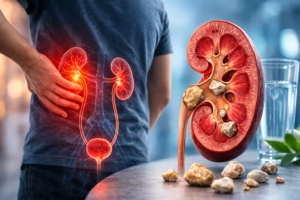
Kidney stones represent a common but potentially preventable condition affecting the urinary system. Their development is influenced by multiple factors including hydration status, dietary habits, metabolic conditions, and genetic predisposition. While treatment options have advanced significantly, preventive strategies remain the most effective approach for reducing recurrence.
By maintaining proper hydration, adopting a balanced diet, and addressing underlying medical conditions, individuals can substantially lower their risk of developing kidney stones. Increased awareness of symptoms and early medical evaluation further supports timely diagnosis and effective management.