Introduction
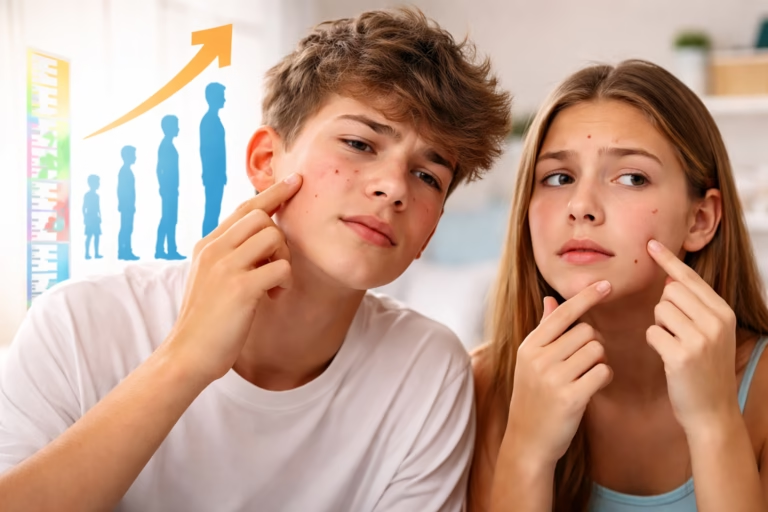
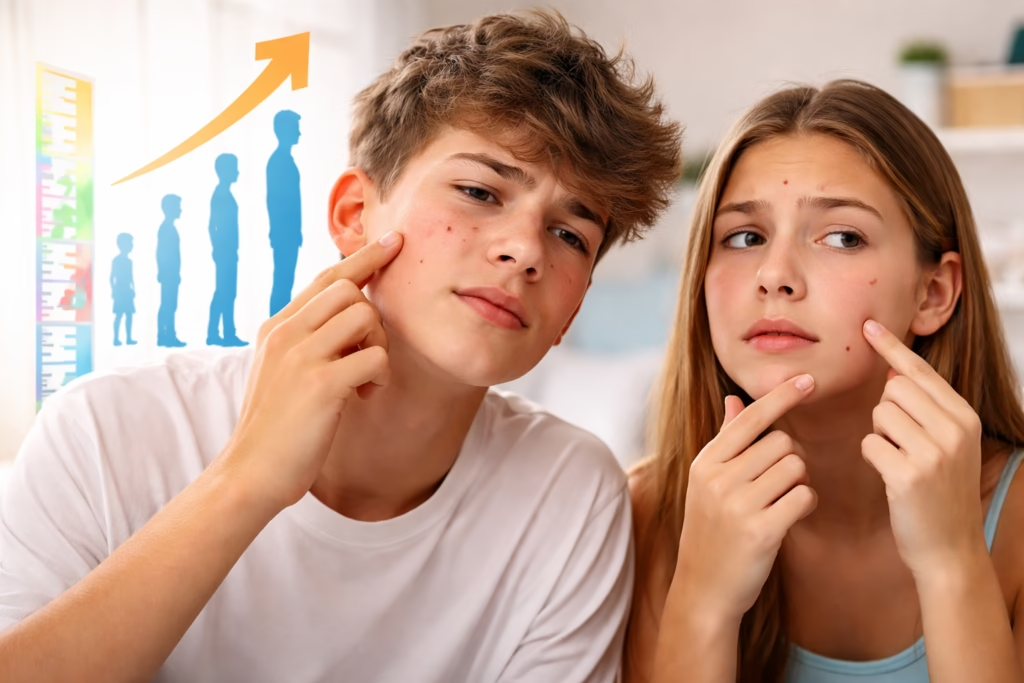
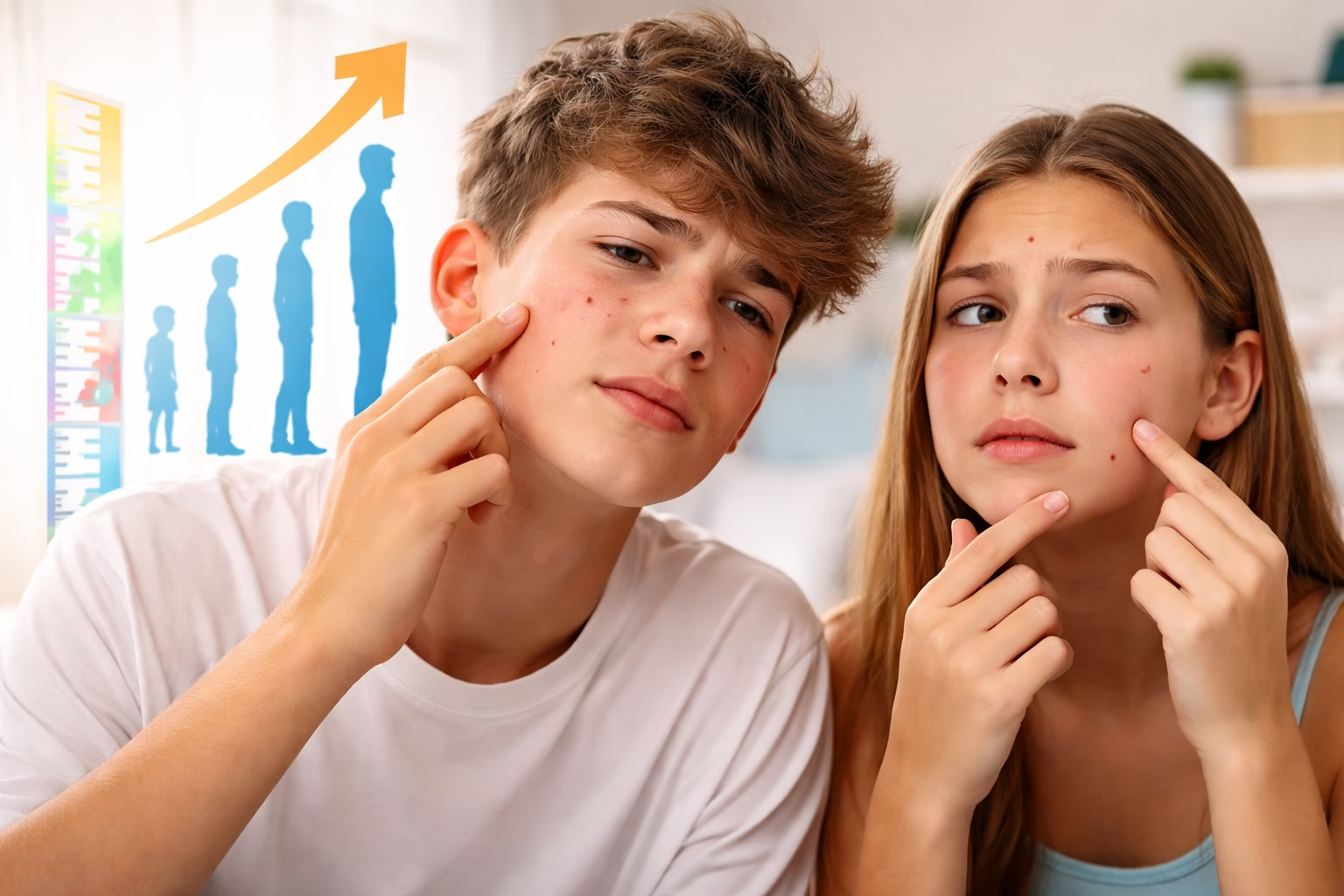
Acne is often the unwelcome companion of adolescence. You might notice new pimples just as you shoot up in height, leading to the question: is acne truly a sign of a growth spurt?
- Acne and growth spurts coincide because puberty hormones increase, but acne is not a direct sign of a growth spurt.
- Androgens and IGF-1 raise sebum and inflammation, which promote clogged pores and pimples during rapid growth.
- Genetics, diet, stress, and poor skincare can worsen acne even if hormones are the primary cause.
- Manage with gentle skincare, balanced diet, stress reduction, and see a dermatologist for severe or persistent acne.
In this post, we’ll explore the link between acne and rapid growth, dive into the hormonal changes of puberty, and share expert tips for keeping your skin clear during these turbulent years. Whether you’re a teen navigating these changes—or a parent looking for answers—read on to learn what really triggers those pesky breakouts.
Understanding the Relationship: Acne and Puberty
During puberty, two major developments occur simultaneously:
-
Your body heightens production of growth hormones, prompting rapid increases in height and weight.
-
Sex hormones (androgens like testosterone) surge, stimulating the oil glands in your skin.
Key Point: While growth spurts and acne happen around the same time, acne isn’t a direct “signal” that you’re about to hit a growth milestone. Instead, both are symptoms of underlying hormonal shifts.
The Role of Hormones in Growth Spurts and Skin Health
Growth Hormone (GH)
-
Produced by the pituitary gland, GH drives bone lengthening and muscle development.
-
GH itself doesn’t clog pores—but it coordinates with other hormones that can.
Androgens
-
Increase sebum (oil) production by activating sebaceous glands.
-
Excess sebum can mix with dead skin cells and bacteria, leading to clogged pores and pimples.
Insulin-Like Growth Factor 1 (IGF-1)
-
Stimulated by GH, IGF-1 plays a part in cell growth throughout the body.
-
Studies suggest IGF-1 can exacerbate acne by promoting inflammation and increased sebum output.
Bottom Line: The hormonal roller coaster of puberty drives both the physical changes of a growth spurt and the skin changes that result in acne.
Factors Influencing Acne During Growth Spurts
Although hormones play the starring role, other factors can make breakouts worse:
-
Genetics: A family history of acne increases your likelihood of developing it.
-
Diet: High-glycemic foods (white bread, sugary drinks) and dairy products may aggravate acne in some teens.
-
Stress: Exams, new social situations, and self-image concerns can spike cortisol levels, further inflaming breakouts.
-
Skincare Habits: Over-scrubbing or using harsh products can irritate skin, while infrequent cleansing allows oil and bacteria to accumulate.
Real-Life Example
Sarah, a 14-year-old tennis player, noticed more pimples on her cheeks and forehead right when she started a summer growth spurt. She also switched to energy bars and sports drinks loaded with sugar—which likely compounded her skin troubles.
Tips for Managing Acne During Periods of Rapid Growth
Navigating acne doesn’t have to be overwhelming. Try incorporating these strategies into your daily routine:
Daily Skincare Basics
-
Cleanse Gently: Use a mild, fragrance-free cleanser twice a day.
-
Moisturize: Opt for a non-comedogenic (won’t clog pores) moisturizer.
-
Sun Protection: Choose an oil-free SPF 30+ sunscreen to prevent post-inflammatory hyperpigmentation.
Lifestyle Adjustments
-
Balanced Diet: Focus on whole grains, lean proteins, fruits, and vegetables.
-
Hydration: Aim for 6–8 glasses of water daily to support healthy skin turnover.
-
Stress Management: Practice yoga, meditation, or deep-breathing exercises to keep cortisol in check.
Spot Treatments & Over-the-Counter Remedies
-
Benzoyl Peroxide: Reduces bacteria and unclogs pores (start with 2.5% concentration).
-
Salicylic Acid: Gently exfoliates dead skin cells inside pores.
-
Retinoids: Speeds up cell turnover—available OTC (adapalene) or by prescription.
When to Seek Professional Help
Most adolescent acne can be managed with over-the-counter products and good skincare habits. However, you should consult a dermatologist if:
-
Breakouts are severe or painful (cystic acne).
-
Acne leaves lasting scars or dark spots.
-
OTC treatments cause excessive dryness or irritation.
-
You’ve tried multiple treatments without improvement after 8–12 weeks.
A dermatologist may recommend:
-
Prescription topical treatments (stronger retinoids, antibiotics).
-
Oral medications (antibiotics, hormonal therapy like birth control pills, or isotretinoin).
-
In-office procedures (light therapy, chemical peels).
Conclusion
While acne often coincides with periods of rapid growth, it’s not a crystal-clear “sign” that a growth spurt is imminent. Both acne and growth spurts are driven by the same hormonal changes of puberty.
By understanding this connection, maintaining a consistent skincare routine, and making healthy lifestyle choices, you can keep breakouts under control—even as you shoot up in height. If over-the-counter options aren’t enough, never hesitate to seek professional advice. With the right support and strategies, you’ll navigate these teenage years with clearer skin and greater confidence.
Further Reading
can tooth infections cause ear pain
3 tog sleeping bag temperature guide
What Type of Psychotherapy Is Best for Anxiety?