Introduction
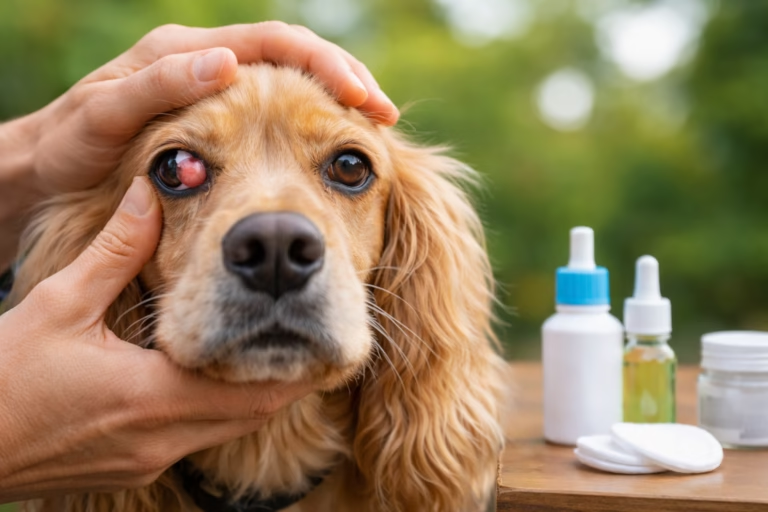
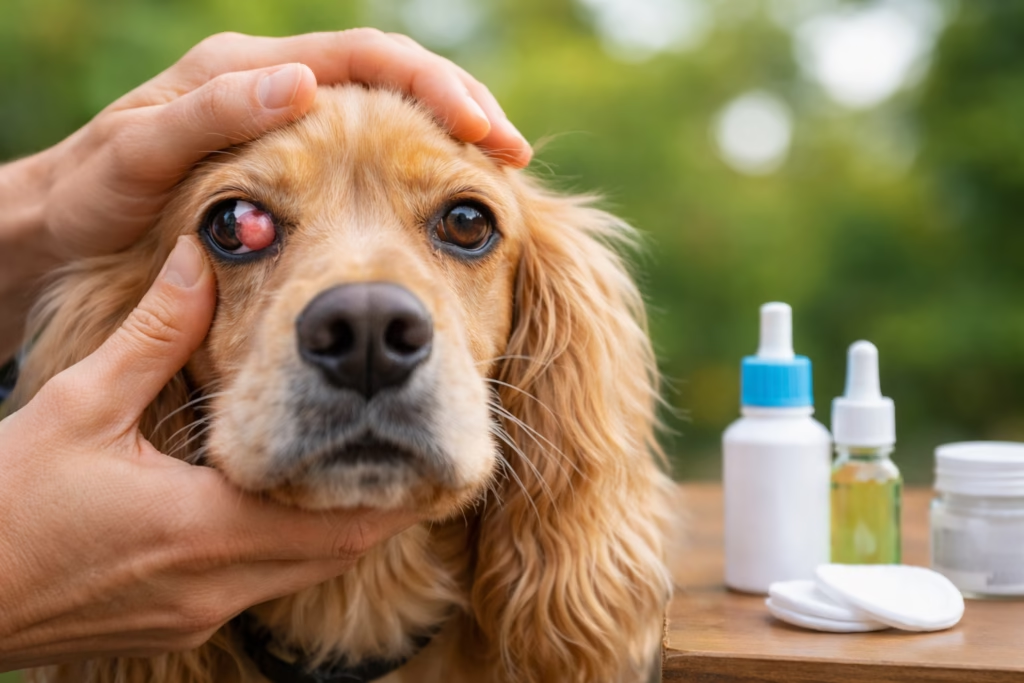
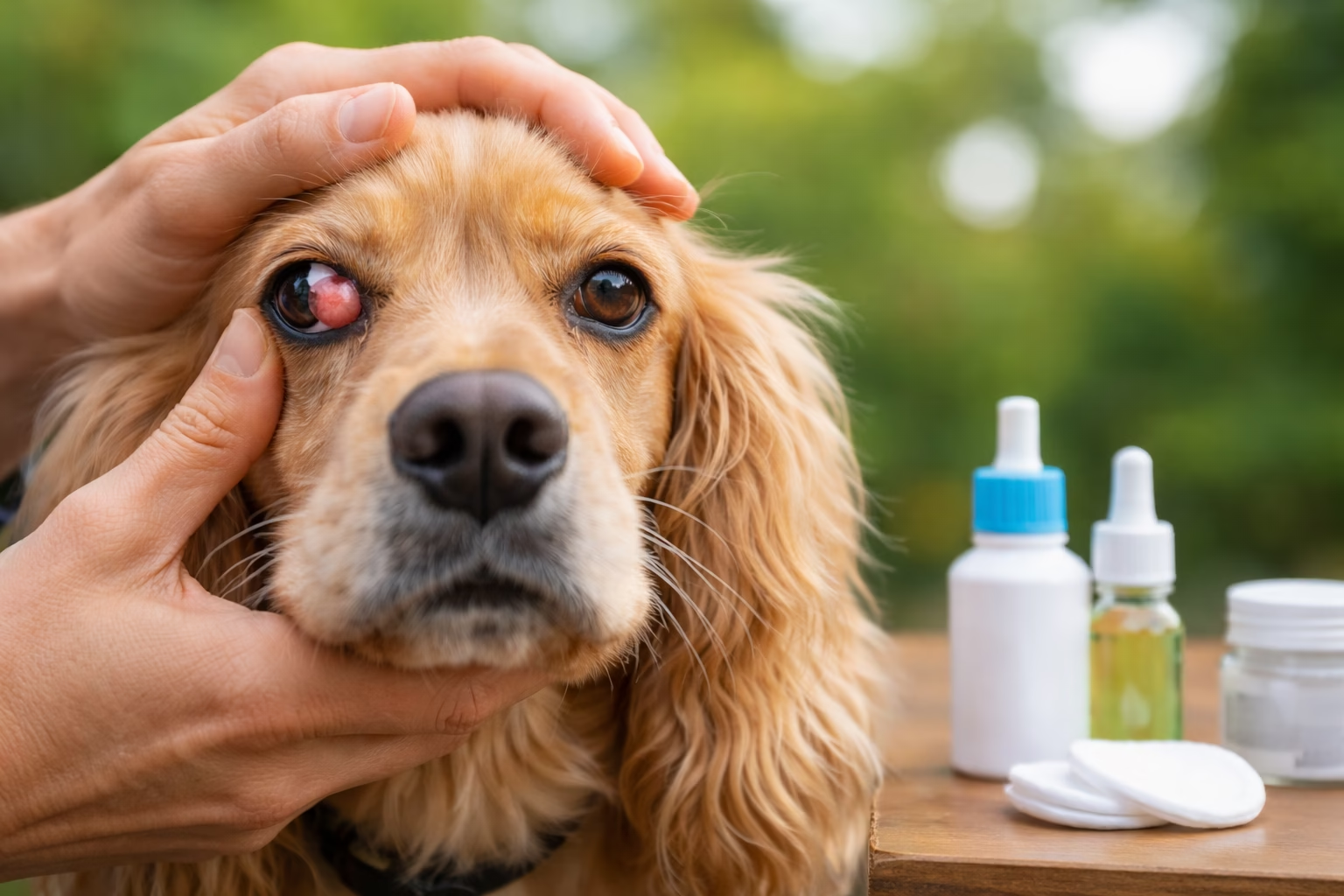
Cherry eye is a condition in dogs characterized by the prolapse of the gland of the third eyelid, which appears as a red, swollen mass in the corner of the eye. Although the condition is generally not life threatening, it can cause discomfort, irritation, and long term complications if not properly managed.
- Consult a veterinarian before any home treatment to confirm diagnosis and tailor safe, appropriate care.
- Manual gland repositioning may provide temporary relief but should be performed only with veterinary instruction to avoid tissue damage.
- Use prescribed anti inflammatory drops and dog safe lubricants; avoid human medications without veterinary approval.
- Non surgical methods are supportive only; monitor closely and seek surgery if redness, discharge, or recurrence worsen.
Certain breeds such as Bulldogs, Beagles, Cocker Spaniels, and Shih Tzus are genetically predisposed to this condition due to weaker connective tissue that supports the gland. While surgical correction remains the most effective and permanent treatment, many pet owners explore non surgical approaches. These may be used in mild cases, as temporary relief before surgery, or as supportive care alongside veterinary treatment.
This article provides a detailed explanation of safe, veterinarian informed non surgical strategies, emphasizing both their benefits and limitations.
Why Surgery Is Often Recommended
Before considering non surgical options, it is essential to understand why veterinarians commonly recommend surgery.
First, the third eyelid gland plays a critical role in tear production, contributing up to 30 to 50 percent of the eye’s tear film. When the gland is prolapsed, its function becomes compromised, which can lead to dryness and irritation.
Second, untreated cherry eye may result in chronic inflammation, scarring, or infections. Over time, this can progress to keratoconjunctivitis sicca, also known as dry eye, a condition that can significantly impair vision and comfort.
Third, surgical repositioning of the gland typically provides the highest long term success rate, as it restores the gland to its normal anatomical position.
Therefore, non surgical approaches should be viewed as temporary or supportive, rather than permanent solutions.
Section 1: Consult Your Veterinarian First
Before attempting any home based treatment, professional evaluation is essential.
A veterinarian will first confirm the diagnosis, as cherry eye can sometimes be confused with other conditions such as conjunctivitis, eyelid tumors, or foreign body irritation. Misdiagnosis may lead to inappropriate treatment and worsening of the condition.
The veterinarian will also assess the severity of the prolapse. In very mild cases, conservative management may provide short term improvement. However, in more advanced cases, delaying surgery may increase the risk of complications.
Additionally, underlying factors such as allergies, infections, or immune related conditions should be ruled out, as these can worsen inflammation and hinder recovery.
Consultation ensures that any non surgical approach is safe, appropriate, and tailored to the individual dog.
Section 2: Manual Gland Repositioning
In mild cases, manual repositioning may be attempted under professional guidance.
This technique involves gently pressing the prolapsed gland back into its normal position beneath the third eyelid. The purpose is to temporarily restore the gland’s position and reduce irritation.
To perform this safely:
- Hands must be thoroughly cleaned to prevent infection
- A sterile glove or lubricated applicator is used to minimize friction
- The dog’s head must be stabilized to avoid sudden movement
- Gentle pressure is applied toward the base of the third eyelid
This method may provide temporary improvement; however, the gland often returns to its prolapsed position because the underlying structural weakness remains uncorrected.
Improper technique can damage delicate eye tissues, which is why this method should only be performed after instruction from a veterinary professional.
Section 3: Topical Anti Inflammatory Treatments
Inflammation is a key component of cherry eye, and reducing it can improve comfort and appearance.
Prescription Treatments
Veterinarians may prescribe:
- Corticosteroid eye drops such as prednisolone to reduce swelling
- Immunomodulating agents such as cyclosporine or tacrolimus to address immune mediated inflammation
These medications help decrease redness and swelling, making the gland less prominent and reducing irritation.
Over the Counter Lubricants
Artificial tear solutions containing ingredients such as hypromellose or carboxymethylcellulose help maintain eye moisture and protect the surface of the eye.
Lubrication is important because the exposed gland can dry out more easily, increasing discomfort and risk of damage.
It is critical to avoid using human medications without veterinary approval, as some substances may be harmful to dogs.
Section 4: Cold Compress Therapy
Cold compresses can help reduce swelling and provide temporary relief.
When applied gently, cold therapy causes vasoconstriction, which reduces blood flow to the area and limits fluid accumulation. This can make the gland appear less swollen and reduce discomfort.
To apply safely:
- Wrap a cold pack or ice in a clean cloth
- Apply gently to the closed eyelid for 3 to 5 minutes
- Repeat two to three times daily
Direct contact with ice should be avoided, as it can damage sensitive eye tissues. This method is supportive and does not correct the underlying issue.
Section 5: Nutritional and Supplement Support
Nutrition plays a supportive role in managing inflammation and promoting overall health.
Omega 3 Fatty Acids
Omega 3 fatty acids, commonly found in fish oil, have anti inflammatory properties. They may help reduce tissue irritation and support eye health.
Antioxidant Vitamins
Vitamins A, C, and E contribute to cell repair and immune function. These nutrients help the body respond to inflammation and support tissue healing.
Probiotics
Probiotics improve gut health, which is closely linked to immune system function. A balanced immune response may help reduce chronic inflammation.
While supplements can support general health, they are not a direct treatment for cherry eye and should be used under veterinary guidance to ensure proper dosage and safety.
Section 6: Herbal and Homeopathic Remedies
Some pet owners explore natural remedies as complementary therapies. These should always be used cautiously and under veterinary supervision.
Eyebright (Euphrasia)
Eyebright is traditionally used for eye irritation. When properly diluted and approved by a veterinarian, it may provide mild soothing effects.
Chamomile Compresses
Cool chamomile tea bags may be applied gently to the eyelid to provide anti inflammatory and calming effects. It is important to ensure the tea is caffeine free and fully cooled.
Homeopathic Remedies
Substances such as Pulsatilla or Belladonna are sometimes used in homeopathy. However, their effectiveness varies, and they should only be administered by a qualified veterinary homeopath.
Natural remedies may provide comfort but do not address the structural cause of the condition.
Section 7: Gentle Massage and Third Eyelid Exercises
Massage techniques can help improve circulation and lymphatic drainage around the eye.
To perform safely:
- Wash hands thoroughly
- Use a clean fingertip to gently massage the inner eyelid toward the nasal area
- Perform for one to two minutes once or twice daily
This may help reduce mild swelling and improve fluid movement. In some cases, it can be combined with gentle repositioning techniques.
However, this approach offers only temporary relief and does not prevent recurrence.
Section 8: Monitoring and Follow Up
Because non surgical treatments do not provide permanent correction, careful monitoring is essential.
Pet owners should observe:
- How often the gland reappears after repositioning
- Changes in redness, swelling, or discharge
- Signs of discomfort such as pawing, squinting, or excessive tearing
Regular veterinary checkups allow for reassessment of the condition. If symptoms worsen or fail to improve, surgical intervention may become necessary to protect long term eye health.
Conclusion
Non surgical management of cherry eye in dogs can provide temporary relief, reduce inflammation, and support overall comfort. Approaches such as manual repositioning, topical treatments, cold therapy, and nutritional support may help manage mild cases or serve as interim solutions.
However, it is important to recognize that these methods do not correct the underlying anatomical issue. Surgical treatment remains the most reliable option for long term resolution and prevention of complications such as dry eye.
With proper veterinary guidance, attentive care, and early intervention, pet owners can effectively manage symptoms and make informed decisions about the best course of treatment for their dog’s eye health.
Disclaimer
This article is intended for informational purposes only and does not replace professional veterinary advice. Always consult a licensed veterinarian before initiating any treatment for your pet.