
Introduction
Whether you’re a weekend jogger or training for your next marathon, you’ve probably heard the age-old warning: “Running is terrible for your knees.” But is that really true?
- Moderate running can strengthen muscles, improve cartilage health, and support healthy weight, benefiting knee joints when done correctly.
- Common runner injuries include patellofemoral pain, IT band syndrome, tendinitis, and possible long-term osteoarthritis risk.
- Prevent with gradual training increases, proper footwear and form, strength work, cross-training, and seek care for persistent pain.
In this post, we’ll separate myth from fact and give you the lowdown on how running affects your knees, both the good and the bad. You’ll learn the biomechanics behind every stride, discover common knee issues, and pick up practical tips to keep your joints healthy mile after mile.
Why This Matters
-
This post is structured for easy scanning, with clear subheadings, bullet points, and actionable takeaways.
-
By understanding how running impacts your knees, you’ll run smarter, not harder.
The Biomechanics of Running and Your Knees
Every time your foot strikes the ground, your knees absorb a shock force roughly two to three times your body weight. Here’s a simplified breakdown:
Foot Strike
-
Heel-strike runners exert a different load pattern than midfoot or forefoot strikers.
-
Impact travels up the shin to the knee joint.
Knee Flexion and Extension
-
As your knee bends (flexion), it absorbs impact and helps propel you forward.
-
Extension locks the joint momentarily before your weight shifts to the other leg.
Muscle and Cartilage Role
-
Quadriceps, hamstrings, and calf muscles act like natural shock absorbers.
-
Articular cartilage cushions the joint surfaces; synovial fluid lubricates movement.
Understanding these mechanics helps explain why proper form, muscle strength, and gradual training are essential.
The Surprising Benefits of Running on Knee Health
Contrary to popular belief, regular, moderate running can actually be good for your knees:
Strengthens Supporting Muscles
-
Builds quadriceps, hamstrings, and gluteal muscles.
-
Better muscle balance means less strain on the joint itself.
Improves Cartilage Health
-
Moderate impact stimulates cartilage maintenance.
-
Helps circulate synovial fluid, providing nutrients to joint surfaces.
Promotes Healthy Weight
-
Lower body weight reduces cumulative joint stress.
-
Even losing 5–10 pounds can reduce stress on your knees by 15–20%.
Common Knee Problems in Runners
Even the most dedicated runner isn’t immune to injury. Here are some frequent culprits:
Runner’s Knee (Patellofemoral Pain Syndrome)
-
Pain under or around the kneecap.
-
Often caused by muscle imbalances or improper tracking of the patella.
Iliotibial (IT) Band Syndrome
-
Pain on the outer side of the knee.
-
The IT band rubs against the thigh bone, especially during downhill running.
Tendinitis
-
Inflammation of the patellar or quadriceps tendon.
-
Overuse, sudden mileage jumps, or weak muscles can trigger it.
Osteoarthritis
-
Degeneration of joint cartilage.
-
High-impact running over decades may contribute—but research is mixed.
Key Factors That Influence Knee Health
Not all running is created equal. Your risk of knee trouble depends on:
Training Volume & Intensity
-
Sudden mileage spikes (more than 10% per week) boost injury risk.
-
Incorporate rest days and “easy” runs to recover.
Running Surface
-
Concrete is harsh; asphalt and well-maintained trails are kinder.
-
Mix in softer surfaces to reduce cumulative impact.
Footwear and Orthotics
-
Replace running shoes every 300–500 miles.
-
Consider custom orthotics if you have overpronation or high arches.
Running Form
-
A slight forward lean, midfoot strike, and shorter stride can ease knee stress.
-
Work with a coach or video-analysis app for feedback.
Prevention & Management Strategies
Protecting your knees means more than just icing after a run. Here’s a structured plan:
Warm-Up and Dynamic Stretching
-
Leg swings, walking lunges, and miniband side steps.
-
Increases blood flow and joint mobility.
Strength & Stability Exercises
-
Squats, lunges, step-downs, and single-leg deadlifts.
-
Hip and core work (clamshells, planks) to improve alignment.
Cross-Training
-
Cycling, swimming, and elliptical sessions to maintain fitness with less impact.
-
Yoga or Pilates for flexibility and balance.
Proper Cool-Down
-
Foam rolling quads, IT band, and calves.
-
Static stretches for hamstrings and hip flexors.
Recovery Techniques
-
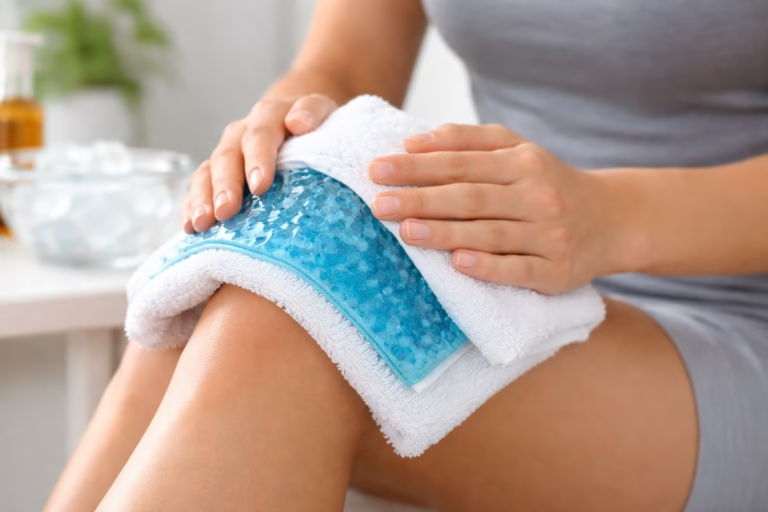
Ice or contrast baths after tough runs.
-
Massage or myofascial release to reduce muscle tightness.
When to Seek Professional Help
Even the best prevention plan can’t eliminate every ache. Consult a sports medicine specialist if you notice:
-
Persistent pain lasting more than two weeks
-
Swelling, redness, or warmth around the joint
-
Limited range of motion or popping/clicking
-
Pain that disrupts daily activities or sleep
Conclusion
Running doesn’t have to be a death sentence for your knees—in fact, when approached thoughtfully, it can be a powerful tool for joint health, weight management, and overall fitness.
By understanding the biomechanics, recognizing common injuries, and adopting smart training habits, you can run confidently for years to come. Ready to hit the pavement with new knowledge? Lace up your shoes, warm up properly, and go enjoy the run—your knees will thank you!
Call to Action
Have you battled knee pain while running? Share your experience or tips in the comments below.
And if you found this guide helpful, please share it with your fellow runners!