Vision Loss: Causes, Symptoms, Diagnosis, and Prevention
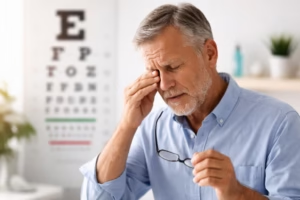
Vision is one of our most vital senses, allowing us to navigate the world, recognize faces, read, and maintain independence. Vision loss, whether gradual or sudden, can significantly affect quality of life. It may range from mild blurriness to complete blindness and can occur at any age.
Understanding the causes, warning signs, and treatment options for vision loss is essential for early detection and better outcomes. In many cases, timely medical care can slow progression or even restore partial vision.
Overview: What Is Vision Loss?
Vision loss refers to a decrease in the ability to see clearly that cannot be corrected with standard glasses, contact lenses, or routine refractive correction. It may affect:
- Central vision (straight-ahead vision used for reading and recognizing faces)
- Peripheral vision (side vision)
- Night vision
- Color vision
- Or the entire visual field
Vision loss can be:
- Sudden or gradual
- Temporary or permanent
- Partial or complete
- Present in one or both eyes
Globally, the most common causes of vision impairment include refractive errors, cataracts, glaucoma, age-related macular degeneration, and diabetic eye disease.
Causes and Risk Factors
Vision loss can result from disorders affecting any part of the visual system, including the eyes, optic nerve, or brain.
Common Causes
1. Refractive Errors
- Nearsightedness (myopia)
- Farsightedness (hyperopia)
- Astigmatism
- Presbyopia (age-related difficulty focusing up close)
These are often correctable but can contribute to visual impairment if untreated.
2. Cataracts
Clouding of the eye’s natural lens, typically age-related, leading to blurred or dim vision.
3. Glaucoma
A group of conditions that damage the optic nerve, often due to elevated intraocular pressure. It can cause gradual peripheral vision loss.
4. Age-Related Macular Degeneration (AMD)
A degenerative condition affecting the central retina (macula), leading to central vision loss in older adults.
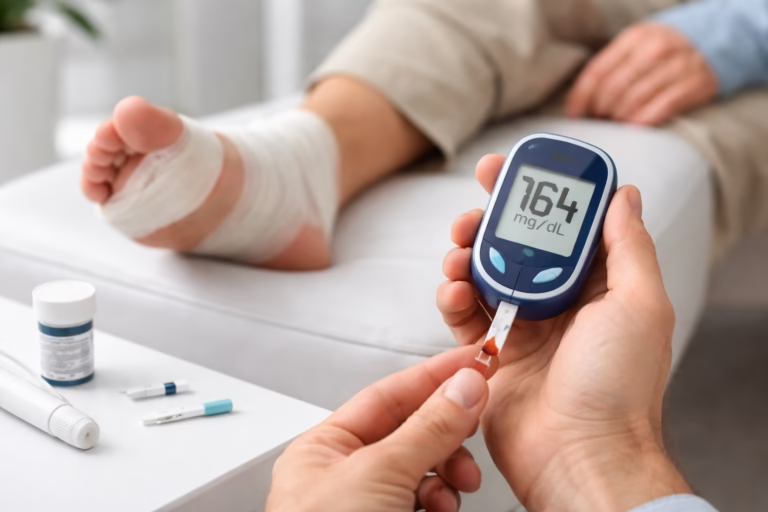
5. Diabetic Retinopathy
Damage to retinal blood vessels caused by diabetes. It is a leading cause of blindness in working-age adults.
6. Retinal Detachment
A medical emergency where the retina separates from underlying tissue.
7. Stroke or Neurological Conditions
Brain injury or vascular events can impair visual processing.
Risk Factors
Certain individuals are at higher risk for vision loss, including:
- Adults over age 60
- People with diabetes or high blood pressure
- Individuals with a family history of eye disease
- Smokers
- People with prolonged unprotected UV exposure
- Individuals with a history of eye injury
Symptoms and Clinical Presentation
The symptoms of vision loss depend on the underlying cause and the part of the visual system affected.
Common Symptoms Include:
- Blurry or distorted vision
- Difficulty seeing at night
- Loss of peripheral (side) vision
- Central dark or empty spots
- Sensitivity to light
- Double vision
- Sudden flashes of light or floaters
- Partial or complete blindness
Warning Signs That Require Immediate Medical Attention:
- Sudden, painless vision loss
- A curtain-like shadow across vision
- Sudden flashes and new floaters
- Eye pain with vision changes
Sudden vision changes are considered a medical emergency and should be evaluated promptly.
Diagnosis and Screening
Early detection plays a critical role in preserving eyesight.
Diagnostic Evaluation May Include:
- Visual acuity testing (eye chart)
- Dilated eye examination to examine the retina
- Tonometry to measure eye pressure (for glaucoma)
- Optical coherence tomography (OCT) to image retinal structures
- Visual field testing
- Retinal photography
- Blood tests (if systemic disease is suspected)
Recommended Screening
- Comprehensive eye exams every 1–2 years for adults over 60
- Annual dilated eye exams for individuals with diabetes
- Earlier and more frequent exams for high-risk individuals
Routine eye examinations can detect conditions before symptoms develop.
Treatment and Management Options
Treatment depends entirely on the underlying cause of vision loss.
Common Treatment Approaches
For Refractive Errors
- Prescription glasses or contact lenses
- Refractive surgery (e.g., LASIK)
For Cataracts
- Surgical removal of the cloudy lens
- Intraocular lens implantation
Cataract surgery is highly effective and commonly restores vision.
For Glaucoma
- Prescription eye drops
- Laser therapy
- Surgical procedures
- Long-term monitoring
Early treatment prevents further optic nerve damage but does not reverse past loss.
For Age-Related Macular Degeneration
- Anti-VEGF injections (for wet AMD)
- Nutritional supplements (AREDS formulation for certain stages)
- Vision rehabilitation support
For Diabetic Retinopathy
- Blood sugar control
- Laser therapy
- Intravitreal injections
- Surgery (vitrectomy in advanced cases)
Vision Rehabilitation
When vision cannot be restored, services may include:
- Low-vision aids (magnifiers, special lenses)
- Assistive technology
- Occupational therapy
- Orientation and mobility training
Prevention and Lifestyle Considerations
While not all causes of vision loss are preventable, healthy habits can significantly reduce risk.
Steps to Protect Your Vision
- Control blood sugar, blood pressure, and cholesterol
- Stop smoking
- Wear UV-protective sunglasses outdoors
- Use protective eyewear during hazardous activities
- Maintain a diet rich in leafy greens and omega-3 fatty acids
- Limit digital eye strain by practicing the 20-20-20 rule
(Every 20 minutes, look at something 20 feet away for 20 seconds.) - Get regular comprehensive eye exams
Healthy lifestyle choices play an important role in long-term eye health.
Conclusion
Vision loss can range from mild impairment to complete blindness and may develop gradually or suddenly. Common causes include cataracts, glaucoma, macular degeneration, and diabetic eye disease. Early detection, routine screening, and timely treatment are critical to preserving eyesight.
Many forms of vision loss are preventable or manageable when addressed early. Staying informed, maintaining regular eye examinations, and managing chronic health conditions can significantly reduce your risk.
Disclaimer
This article is intended for educational purposes only and does not replace professional medical advice. If you experience changes in your vision or have concerns about your eye health, please consult a qualified healthcare professional for a thorough evaluation and appropriate care.