Vaccines: How They Work, Why They Matter, and What You Should Know
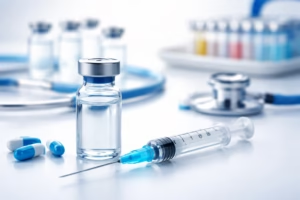
Vaccines are one of the most significant achievements in modern medicine. They have prevented millions of deaths worldwide, reduced the spread of infectious diseases, and eliminated or nearly eliminated illnesses that once caused widespread suffering. From childhood immunizations to adult booster shots, vaccines play a critical role in individual and public health.
This article provides a medically accurate, easy-to-understand overview of vaccines, including how they work, why they’re important, possible side effects, and how they contribute to disease prevention.
Overview: What Are Vaccines?
A vaccine is a biological preparation that helps the immune system recognize and defend against harmful pathogens such as bacteria or viruses.
Vaccines work by safely exposing the immune system to a weakened, inactivated, or partial form of a pathogen (or instructions for making part of it). This exposure does not cause the disease but trains the immune system to recognize and fight it in the future.
Types of Vaccines
There are several types of vaccines, including:
- Live attenuated vaccines (e.g., measles, mumps, rubella – MMR)
- Inactivated vaccines (e.g., inactivated polio vaccine)
- mRNA vaccines (e.g., certain COVID-19 vaccines)
- Subunit, recombinant, or conjugate vaccines (e.g., HPV, hepatitis B)
- Toxoid vaccines (e.g., tetanus, diphtheria)
Each type stimulates immunity in a slightly different way, but all aim to prevent disease safely and effectively.
Causes or Risk Factors: Why Are Vaccines Needed?
Vaccines protect against infectious diseases caused by viruses or bacteria. Without vaccination, individuals may be at risk of contracting serious diseases such as:
- Measles
- Influenza
- COVID-19
- Tetanus
- Hepatitis B
- Human papillomavirus (HPV)
- Pneumococcal disease
- Polio
Risk Factors for Vaccine-Preventable Diseases
Some individuals are at higher risk for severe illness from infections, including:
- Infants and young children
- Adults over age 65
- Pregnant individuals
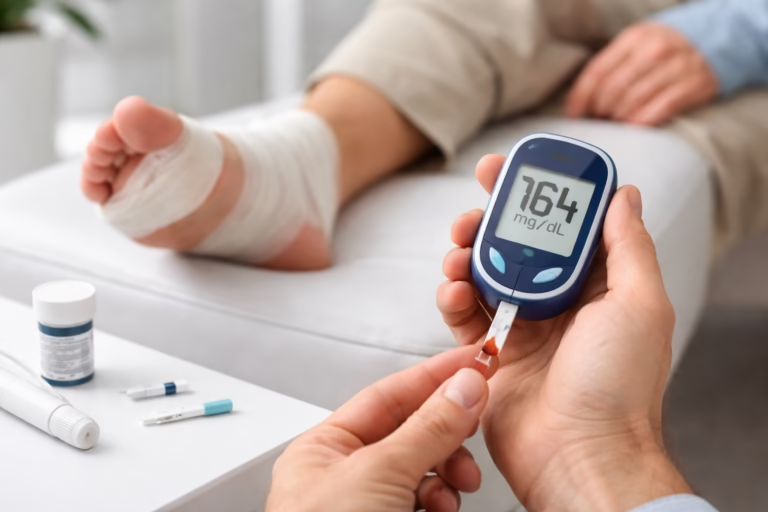
- People with chronic medical conditions (e.g., diabetes, heart disease)
- Immunocompromised individuals
- Healthcare workers or those with high exposure risk
- Unvaccinated populations
When vaccination rates decline, outbreaks of preventable diseases can occur.
Symptoms or Clinical Presentation of Vaccine-Preventable Diseases
The symptoms of vaccine-preventable diseases vary depending on the infection. Some examples include:
Measles
- High fever
- Cough
- Rash
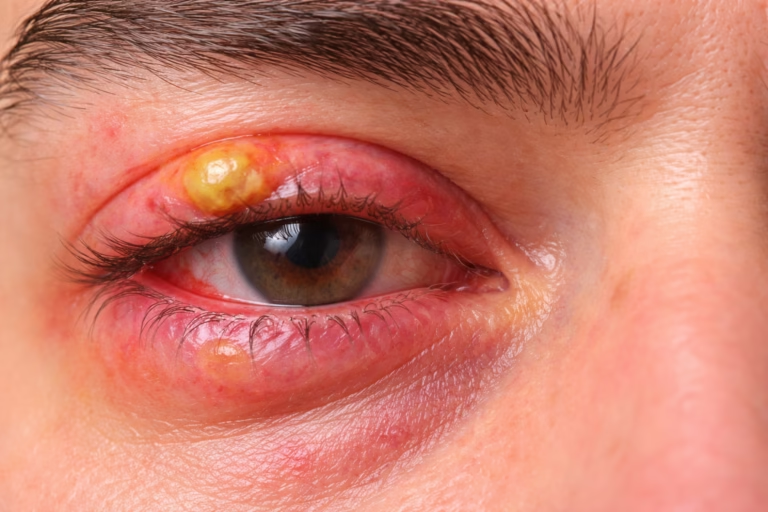
- Conjunctivitis (red eyes)
- Potential complications: pneumonia or encephalitis
Influenza (Flu)
- Fever and chills
- Muscle aches
- Fatigue
- Cough
- Possible complications: pneumonia, hospitalization
Tetanus
- Muscle stiffness
- Lockjaw
- Difficulty swallowing
- Painful muscle spasms
HPV
- Often asymptomatic
- Can lead to cervical, throat, and other cancers over time
Vaccines significantly reduce the risk of developing these conditions and their complications.
Diagnosis or Screening
Vaccination itself does not require complex diagnostic testing. However:
- Medical history review is important to determine which vaccines are recommended.
- Individuals with certain conditions may require specific schedules.
- Serologic testing (blood tests) may occasionally be used to confirm immunity.
For vaccine-preventable diseases, diagnosis may include:
- Physical examination
- Laboratory testing (e.g., PCR tests, blood tests)
- Imaging in complicated cases
Timely vaccination often reduces the need for such diagnostic interventions.
Treatment or Management Options
For Infectious Diseases
Management depends on the specific disease and may include:
- Antiviral or antibiotic medications
- Supportive care (hydration, fever control)
- Hospitalization for severe cases
- Intensive care in life-threatening infections
However, treatment does not always prevent complications. That is why prevention through vaccination is more effective than treatment after infection.
For Vaccine Side Effects
Vaccines are extensively studied for safety. Most side effects are mild and temporary, such as:
- Pain or swelling at the injection site
- Mild fever
- Fatigue
- Headache
Serious adverse events are rare. Healthcare providers monitor for and manage any unexpected reactions.
Prevention and Public Health Impact
Vaccines are a cornerstone of preventive medicine.
Individual Protection
Vaccination:
- Reduces risk of infection
- Prevents severe disease
- Lowers risk of complications
- Decreases healthcare costs
Community Protection (Herd Immunity)
When a large percentage of a population is vaccinated:
- Disease spread is limited
- Vulnerable individuals (e.g., newborns, immunocompromised people) are protected
- Outbreaks become less likely
Recommended Immunizations
Vaccination schedules may include:
- Childhood vaccines (e.g., MMR, DTaP, polio)
- Adolescent vaccines (e.g., HPV, meningococcal)
- Adult boosters (e.g., tetanus every 10 years)
- Seasonal vaccines (e.g., influenza)
- Travel vaccines (e.g., yellow fever)
- COVID-19 vaccines
Schedules may vary by country and individual health status.
Safety and Monitoring
Vaccines undergo rigorous testing before approval, including:
- Laboratory research
- Clinical trials (Phase I–III)
- Regulatory review
- Ongoing safety monitoring after approval
Post-marketing surveillance systems continuously monitor adverse events to ensure public safety.
Major medical and public health organizations worldwide support vaccination based on strong scientific evidence.
Conclusion: Why Vaccines Matter
Vaccines are among the safest and most effective tools in modern medicine. They protect individuals from potentially life-threatening infections, reduce the burden on healthcare systems, and safeguard communities through herd immunity.
While mild side effects can occur, the benefits of vaccination overwhelmingly outweigh the risks. Staying up to date with recommended immunizations is an essential step in maintaining overall health.
Disclaimer: This article is for educational purposes only and does not replace professional medical advice. Always consult a qualified healthcare provider for personalized guidance regarding vaccinations or medical concerns.
By understanding how vaccines work and why they are important, individuals can make informed decisions that support both personal and public health.