Toenail Problems: Causes, Symptoms, and Treatment Options
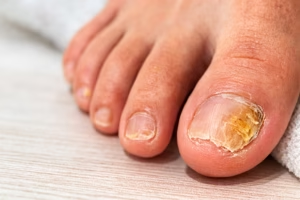
Toenails may seem like a small part of the body, but they play an important role in protecting the toes and supporting balance while walking. When something goes wrong—whether it’s discoloration, thickening, pain, or changes in shape—it can affect comfort, mobility, and even overall health. Toenail problems are common and can affect people of all ages.
Understanding the causes, warning signs, and available treatments for toenail issues can help you recognize when simple self-care is enough and when professional evaluation is necessary. This guide explores common toenail problems in a clear, medically accurate, and easy-to-understand way.
Overview: What Are Toenail Problems?
Toenail problems refer to any abnormal changes in the color, shape, texture, thickness, or integrity of the toenails. Healthy toenails are typically:
- Smooth
- Uniform in color (usually pale pink)
- Firm but slightly flexible
- Free from pain or discharge
When these characteristics change, it may signal infection, injury, an underlying medical condition, or other factors affecting nail health.
Common toenail conditions include:
- Fungal infections (onychomycosis)
- Ingrown toenails
- Toenail trauma or injury
- Thickened nails
- Discoloration
- Brittle or splitting nails
- Nail psoriasis
Causes and Risk Factors
Toenail problems can develop due to a wide range of causes. Some are local (limited to the toe itself), while others may reflect broader health issues.
1. Fungal Infections (Onychomycosis)
A very common cause of toenail changes, fungal infections thrive in warm, moist environments such as shoes or locker rooms.
Risk factors include:
- Wearing tight or non-breathable footwear
- Sweaty feet
- Walking barefoot in public areas
- Diabetes
- Weakened immune system
- Older age
2. Ingrown Toenails
This occurs when the edge of the nail grows into the surrounding skin, causing inflammation and pain.
Possible causes:
- Improper nail trimming (cutting nails too short or rounded)
- Tight shoes
- Toe injury
- Genetic nail shape
3. Trauma or Injury
Stubbing a toe or dropping something on it can result in:
- Bruising (subungual hematoma)
- Nail lifting
- Nail loss
Repeated microtrauma (e.g., from long-distance running) can also damage nails over time.
4. Skin or Systemic Conditions
Certain medical conditions can affect toenails:
- Psoriasis – may cause pitting, thickening, or discoloration
- Eczema – can lead to brittle or ridged nails
- Peripheral vascular disease – may slow nail growth
- Thyroid disorders – may affect nail strength
- Diabetes – increases infection risk
Symptoms and Clinical Presentation
Toenail problems can manifest in various ways, depending on the underlying cause.
Common Signs and Symptoms
- Yellow, white, or brown discoloration
- Thickened or brittle nails
- Distorted nail shape
- Crumbly edges
- Separation of nail from nail bed
- Pain or tenderness
- Swelling or redness around the nail
- Pus or drainage (in cases of infection)
When to Seek Medical Attention
You should consider medical evaluation if you experience:
- Persistent pain
- Spreading redness or swelling
- Fever (possible severe infection)
- Rapidly worsening discoloration
- Nail changes along with other unexplained symptoms
- Any foot problem if you have diabetes
Diagnosis and Screening
Healthcare professionals diagnose toenail problems through:
1. Clinical Examination
A visual inspection often provides significant clues about the underlying condition.
2. Laboratory Testing (If Needed)
For suspected fungal infections:
- Nail clipping analysis
- Microscopic examination
- Fungal culture
Testing is important because not all discolored or thickened nails are fungal. Accurate diagnosis helps ensure appropriate treatment.
In some cases, nail changes may prompt evaluation for systemic conditions.
Treatment and Management Options
Treatment depends on the cause of the toenail problem.
1. Fungal Infections
Treatment options include:
- Topical antifungal medications
- Applied directly to the nail
- Often mild but require long-term use
- Oral antifungal medications
- More effective for moderate to severe infections
- Prescribed and monitored by a physician
- Laser therapy
- Used in some cases
- Evidence varies regarding long-term effectiveness
Treatment may take several months because toenails grow slowly.
2. Ingrown Toenails
Mild cases may be managed with:
- Warm saltwater soaks
- Proper nail trimming
- Wearing wider shoes
More severe or recurrent cases may require:
- Partial nail removal
- Minor surgical procedures
- Antibiotics (if infection is present)
3. Nail Trauma
Management depends on severity:
- Minor bruising typically resolves on its own
- Painful blood buildup under the nail may require drainage
- Severely damaged nails may fall off and regrow over months
4. Nail Changes Due to Underlying Conditions
Treatment focuses on managing the underlying disorder. For example:
- Psoriasis treatments
- Improved blood sugar control in diabetes
- Thyroid regulation
Prevention and Lifestyle Considerations
While not all toenail problems are preventable, several practical steps can reduce risk:
Foot Hygiene
- Wash and dry feet thoroughly, especially between toes
- Change socks daily
- Wear moisture-wicking socks
Proper Nail Care
- Trim nails straight across
- Avoid cutting nails too short
- Use clean, sanitized tools
Footwear Choices
- Choose properly fitting shoes
- Avoid prolonged use of tight footwear
- Alternate shoes to allow drying time
Public Area Protection
- Wear sandals in locker rooms, pool areas, and communal showers
Medical Monitoring
People with diabetes or circulation problems should:
- Inspect their feet daily
- Seek prompt care for any nail abnormalities
- Attend regular medical check-ups
Conclusion
Toenail problems are common and range from mild cosmetic concerns to potentially serious infections. Common causes include fungal infections, ingrown nails, trauma, and systemic medical conditions. Early recognition and proper treatment are essential to prevent complications, especially in individuals with diabetes or impaired circulation.
Maintaining good foot hygiene, proper nail care, and appropriate footwear can significantly reduce the risk of many toenail issues. If symptoms persist, worsen, or cause discomfort, medical evaluation is important.
Disclaimer: This article is for educational purposes only and does not replace professional medical advice. If you are experiencing toenail problems or have concerns about your foot health, consult a qualified healthcare professional for proper diagnosis and treatment.