Thyroid Disease: Understanding Causes, Symptoms, and Treatment Options
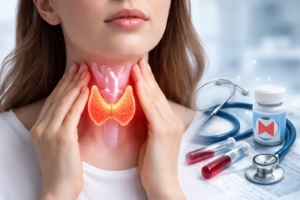
The thyroid may be small, but its impact on your overall health is substantial. This butterfly-shaped gland, located at the base of the neck, plays a critical role in regulating metabolism, energy levels, heart function, and even mood. When the thyroid does not function properly, it can affect nearly every organ system in the body.
Thyroid disease is common worldwide and affects people of all ages, though it is more prevalent in women. Understanding the basics—what it is, why it occurs, and how it’s treated—can help individuals recognize potential concerns and seek timely medical evaluation.
Overview: What Is Thyroid Disease?
Thyroid disease refers to a group of disorders that affect the structure or function of the thyroid gland. The thyroid produces two primary hormones:
- Thyroxine (T4)
- Triiodothyronine (T3)
These hormones regulate how the body uses energy, a process known as metabolism.
The most common types of thyroid disorders include:
- Hypothyroidism – underactive thyroid (produces too little hormone)
- Hyperthyroidism – overactive thyroid (produces too much hormone)
- Thyroid nodules – growths within the thyroid gland
- Thyroiditis – inflammation of the thyroid
- Goiter – enlargement of the thyroid
- Thyroid cancer
Each condition has distinct causes, symptoms, and management approaches.
Causes and Risk Factors
Thyroid disease can result from autoimmune disorders, nutritional imbalances, medications, infections, or structural abnormalities.
Common Causes
Hypothyroidism:
- Hashimoto’s thyroiditis (autoimmune condition)
- Thyroid surgery or radioactive iodine therapy
- Severe iodine deficiency
- Certain medications (e.g., lithium, amiodarone)
Hyperthyroidism:
- Graves’ disease (autoimmune)
- Toxic multinodular goiter
- Thyroiditis
- Excess iodine intake
Thyroid Nodules & Cancer:
- Genetic predisposition
- Radiation exposure (especially during childhood)
- Family history of thyroid cancer or endocrine disorders
Risk Factors
- Female sex
- Family history of thyroid disease
- Pregnancy and the postpartum period
- Age over 60
- Autoimmune conditions (e.g., type 1 diabetes, rheumatoid arthritis)
- Iodine imbalance (deficiency or excess)
Symptoms and Clinical Presentation
Symptoms vary depending on whether the thyroid is underactive or overactive, and they often develop gradually.
Hypothyroidism Symptoms
When thyroid hormone levels are low, body systems slow down. Common symptoms include:
- Fatigue and sluggishness
- Weight gain
- Cold intolerance
- Dry skin and hair loss
- Constipation
- Depression or slowed thinking
- Irregular or heavy menstrual periods
- Slowed heart rate
In severe cases, untreated hypothyroidism can lead to myxedema coma, a rare but life-threatening condition.
Hyperthyroidism Symptoms
Excess thyroid hormone accelerates metabolism. Symptoms may include:
- Unintentional weight loss
- Rapid or irregular heartbeat
- Nervousness or anxiety
- Heat intolerance
- Tremors
- Increased sweating
- Frequent bowel movements
- Sleep disturbances
Graves’ disease may also cause eye symptoms such as bulging eyes (Graves’ ophthalmopathy).
Thyroid Nodules
Most thyroid nodules cause no symptoms and are discovered incidentally. Larger nodules may cause:
- A visible neck lump
- Difficulty swallowing
- Voice changes
Diagnosis and Screening
Thyroid disease is typically diagnosed through a combination of physical examination, blood tests, and imaging.
Blood Tests
The most important laboratory test is:
- Thyroid-Stimulating Hormone (TSH) – the primary screening test
Additional tests may include:
- Free T4 and Free T3
- Thyroid antibody tests (for autoimmune disorders)
Imaging and Procedures
- Ultrasound – evaluates thyroid size and nodules
- Radioactive iodine uptake scan – assesses thyroid activity
- Fine-needle aspiration biopsy (FNA) – tests nodules for cancer
Screening Recommendations
Routine screening in asymptomatic adults remains debated. However, testing is often recommended for:
- Pregnant individuals or those planning pregnancy
- Adults over age 60
- People with autoimmune disorders
- Those with a strong family history of thyroid disease
Treatment and Management Options
Treatment depends on the specific condition and its severity.
Hypothyroidism Treatment
- Levothyroxine (synthetic T4) is the standard treatment
- Lifelong treatment may be required
- Regular blood tests monitor TSH levels to adjust dosage
When properly treated, most individuals lead normal, healthy lives.
Hyperthyroidism Treatment
Options include:
- Antithyroid medications (e.g., methimazole, propylthiouracil)
- Radioactive iodine therapy
- Beta-blockers to manage symptoms like rapid heart rate
- Surgery (thyroidectomy) in select cases
Treatment choice depends on age, underlying cause, pregnancy status, and overall health.
Thyroid Nodules and Cancer
- Benign nodules may only require monitoring
- Suspicious or malignant nodules may need surgical removal
- Thyroid cancer often has an excellent prognosis when detected early
Prevention and Lifestyle Considerations
Not all thyroid conditions can be prevented, particularly autoimmune forms. However, certain lifestyle factors may support thyroid health.
Key Considerations
- Balanced iodine intake:
Adequate iodine is essential, but excessive intake can trigger thyroid dysfunction. In most countries, iodized salt provides sufficient iodine. - Regular medical check-ups:
Particularly for individuals at higher risk. - Medication review:
Discuss potential thyroid effects of medications with a healthcare provider. - Pregnancy monitoring:
Thyroid function is especially important during pregnancy for fetal brain development.
There is currently no strong evidence supporting over-the-counter “thyroid support” supplements for treating thyroid disease. Some supplements may even be harmful.
Conclusion
Thyroid disease encompasses a range of common but manageable conditions that affect metabolism, energy, and overall wellbeing. From hypothyroidism and hyperthyroidism to thyroid nodules and cancer, early recognition and appropriate treatment are key to preventing complications.
Because symptoms can be subtle and overlap with other conditions, proper diagnosis through blood testing and medical evaluation is essential. Fortunately, most thyroid disorders respond very well to evidence-based treatments.
If you suspect a thyroid issue or have risk factors, consult a qualified healthcare professional for evaluation and guidance.
Disclaimer:
This article is for educational purposes only and does not replace professional medical advice. If you have concerns about your thyroid health or are experiencing symptoms, please consult a qualified healthcare provider for personalized evaluation and treatment.