Thrush: Causes, Symptoms, and Effective Treatment Options
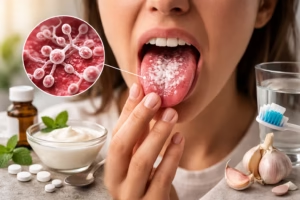
Thrush is a common fungal infection that can affect the mouth, throat, skin, or genital area. While it is often mild and easily treated, it can sometimes signal underlying health issues. Understanding what thrush is, why it develops, and how it’s treated can help individuals recognize symptoms early and seek appropriate care.
This article provides a clear, medically accurate overview of thrush—its causes, symptoms, diagnosis, treatment, and prevention strategies.
Overview / Definition
Thrush is an infection caused by an overgrowth of a type of fungus known as Candida, most commonly Candida albicans. Candida naturally lives on the skin and inside the body (in areas such as the mouth, throat, gut, and vagina) without causing harm.
However, when the body’s natural balance of microorganisms is disrupted, Candida can multiply excessively, leading to infection.
Depending on where it occurs, thrush may be referred to as:
- Oral thrush (oral candidiasis) – affecting the mouth and throat
- Vaginal thrush (vulvovaginal candidiasis) – affecting the genital area
- Cutaneous candidiasis – affecting the skin and skin folds
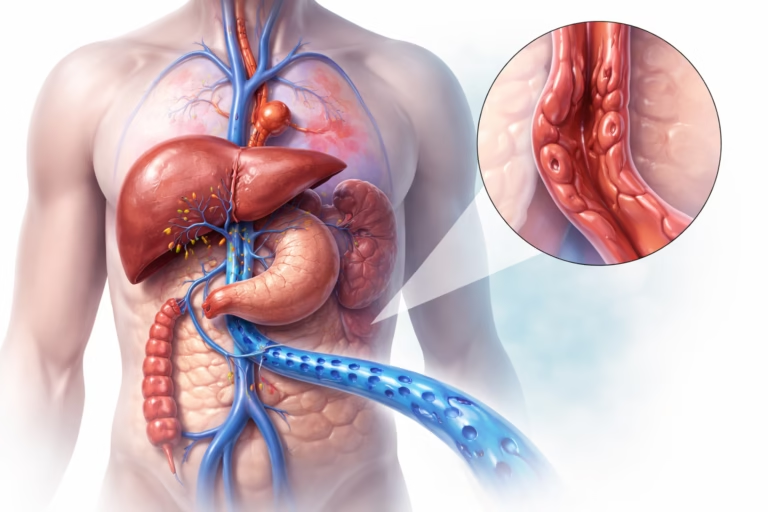
- Invasive candidiasis – a rare but serious bloodstream infection, typically affecting hospitalized or immunocompromised individuals
Causes and Risk Factors
Thrush occurs when the balance between Candida and other microorganisms is disrupted. Several factors may increase the risk of developing an infection.
Common Risk Factors
- Recent antibiotic use (which can reduce beneficial bacteria)
- Weakened immune system, including:
- HIV/AIDS
- Cancer or chemotherapy treatment
- Organ transplantation
- Diabetes, particularly if poorly controlled
- Corticosteroid use, including inhaled steroids for asthma
- Pregnancy (due to hormonal changes)
- Use of dentures, especially if not cleaned properly
- Dry mouth (xerostomia)
- High-sugar diet (may promote fungal growth)
- Tight or non-breathable clothing (in cases of vaginal or skin thrush)
Infants and older adults are also more susceptible, especially to oral thrush.
Symptoms or Clinical Presentation
Symptoms vary depending on the location of the infection.
Oral Thrush
- Creamy white patches on the tongue, inner cheeks, gums, or throat
- Redness or soreness inside the mouth
- Cracking at the corners of the mouth (angular cheilitis)
- Difficulty swallowing (in more severe cases)
- Altered taste sensation
Infants with oral thrush may have difficulty feeding or become irritable.
Vaginal Thrush
- Thick, white vaginal discharge (often described as “cottage cheese-like”)
- Vaginal itching or irritation
- Burning sensation during urination
- Pain during sexual intercourse
- Redness and swelling of the vulva
Skin Thrush
- Red, inflamed rash
- Itching or discomfort
- Small pustules or satellite lesions surrounding the rash
- Most commonly found in moist skin folds (under breasts, groin, armpits)
Invasive Candidiasis (Serious Form)
- Persistent fever and chills
- Signs of sepsis
- Organ-specific symptoms
This form requires urgent medical attention and occurs mostly in hospitalized or severely immunocompromised individuals.
Diagnosis or Screening
In most cases, thrush is diagnosed based on clinical appearance and symptoms.
Diagnostic Methods May Include:
- Physical examination
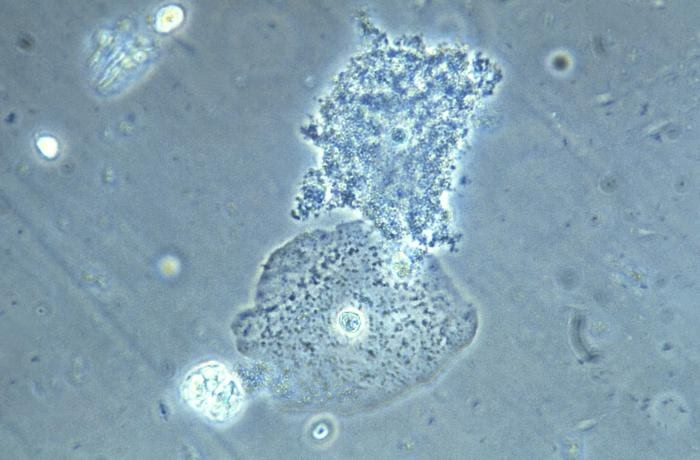
- Microscopic examination of a swab sample
- Culture testing (in recurrent or resistant cases)
- Blood tests (for suspected invasive infection)
For vaginal thrush, a clinician may take a swab to confirm Candida and rule out other causes such as bacterial vaginosis or sexually transmitted infections.
Recurrent thrush (four or more episodes per year) may prompt evaluation for underlying conditions like diabetes or immune disorders.
Treatment or Management Options
Treatment depends on the location and severity of infection. Most cases respond well to antifungal medications.
Oral Thrush
- Antifungal mouth rinses (e.g., nystatin)
- Oral antifungal tablets (e.g., fluconazole) for moderate to severe cases
For individuals using inhaled corticosteroids, rinsing the mouth after each use can reduce recurrence.
Vaginal Thrush
- Over-the-counter antifungal creams or suppositories (e.g., clotrimazole, miconazole)
- Single-dose oral fluconazole (prescription-based in some regions)
Recurrent infections may require longer treatment courses.
Skin Thrush
- Topical antifungal creams or powders
- Keeping the affected area dry and clean
Invasive Candidiasis
- Intravenous (IV) antifungal medications
- Hospital-based monitoring and supportive care
Treatment duration varies depending on severity and immune status.
Prevention and Lifestyle Considerations
Although not every case is preventable, several strategies may help reduce risk.
Practical Prevention Tips
- Maintain good oral hygiene
- Clean and properly store dentures
- Rinse mouth after using inhaled steroids
- Manage blood sugar levels if you have diabetes
- Avoid unnecessary antibiotic use (only take when prescribed)
- Wear breathable, cotton underwear
- Keep skin folds clean and dry
- Change out of wet clothing promptly
For individuals with recurrent thrush, a healthcare provider may recommend ongoing preventive antifungal therapy.
When to Seek Medical Attention
Consult a healthcare professional if:
- Symptoms are severe or recurrent
- You have difficulty swallowing
- You are pregnant and suspect vaginal thrush
- You have a weakened immune system
- Over-the-counter treatments are ineffective
Early treatment reduces discomfort and prevents complications.
Conclusion
Thrush is a common fungal infection caused by an overgrowth of Candida yeast. While typically mild and treatable, it can cause uncomfortable symptoms and may indicate underlying health concerns in some individuals.
Recognizing the symptoms—whether oral, vaginal, or skin-related—and understanding the risk factors can help ensure timely diagnosis and effective treatment. Most cases respond well to antifungal medications and simple preventive measures.
Disclaimer:
This article is intended for educational purposes only and does not substitute professional medical advice. If you suspect you may have thrush or are experiencing concerning symptoms, consult a qualified healthcare professional for appropriate evaluation and treatment.