Tendonitis: Understanding Causes, Symptoms, Treatment, and Prevention
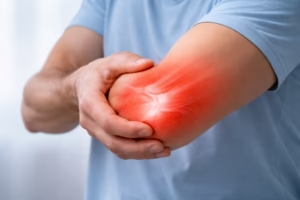
Tendonitis is a common musculoskeletal condition that can affect people of all ages and activity levels. Whether you’re an athlete, office worker, or someone who recently took on a new physical activity, tendon pain can interfere with your daily routine and overall quality of life.
In this article, we’ll explore what tendonitis is, what causes it, how it’s diagnosed and treated, and practical steps you can take to reduce your risk.
Overview / Definition
Tendonitis (also spelled tendinitis) refers to inflammation or irritation of a tendon—the thick, fibrous cord that attaches muscle to bone. Tendons transmit the force generated by muscles to create movement at joints.
When a tendon becomes overloaded, strained, or injured, it can lead to:
- Pain
- Swelling
- Reduced movement
- Tenderness around a joint
Tendonitis most commonly affects:
- Shoulder (rotator cuff tendonitis)
- Elbow (tennis elbow or golfer’s elbow)
- Wrist
- Knee (patellar tendonitis or “jumper’s knee”)
- Heel (Achilles tendonitis)
Although often associated with inflammation, many long-standing cases involve tendon degeneration rather than acute inflammation. In such cases, the term tendinopathy may be more accurate.
Causes and Risk Factors
Tendonitis typically develops due to repetitive stress or overuse, but multiple factors can contribute.
Common Causes
- Repetitive motions (e.g., typing, painting, throwing sports)
- Sudden increase in physical activity
- Poor posture or improper technique during exercise
- Inadequate warm-up before activity
- Direct injury or trauma
Risk Factors
Certain individuals may be more prone to tendonitis, including those who:
- Are over age 40 (due to natural tendon aging and decreased elasticity)
- Participate in sports like tennis, basketball, running, or swimming
- Work jobs involving repetitive motion (construction, assembly line work)
- Have underlying medical conditions such as:
- Diabetes
- Rheumatoid arthritis
- Gout
- Take certain medications (e.g., fluoroquinolone antibiotics, corticosteroids)
Tendons receive relatively limited blood supply compared to muscles, which may slow healing and increase vulnerability to injury.
Symptoms or Clinical Presentation
Symptoms of tendonitis can vary depending on the affected tendon but commonly include:
- Dull, aching pain near a joint
- Pain that worsens with movement or activity
- Tenderness when touching or pressing on the affected area
- Mild swelling
- Stiffness, especially in the morning
In more severe or prolonged cases, individuals may experience:
- Decreased strength
- Reduced range of motion
- A crackling or grating sensation (crepitus)
Symptoms may develop gradually over days or weeks, particularly in overuse injuries.
Diagnosis or Screening
Tendonitis is primarily diagnosed through a clinical evaluation by a healthcare professional.
Clinical Assessment Typically Includes:
- Detailed medical history
- Discussion of recent activities or injuries
- Physical examination of the affected area
- Assessment of pain with specific movements
Imaging Studies
Imaging may be recommended if:
- Symptoms persist despite initial treatment
- A tendon tear is suspected
- Diagnosis is uncertain
Common imaging tools include:
- Ultrasound – useful for evaluating tendon structure and inflammation
- MRI (Magnetic Resonance Imaging) – provides detailed images of soft tissues
Routine screening for tendonitis in asymptomatic individuals is not generally recommended.
Treatment or Management Options
Management depends on symptom severity and duration. Most cases improve with conservative (non-surgical) treatment.
1. Rest and Activity Modification
Reducing or temporarily stopping the activity that caused the problem is often the first step. This allows the tendon to heal and prevents further strain.
2. Ice Therapy
Applying ice to the affected area for 15–20 minutes several times daily can help reduce pain and swelling in acute cases.
3. Medications
- Nonsteroidal anti-inflammatory drugs (NSAIDs) such as ibuprofen may help relieve pain.
- Topical anti-inflammatory creams may also be beneficial.
4. Physical Therapy
Structured rehabilitation plays a central role in recovery. Programs often include:
- Gentle stretching exercises
- Gradual strengthening routines
- Eccentric strengthening (particularly effective for Achilles and patellar tendonitis)
- Posture and movement correction
5. Supportive Devices
- Braces or straps
- Orthotics
- Taping techniques
These may help reduce strain during healing.
6. Corticosteroid Injections
In some cases, steroid injections may reduce short-term pain. However, repeated injections can weaken tendons and are used cautiously.
7. Advanced Treatments
For persistent or severe cases:
- Platelet-rich plasma (PRP) injections
- Extracorporeal shockwave therapy
- Surgical repair (rare and typically reserved for significant tendon damage)
Recovery time varies from a few weeks to several months, depending on severity and adherence to rehabilitation.
Prevention and Lifestyle Considerations
Preventing tendonitis focuses on reducing repetitive stress and supporting tendon health.
Practical Prevention Tips
- Warm up before exercise
- Increase intensity gradually when starting new activities
- Use proper technique in sports and physical tasks
- Strengthen supporting muscles regularly
- Take frequent breaks during repetitive tasks
- Maintain good posture
Additional Considerations
- Wearing appropriate footwear
- Managing chronic health conditions
- Maintaining a healthy body weight
- Avoiding sudden spikes in training volume
Listening to early warning signs—such as mild pain or stiffness—can help prevent minor irritation from worsening into chronic tendon injury.
Conclusion
Tendonitis is a common condition characterized by pain and irritation of a tendon, often due to repetitive strain or overuse. While it can affect anyone, early recognition and proper management significantly improve recovery outcomes.
Most cases respond well to conservative treatment, including rest, physical therapy, and activity modification. Preventive strategies such as proper technique, gradual progression of activity, and strength training can reduce future risk.
If you experience persistent or worsening tendon pain, it is important to seek evaluation from a qualified healthcare professional for accurate diagnosis and appropriate care.
Disclaimer: This article is intended for educational purposes only and does not substitute for professional medical advice, diagnosis, or treatment. Always consult a licensed healthcare provider with any questions regarding a medical condition or symptoms you may be experiencing.