Teen Health: A Comprehensive Guide to Supporting Adolescent Well-Being

Adolescence is a unique and transformative stage of life marked by rapid physical growth, emotional development, and increasing independence. Teen health encompasses not only physical well-being but also mental, emotional, and social health. Because habits formed during these years often extend into adulthood, prioritizing teen health is essential for long-term wellness.
This article explores the key aspects of teen health, including common concerns, risk factors, warning signs, diagnosis, treatment approaches, and prevention strategies.
Overview: What Is Teen Health?
Teen health refers to the overall physical, mental, and social well-being of individuals typically between the ages of 13 and 19. During this stage, adolescents undergo:
- Puberty and hormonal changes
- Rapid physical growth
- Cognitive development
- Increased social and academic pressures
- Greater independence and risk-taking behaviors
Because teens are still developing physically and neurologically, they may be more vulnerable to certain health issues, including mental health disorders, substance use, eating disorders, and risky behaviors.
Common Health Concerns in Teenagers
Teen health covers a wide range of medical and psychological conditions. Some of the most common include:
1. Mental Health Disorders
- Depression
- Anxiety disorders
- Attention-deficit/hyperactivity disorder (ADHD)
- Eating disorders
- Substance use disorders
2. Physical Health Conditions
- Obesity or undernutrition
- Acne and skin conditions
- Sports injuries
- Menstrual irregularities
- Sleep disorders
3. Risk-Related Health Concerns
- Substance use (alcohol, nicotine, drugs)
- Unsafe sexual activity
- Poor dietary habits
- Sedentary lifestyle
- Risky driving behaviors
Causes and Risk Factors
Teen health challenges often result from a combination of biological, environmental, social, and behavioral factors.
Biological Factors
- Hormonal fluctuations during puberty
- Genetic predisposition to certain conditions
- Brain development (especially areas related to impulse control and decision-making)
Environmental & Social Factors
- Peer pressure
- Family dynamics
- Social media exposure
- Academic stress
- Exposure to trauma or violence
Behavioral Factors
- Poor nutrition
- Lack of physical activity
- Irregular sleep patterns
- Substance experimentation
Understanding these risk factors can help parents, caregivers, and healthcare providers identify early warning signs.
Symptoms and Clinical Presentation
Symptoms vary widely depending on the underlying issue. However, some general warning signs in teens include:
Physical Signs
- Sudden weight change
- Persistent fatigue
- Frequent headaches or stomachaches
- Sleep disturbances
- Changes in appetite
Emotional and Behavioral Signs
- Persistent sadness or irritability
- Withdrawal from friends or activities
- Declining academic performance
- Risk-taking behaviors
- Substance use
Red Flags Requiring Immediate Attention
- Thoughts of self-harm or suicide
- Severe mood swings
- Evidence of abuse or trauma
- Extreme eating behaviors
Early recognition of these signs is critical for timely intervention.
Diagnosis and Screening
Teen health assessments typically involve:
Medical Evaluation
- Physical examination
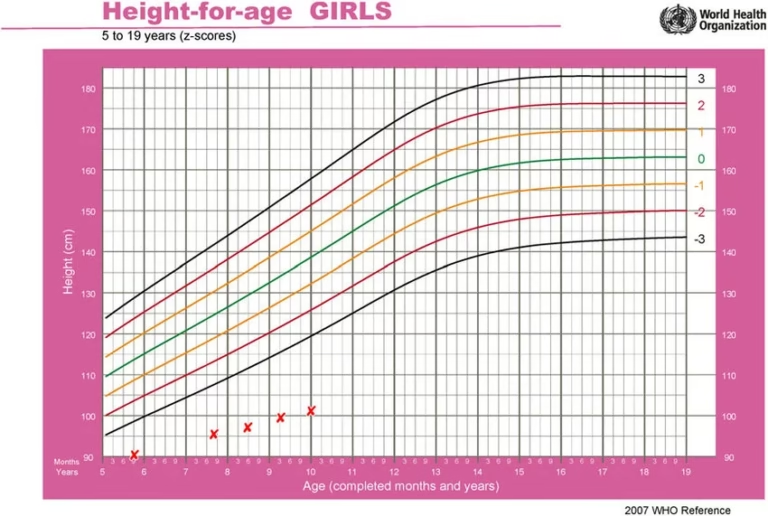
- Growth and developmental assessment
- Vaccination review
- Discussion of menstrual or sexual health
Mental Health Screening
Healthcare providers may use standardized tools to assess:
- Depression (e.g., PHQ-9 modified for adolescents)
- Anxiety
- Substance use
- Behavioral concerns
Laboratory Tests (When Indicated)
- Blood tests (e.g., anemia, thyroid function)
- Screening for sexually transmitted infections (STIs)
- Nutritional assessments
Routine annual wellness visits are strongly recommended during adolescence.
Treatment and Management Options
Treatment depends on the specific condition but may include:
1. Lifestyle Modifications
- Balanced nutrition
- Regular physical activity (at least 60 minutes per day)
- Adequate sleep (8–10 hours per night for teens)
- Limiting screen time
2. Mental Health Interventions
- Cognitive behavioral therapy (CBT)
- Family therapy
- School-based support programs
- Medication when clinically appropriate
3. Medical Treatment
- Acne therapies
- Hormonal treatments for menstrual disorders
- ADHD medications
- Treatment for infections or injuries
4. Multidisciplinary Approach
Complex issues (e.g., eating disorders) often require collaboration among pediatricians, mental health professionals, nutritionists, and family support systems.
Prevention and Healthy Lifestyle Considerations
Preventive care plays a central role in teen health.
Encourage Healthy Habits
- Promote balanced meals rich in fruits, vegetables, whole grains, and lean proteins
- Support regular exercise
- Establish consistent sleep routines
Foster Emotional Resilience
- Open communication at home
- Stress management techniques (e.g., mindfulness, journaling)
- Supportive peer and mentor relationships
Reduce Risk Behaviors
- Education on substance use risks
- Safe driving practices
- Comprehensive, age-appropriate sexual health education
Preventive Medical Care
- Routine physical exams
- Vaccinations (e.g., HPV, meningococcal, Tdap)
- Mental health screenings
Prevention strategies during adolescence significantly influence health outcomes later in life.
The Importance of Support Systems
Teens benefit greatly from:
- Engaged parents or guardians
- School counselors and educators
- Primary care providers
- Trusted adults and community programs
Strong support systems foster emotional regulation, self-esteem, and responsible decision-making.
Conclusion
Teen health is multidimensional, encompassing physical growth, emotional development, and behavioral well-being. Adolescents face unique challenges due to biological changes, social pressures, and increasing independence. Early recognition of warning signs, routine health screenings, healthy lifestyle habits, and supportive environments are crucial to promoting lifelong wellness.
By prioritizing preventive care, open communication, and evidence-based interventions, families and healthcare providers can help teens thrive during this pivotal stage of life.
Disclaimer:
This article is intended for educational purposes only and does not replace professional medical advice, diagnosis, or treatment. If you have concerns about a teenager’s health, consult a qualified healthcare professional for personalized evaluation and guidance.