Tapeworm Infection: Causes, Symptoms, Diagnosis, and Treatment
Tapeworm infection is a parasitic disease that affects the digestive system and, in some cases, other parts of the body. While the idea of a worm living inside the human body can sound alarming, many tapeworm infections are treatable and, with proper hygiene and food safety practices, largely preventable.
Understanding how tapeworm infections occur, what symptoms they cause, and how they are treated can help individuals recognize warning signs and reduce their risk of infection.
Overview: What Is a Tapeworm Infection?
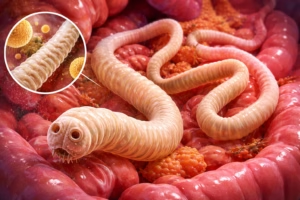
Tapeworms are flat, segmented parasitic worms that belong to a group called cestodes. They can live inside the intestines of humans and animals. Infections occur when people ingest tapeworm larvae or eggs, usually through contaminated food, water, or contact with infected animals or surfaces.
Common types of tapeworms that infect humans include:
- Taenia saginata (beef tapeworm)
- Taenia solium (pork tapeworm)
- Diphyllobothrium latum (fish tapeworm)
- Echinococcus species (can cause more serious systemic disease)
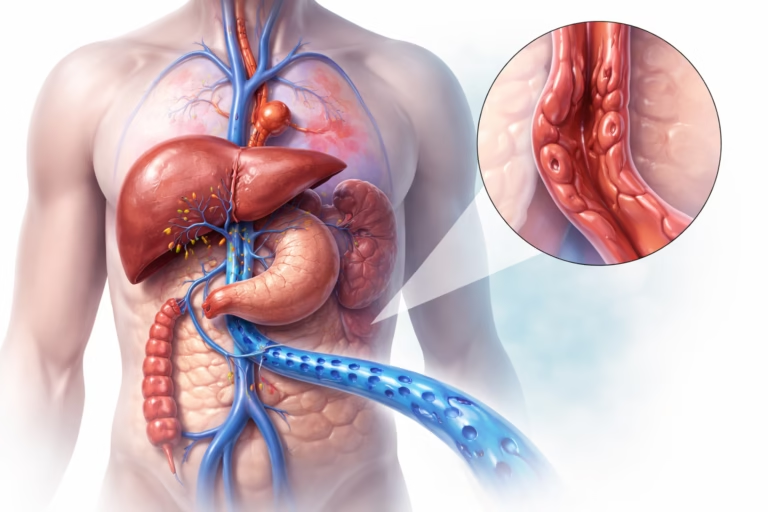
Some tapeworm infections remain confined to the intestines. Others—especially certain pork and Echinococcus species—can invade tissues such as the brain, liver, or lungs, potentially leading to more serious health complications.
Causes and Risk Factors
Tapeworm infections generally occur through ingestion of eggs or larval forms of the parasite. The exact source depends on the type of tapeworm.
Common Causes
- Eating undercooked or raw beef, pork, or fish
- Consuming food or water contaminated with tapeworm eggs
- Poor hand hygiene after using the bathroom or handling animals
- Contact with infected animals (particularly livestock or dogs)
Risk Factors
Certain behaviors and environments increase the likelihood of infection:
- Living in or traveling to regions with poor sanitation
- Eating raw or undercooked meats
- Close contact with livestock or farm animals
- Inadequate meat inspection systems
- Crowded living conditions
In developed countries with regulated food safety standards, tapeworm infections are less common but can still occur, particularly with imported foods or travel-related exposure.
Symptoms and Clinical Presentation
Many people with intestinal tapeworm infections experience no obvious symptoms, especially in the early stages. When symptoms do occur, they may include:
- Abdominal pain or discomfort
- Nausea
- Diarrhea or constipation
- Unintended weight loss
- Weakness or fatigue
- Passage of tapeworm segments (proglottids) in stool
Complications
Some species can cause more serious conditions:
- Cysticercosis (from Taenia solium eggs): Larvae invade tissues and may form cysts in muscles, eyes, or brain.
- Neurocysticercosis: When cysts develop in the brain, symptoms may include:
- Seizures
- Headaches
- Confusion
- Balance problems
- Echinococcosis: Can lead to cysts in the liver or lungs, potentially causing organ dysfunction.
These forms require specialized treatment and close medical supervision.
Diagnosis and Screening
Diagnosis depends on the type of tapeworm and symptoms present.
Intestinal Tapeworms
Doctors typically diagnose intestinal infections by:
- Stool examination to identify tapeworm eggs or segments
- Microscopic laboratory analysis
Multiple stool samples may be required because eggs are not always present in every sample.
Tissue Infections
When cysticercosis or echinococcosis is suspected, diagnosis may involve:
- Imaging tests (CT scan or MRI)
- Blood tests to detect antibodies
- Ultrasound (especially for liver cysts)
Early and accurate diagnosis is important to prevent complications.
Treatment and Management Options
The choice of treatment depends on the type and extent of infection.
Intestinal Tapeworm Infections
Most uncomplicated intestinal infections are treated with oral antiparasitic medications such as:
- Praziquantel
- Albendazole
- Niclosamide
These medications are typically effective and may require only a single dose or short course. Follow-up stool testing ensures the infection has been cleared.
Tissue or Systemic Infections
More complex infections (e.g., neurocysticercosis or echinococcosis) may require:
- Longer courses of antiparasitic medication
- Corticosteroids to reduce inflammation
- Anti-seizure medications (if seizures occur)
- Surgical intervention in selected cases
Management often involves specialists, including infectious disease physicians and neurologists.
Prevention and Lifestyle Considerations
Prevention focuses largely on food safety and hygiene.
Practical Prevention Strategies
- Cook beef, pork, and fish thoroughly
- Avoid raw or undercooked meats
- Wash hands with soap and water:
- Before meals
- After using the toilet
- After handling animals
- Drink safe, treated water when traveling
- Follow safe food handling practices
Public health measures—such as meat inspection, improved sanitation, and education—play a major role in reducing infection rates worldwide.
Conclusion
Tapeworm infection is a parasitic condition that ranges from asymptomatic intestinal infection to serious systemic disease, depending on the species involved. Most intestinal tapeworm infections are treatable with medication, especially when diagnosed early. However, certain types can cause more severe complications affecting organs such as the brain or liver.
Maintaining good hygiene, practicing safe food preparation, and seeking medical evaluation for persistent gastrointestinal or neurological symptoms are essential preventive and diagnostic steps.
Disclaimer:
This article is for educational purposes only and does not substitute for professional medical advice, diagnosis, or treatment. If you suspect a tapeworm infection or experience concerning symptoms, consult a qualified healthcare professional for appropriate evaluation and care.