Syphilis: Symptoms, Stages, Diagnosis, and Treatment Explained

Syphilis is a sexually transmitted infection (STI) that has affected humans for centuries. Despite being entirely treatable with modern medicine, it remains a significant public health concern worldwide. In recent years, reported cases have increased in many countries, highlighting the importance of awareness, early detection, and proper treatment.
This article provides a clear, medically accurate overview of syphilis, including its causes, symptoms, diagnosis, treatment, and prevention, to help readers better understand this potentially serious but highly treatable condition.
Overview: What Is Syphilis?
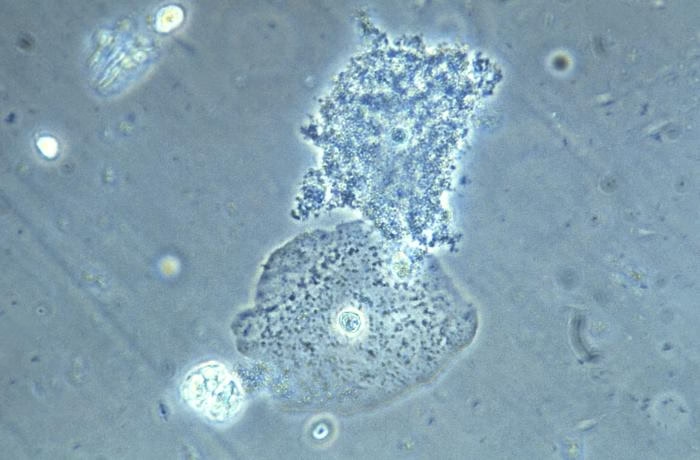
Syphilis is a bacterial infection caused by Treponema pallidum. It spreads primarily through sexual contact, including vaginal, anal, and oral sex. The infection develops in stages, each with distinct signs and symptoms.
If left untreated, syphilis can progress over years and potentially cause severe, life-threatening complications affecting the heart, brain, and other organs. However, when diagnosed early, it is easily treated with antibiotics.
Syphilis can affect anyone who is sexually active, and it can also be passed from a pregnant person to their baby, a condition known as congenital syphilis.
Causes and Risk Factors
How Syphilis Spreads
Syphilis is transmitted through direct contact with a syphilitic sore (called a chancre), which may appear on:
- The genitals
- The anus
- The rectum
- The lips or inside the mouth
Transmission occurs through:
- Vaginal, anal, or oral sex
- Skin-to-skin contact with an infectious sore
- Mother-to-baby transmission during pregnancy or childbirth
It is important to note that syphilis is not spread through casual contact such as hugging, sharing utensils, toilet seats, or swimming pools.
Risk Factors
Certain factors increase the risk of infection:
- Unprotected sex (not using condoms or dental dams)
- Multiple sexual partners
- Men who have sex with men (MSM)
- Living with HIV
- Previous history of STIs
- Limited access to healthcare or testing services
Regular screening is especially important for individuals in higher-risk groups.
Symptoms and Clinical Presentation
Syphilis progresses through stages, each with different symptoms. Some people may have very mild symptoms or none at all, which makes testing critical.
1. Primary Syphilis
- A single painless sore (chancre) at the infection site
- May also present as multiple sores
- Appears about 3 weeks after exposure (range: 10–90 days)
- Sore typically heals on its own within 3–6 weeks
Because the sore is painless and may be hidden (e.g., inside the vagina or rectum), many individuals do not notice it.
2. Secondary Syphilis
Develops weeks after the chancre heals.
Common symptoms include:
- Skin rash (often on palms of the hands and soles of the feet)
- Mucous membrane lesions
- Fever
- Swollen lymph nodes
- Sore throat
- Patchy hair loss
- Fatigue and muscle aches
These symptoms may resolve without treatment, but the infection remains in the body.
3. Latent Syphilis
This stage has no visible symptoms. It can last for years.
- Early latent: within the first year of infection
- Late latent: after the first year
Without treatment, some individuals will progress to tertiary syphilis.
4. Tertiary Syphilis
This late-stage infection can develop years or even decades after the initial infection and can cause:
- Brain and nervous system damage (neurosyphilis)
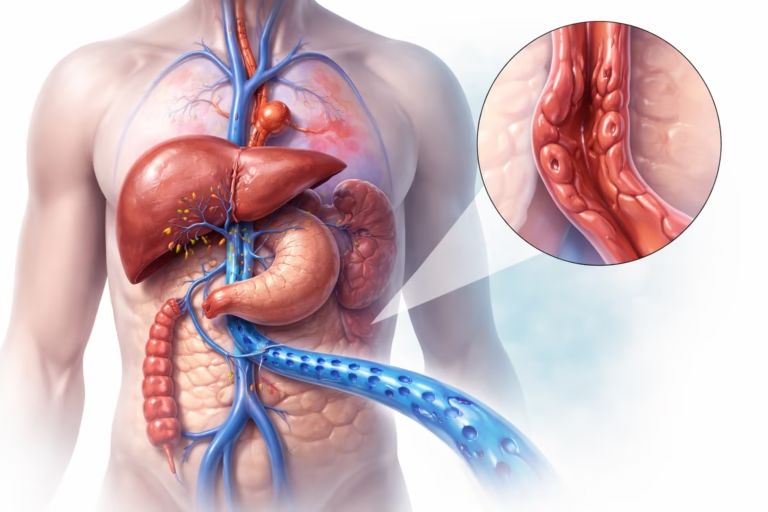
- Heart and blood vessel damage (cardiovascular syphilis)
- Organ damage
- Paralysis
- Blindness
- Dementia
Tertiary syphilis can be life-threatening.
Congenital Syphilis
If a pregnant person has untreated syphilis, the infection can pass to the fetus, potentially causing:
- Miscarriage or stillbirth
- Premature birth
- Severe illness in newborns
- Developmental complications
Routine syphilis screening during pregnancy is essential.
Diagnosis and Screening
Syphilis is diagnosed through blood tests that detect antibodies to Treponema pallidum. Diagnosis may also involve:
- Examination of sores
- Testing fluid from lesions (in some cases)
- Spinal fluid testing if neurosyphilis is suspected
Who Should Be Screened?
Public health guidelines often recommend screening for:
- Sexually active individuals with multiple partners
- Pregnant individuals (early in pregnancy and sometimes again later)
- People living with HIV
- Men who have sex with men
- Anyone with symptoms suggestive of syphilis
Regular testing is crucial because syphilis can be present without noticeable symptoms.
Treatment and Management Options
The good news: Syphilis is curable.
First-Line Treatment
- Penicillin G, given by injection, is the standard treatment.
- The number of doses depends on the stage of infection.
For individuals allergic to penicillin, alternative antibiotics may be considered, though penicillin is preferred — particularly during pregnancy.
Important Points About Treatment
- Early treatment prevents complications.
- Treatment stops further progression but cannot reverse damage already done (e.g., neurological injury).
- Sexual partners should be tested and treated if necessary.
- Follow-up blood tests are required to confirm the infection has resolved.
Individuals treated for syphilis can become infected again if exposed.
Prevention and Lifestyle Considerations
While syphilis is treatable, prevention remains the best strategy.
Protective Measures
- Consistent and correct condom use
- Regular STI screening
- Limiting number of sexual partners
- Open communication with partners about STI testing
- Prompt treatment of infected individuals and their partners
For individuals at higher risk, regular testing every 3–6 months may be recommended by healthcare providers.
Pregnant individuals should attend all prenatal care appointments and undergo recommended screening.
Conclusion: Key Takeaways About Syphilis
Syphilis is a common but entirely treatable bacterial sexually transmitted infection that progresses in stages. Early symptoms may be mild or unnoticed, making routine screening essential, especially for those at higher risk.
Left untreated, syphilis can cause serious long-term complications affecting the brain, heart, and other organs. However, prompt diagnosis and antibiotic treatment are highly effective in curing the infection and preventing further damage.
Awareness, safe sexual practices, regular testing, and timely treatment are central to reducing the spread and impact of syphilis.
Disclaimer:
This article is intended for general educational purposes only and should not be considered medical advice. If you have symptoms, concerns about exposure, or questions about STI testing, please consult a qualified healthcare professional for personalized evaluation and treatment.