Swine Flu (H1N1 Flu): Symptoms, Causes, Treatment, and Prevention

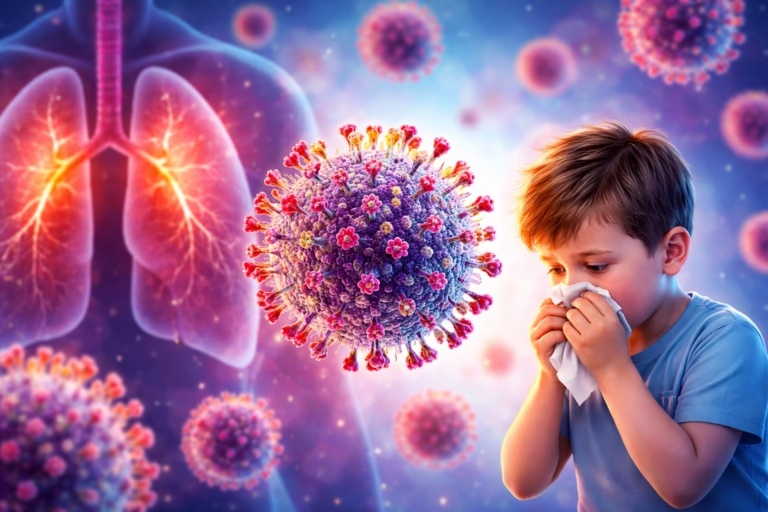
Swine flu, medically known as H1N1 influenza, is a contagious respiratory illness caused by a specific strain of the influenza A virus. Although it first gained global attention during the 2009 pandemic, H1N1 continues to circulate seasonally as part of routine influenza viruses. Understanding its symptoms, transmission, treatment, and prevention is essential for protecting both individual and public health.
This article provides a medically accurate and accessible overview of swine flu (H1N1), including its causes, clinical presentation, and evidence-based management strategies.
Overview: What Is Swine Flu (H1N1)?
Swine flu (H1N1) is a subtype of the influenza A virus. The name “swine flu” originated because the virus initially contained genetic components similar to influenza viruses found in pigs. However, the strain that spread widely among humans is transmitted person-to-person, primarily through respiratory droplets.
Today, H1N1 is considered one of the regular seasonal flu strains included in annual influenza vaccines.
Key characteristics include:
- A contagious respiratory infection
- Spread through coughing, sneezing, and close contact
- Symptoms similar to other seasonal influenza viruses
- Potential for serious complications in high-risk individuals
Causes and Risk Factors
Cause
Swine flu is caused by the influenza A (H1N1) virus. It spreads when:
- An infected person coughs or sneezes
- Respiratory droplets land in the mouths or noses of nearby individuals
- Someone touches contaminated surfaces and then touches their face
The virus can spread even before noticeable symptoms develop.
Risk Factors
While anyone can contract H1N1, certain groups are at higher risk for severe illness:
- Children under 5 years (especially under 2 years)
- Adults over 65
- Pregnant individuals
- People with chronic conditions, such as:
- Asthma or chronic lung disease
- Heart disease
- Diabetes
- Kidney disease
- Liver disorders
- Immunocompromised individuals
- Residents of nursing homes or long-term care facilities
Symptoms and Clinical Presentation
Symptoms of H1N1 flu are similar to those of seasonal influenza and typically appear 1–4 days after exposure.
Common Symptoms
- Fever (often sudden onset)
- Chills
- Cough
- Sore throat
- Runny or stuffy nose
- Muscle aches
- Fatigue
- Headache
Gastrointestinal Symptoms (More Common in H1N1)
- Nausea
- Vomiting
- Diarrhea
These digestive symptoms are more frequently associated with H1N1 compared to other influenza strains.
Warning Signs of Severe Illness
Seek urgent medical attention if any of the following occur:
- Difficulty breathing or shortness of breath
- Chest pain or pressure
- Persistent high fever
- Bluish lips or face
- Confusion
- Severe weakness or dehydration
- Symptoms that improve and then suddenly worsen
Complications may include:
- Pneumonia
- Acute respiratory distress syndrome (ARDS)
- Worsening of chronic health conditions
- Secondary bacterial infections
Diagnosis and Screening
H1N1 is typically diagnosed based on:
- Clinical evaluation (symptoms and exposure history)
- Laboratory testing in certain cases
Diagnostic Tests
- Rapid influenza diagnostic tests (RIDTs)
- PCR (polymerase chain reaction) testing, which is more accurate
- Nasopharyngeal or throat swabs
In mild cases during peak flu season, laboratory testing may not always be necessary. Testing is more commonly recommended for hospitalized patients or high-risk individuals.
Treatment and Management Options
Antiviral Medications
Antiviral drugs can reduce severity and duration if started early (ideally within 48 hours of symptom onset).
Common antivirals include:
- Oseltamivir (Tamiflu)
- Zanamivir (Relenza)
- Baloxavir marboxil
- Peramivir
These medications:
- Shorten illness duration
- Reduce the risk of complications
- Are especially important for high-risk patients
Supportive Care
Most healthy individuals recover with supportive care, including:
- Adequate rest
- Fluid intake to prevent dehydration
- Fever-reducing medications such as acetaminophen or ibuprofen (as appropriate)
Antibiotics are not effective against viral infections but may be prescribed if a secondary bacterial infection develops.
Prevention and Lifestyle Considerations
Preventing H1N1 relies on vaccination and basic infection-control measures.
1. Annual Influenza Vaccination
The seasonal flu vaccine includes protection against H1N1 strains. Vaccination:
- Reduces the risk of infection
- Decreases illness severity
- Lowers hospitalization and complication rates
- Protects vulnerable populations through community immunity
Annual vaccination is recommended for most individuals aged 6 months and older.
2. Hygiene Practices
Simple measures significantly reduce transmission:
- Wash hands frequently with soap and water
- Use alcohol-based hand sanitizers when needed
- Avoid touching the face
- Cover coughs and sneezes with a tissue or elbow
- Stay home when sick
3. Lifestyle Measures to Support Immunity
- Maintain adequate sleep
- Eat a balanced diet
- Engage in regular physical activity
- Manage chronic health conditions carefully
Conclusion
Swine flu (H1N1) is a contagious influenza virus that continues to circulate as part of seasonal flu strains. While most healthy individuals recover within a week, the infection can cause serious complications in high-risk populations. Recognizing symptoms early, seeking timely medical evaluation when appropriate, and staying up to date with annual influenza vaccination are key to reducing illness severity and preventing spread.
By combining vaccination, hygiene practices, and prompt treatment when necessary, individuals and communities can effectively limit the impact of H1N1 influenza.
Disclaimer
This article is intended for educational purposes only and does not substitute for professional medical advice, diagnosis, or treatment. If you suspect influenza or experience severe symptoms, please consult a qualified healthcare professional for proper evaluation and care.