Stomach Flu: Causes, Symptoms, Treatment, and Prevention

The “stomach flu” is a term many people use to describe a sudden onset of nausea, vomiting, diarrhea, and abdominal discomfort. Despite its name, it is not caused by the influenza virus and is not related to the respiratory flu. Instead, stomach flu refers to viral gastroenteritis, an inflammation of the stomach and intestines caused by a viral infection.
Understanding what stomach flu is, and what it isn’t, can help you respond appropriately, reduce complications, and prevent its spread to others. In this article, we’ll explore the causes, symptoms, treatment options, and prevention strategies for viral gastroenteritis.
Overview / Definition
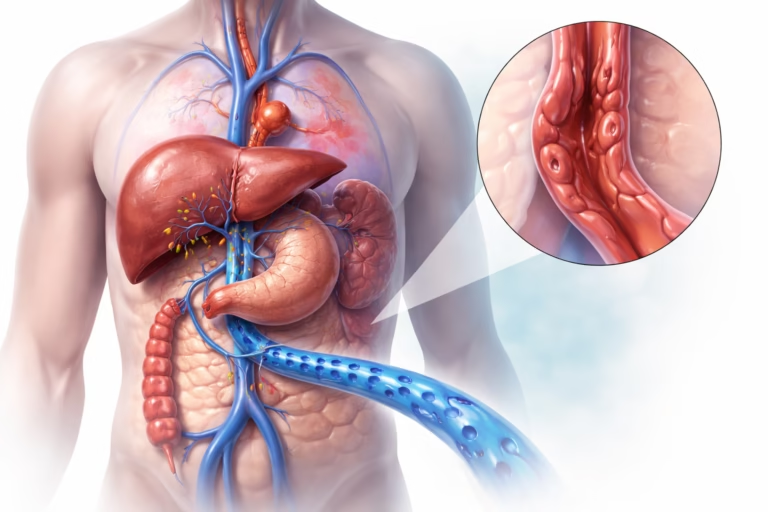
Viral gastroenteritis is an infection that leads to inflammation of the gastrointestinal (GI) tract, including the stomach and small intestine. This inflammation interferes with the body’s ability to absorb fluids and nutrients, resulting in symptoms such as diarrhea and vomiting.
It is one of the most common causes of acute gastrointestinal illness worldwide and affects people of all ages. While typically mild and self-limiting in healthy individuals, it can be more severe in:
- Infants and young children
- Older adults
- Pregnant women
- Individuals with weakened immune systems
The illness is highly contagious and often spreads rapidly in crowded or enclosed settings, such as schools, nursing homes, and cruise ships.
Causes and Risk Factors
Viral gastroenteritis is caused by several types of viruses, including:
Common Viral Causes
- Norovirus – The most common cause in adults and responsible for outbreaks in communal settings
- Rotavirus – Historically common in children (now reduced in countries with vaccination programs)
- Adenovirus – More common in young children
- Astrovirus – Typically affects infants, young children, and older adults
How It Spreads
The virus is usually transmitted through:
- Consuming contaminated food or water
- Close contact with an infected person
- Touching contaminated surfaces and then touching the mouth
- Inadequate hand hygiene
Even small amounts of virus particles can cause infection, especially in the case of norovirus.
Risk Factors
- Living in close quarters (dormitories, daycare centers, long-term care facilities)
- Traveling, particularly to areas with limited sanitation
- Weakened immune system
- Lack of rotavirus vaccination (in infants)
Symptoms / Clinical Presentation
Symptoms typically appear 12 to 48 hours after exposure, depending on the virus involved.
Common Symptoms Include:
- Watery diarrhea
- Nausea
- Vomiting
- Abdominal cramps
- Low-grade fever
- Headache
- Muscle aches
- Fatigue
In most cases, symptoms last 1 to 3 days, although some infections may persist longer.
Signs of Dehydration (A Key Concern)
Dehydration is one of the most significant complications, especially in children and older adults. Warning signs include:
- Dry mouth and tongue
- Reduced urination or dark urine
- Dizziness or lightheadedness
- Excessive thirst
- Lethargy or confusion
- Sunken eyes (in children)
Severe dehydration requires prompt medical attention.
Diagnosis / Screening
Most cases of stomach flu are diagnosed clinically, based on symptoms and physical examination. Laboratory tests are usually not necessary unless:
- Symptoms are severe or prolonged
- Blood appears in the stool
- Signs of severe dehydration are present
- There is concern about bacterial or parasitic infection
- An outbreak investigation is underway
In those situations, stool tests may be used to identify the specific pathogen.
It’s important to distinguish viral gastroenteritis from other conditions such as:
- Food poisoning due to bacterial toxins
- Influenza (which primarily affects the respiratory system)
- Inflammatory bowel disease
- Appendicitis
Treatment / Management Options
There is no specific antiviral medication for most cases of viral gastroenteritis. Treatment focuses on supportive care and symptom management.
1. Fluid Replacement (Most Important)
Preventing or correcting dehydration is the main goal.
- Drink clear fluids such as water, oral rehydration solutions (ORS), or electrolyte beverages
- Small, frequent sips are often better tolerated than large volumes
- For children, pediatric oral rehydration solutions are preferred
Severe dehydration may require intravenous (IV) fluids in a medical setting.
2. Gradual Return to Eating
Once vomiting improves:
- Start with bland, easy-to-digest foods
- Rice
- Bananas
- Toast
- Applesauce
- Avoid fatty, spicy, or heavily seasoned foods initially
- Limit caffeine and alcohol
3. Medications
In some cases, healthcare professionals may recommend:
- Anti-nausea medications
- Anti-diarrheal agents (with caution and typically not for young children)
- Fever-reducing medications for discomfort
Antibiotics are not effective for viral infections.
Prevention and Lifestyle Considerations
Since stomach flu spreads easily, prevention is critical — especially during outbreaks.
Effective Prevention Strategies
1. Hand Hygiene
- Wash hands thoroughly with soap and water for at least 20 seconds
- Alcohol-based hand sanitizers may be less effective against certain viruses like norovirus
2. Food Safety
- Wash fruits and vegetables
- Cook seafood thoroughly
- Avoid preparing food when sick
3. Surface Disinfection
- Clean contaminated surfaces with appropriate disinfectants
- Pay attention to bathrooms and kitchen areas
4. Stay Home When Ill
- Avoid school, work, and food handling until at least 24–48 hours after symptoms stop
5. Vaccination
- Rotavirus vaccines are highly effective in preventing severe illness in infants and are part of routine childhood immunization schedules in many countries.
When to Seek Medical Attention
Medical evaluation is recommended if:
- Vomiting or diarrhea lasts more than a few days
- There is blood in the stool or vomit
- Severe abdominal pain occurs
- Signs of dehydration develop
- High fever persists
- The affected individual is very young, elderly, pregnant, or immunocompromised
Conclusion
Stomach flu, or viral gastroenteritis, is a common and usually self-limited infection that affects the digestive tract. While uncomfortable, most people recover fully with supportive care and attention to hydration. Understanding how it spreads and recognizing warning signs of dehydration are essential for safe recovery and prevention.
Practicing good hygiene, maintaining food safety, and staying home when sick are simple yet effective ways to reduce transmission. For infants, rotavirus vaccination plays a critical preventive role.
Disclaimer:
This article is for informational purposes only and does not replace professional medical advice. If you have concerns about symptoms or health conditions, consult a qualified healthcare professional for appropriate evaluation and care.