Sports Injuries: Causes, Treatment, and Prevention
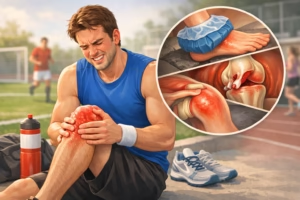
Sports and physical activity offer tremendous health benefits—from improving cardiovascular fitness to supporting mental well-being. However, participation in sports also carries a risk of injury. Sports injuries can affect athletes of all ages and skill levels, from recreational joggers to professional competitors.
Understanding how these injuries occur, how they are treated, and—most importantly—how they can be prevented is essential for maintaining long-term health and performance.
Overview: What Are Sports Injuries?
A sports injury is any musculoskeletal injury—affecting muscles, bones, ligaments, tendons, or joints—that occurs during physical activity or exercise.
Sports injuries are generally classified into two main categories:
1. Acute Injuries
These occur suddenly, often due to trauma or impact.
Examples include:
- Sprains (ligament injuries)
- Strains (muscle or tendon injuries)
- Fractures (broken bones)
- Dislocations
- Concussions
2. Overuse Injuries
These develop gradually over time due to repetitive stress on tissues.
Examples include:
- Tendinitis (e.g., tennis elbow)
- Stress fractures
- Shin splints
- Rotator cuff injuries
- Patellofemoral pain syndrome
Both types can range from mild to severe and may require medical evaluation depending on symptoms.
Causes and Risk Factors
Sports injuries occur when the body is subjected to forces beyond its capacity to adapt. Several factors increase the likelihood of injury:
Common Causes
- Sudden trauma or impact (e.g., collision in contact sports)
- Poor technique during exercise
- Inadequate warm-up
- Using improper equipment
- Overtraining or insufficient rest
Risk Factors
- Sudden increase in training intensity
- Muscle weakness or imbalance
- Previous injury
- Fatigue
- Poor flexibility
- Improper footwear
- Lack of sport-specific conditioning
- Playing on unsafe surfaces
Youth athletes may also be prone to injury due to growth spurts, which temporarily alter coordination and flexibility.
Symptoms and Clinical Presentation
Symptoms vary depending on the type and severity of injury. However, common signs include:
- Pain (sudden or gradual onset)
- Swelling
- Bruising
- Reduced range of motion
- Weakness
- Instability in a joint
- Inability to bear weight
- Numbness or tingling (in nerve-related injuries)
Red Flags Requiring Prompt Medical Attention
Seek urgent evaluation if there is:
- Severe pain
- Obvious deformity
- Inability to move a limb
- Loss of consciousness (possible concussion)
- Persistent swelling or worsening symptoms
Ignoring symptoms can delay recovery and increase the risk of chronic problems.
Diagnosis and Screening
Accurate diagnosis is essential for proper treatment.
Clinical Evaluation
A healthcare professional may perform:
- A detailed medical history
- Physical examination
- Assessment of range of motion and strength
- Functional movement testing
Imaging Studies
Depending on the suspected injury, diagnostic tools may include:
- X-rays (to detect fractures)
- MRI scans (to assess soft tissue injuries)
- Ultrasound (for tendon or ligament evaluation)
- CT scans (in complex fractures)
Early diagnosis improves treatment outcomes and reduces long-term complications.
Treatment and Management
Treatment depends on the severity and type of injury. Many mild injuries respond well to conservative care, while severe injuries may require advanced treatment.
Initial Management: The R.I.C.E. Approach
For many acute injuries:
- R – Rest
- I – Ice
- C – Compression
- E – Elevation
This method helps reduce swelling and inflammation during the first 24–48 hours.
Medical Treatment Options
- Physical therapy
- Anti-inflammatory medications (as prescribed)
- Immobilization (braces, casts, splints)
- Corticosteroid injections (in specific cases)
- Surgical intervention (for severe ligament tears, fractures, or joint instability)
Rehabilitation
Rehabilitation focuses on:
- Restoring strength
- Improving flexibility
- Enhancing balance and coordination
- Gradual return-to-sport protocols
Returning to activity too soon increases the risk of reinjury.
Prevention and Lifestyle Considerations
While not all injuries are preventable, many can be reduced with appropriate strategies.
Evidence-Based Prevention Measures
- Engage in regular strength training
- Warm up before activity and cool down afterward
- Progress training intensity gradually
- Use proper sports equipment
- Wear sport-specific protective gear
- Take rest days to allow recovery
- Maintain adequate hydration and nutrition
- Address minor pain early before it worsens
For athletes with previous injuries, structured rehabilitation and movement retraining are especially important.
When to Seek Medical Evaluation
Consult a healthcare professional if:
- Pain persists beyond a few days
- You cannot bear weight
- Swelling or bruising is worsening
- Symptoms recur repeatedly
- You suspect a concussion
Early evaluation promotes faster and safer recovery.
Conclusion
Sports injuries are a common part of physical activity, ranging from minor strains to complex joint damage. While some injuries occur unexpectedly, many are preventable through proper training, conditioning, and injury-awareness strategies.
Understanding the causes, recognizing symptoms early, and seeking appropriate care when necessary can significantly reduce recovery time and protect long-term health. By combining smart training habits with proper medical guidance, athletes can remain active while minimizing injury risk.
Disclaimer
This article is for educational purposes only and does not constitute medical advice. If you suspect a sports-related injury or are experiencing persistent symptoms, please consult a qualified healthcare professional for proper evaluation and treatment.