Scarlet Fever: Causes, Symptoms, Treatment, and Prevention
Scarlet fever is a bacterial illness that most commonly affects children, though it can occur at any age. Once considered a serious and often life‑threatening disease, scarlet fever is now readily treatable with antibiotics. However, early recognition and proper management remain important to prevent complications and reduce spread.
In this article, we’ll explore what scarlet fever is, its causes, symptoms, diagnosis, treatment options, and how it can be prevented.
Overview / Definition
Scarlet fever is an infectious disease caused by Group A Streptococcus (GAS), the same bacteria responsible for strep throat. The condition is characterized by:
- A sore throat
- Fever
- A distinctive red, sandpaper-like rash
The illness primarily affects children aged 5 to 15 years. While most cases are mild with prompt treatment, untreated scarlet fever can lead to serious complications such as rheumatic fever or kidney inflammation.
Causes and Risk Factors
The Underlying Cause
Scarlet fever occurs when Streptococcus pyogenes (Group A Streptococcus) produces toxins known as erythrogenic toxins. These toxins trigger the characteristic rash and other symptoms.
Scarlet fever typically develops in individuals who have:
- Strep throat (streptococcal pharyngitis)
- Sometimes a streptococcal skin infection (e.g., impetigo)
How It Spreads
The bacteria spread through:
- Respiratory droplets from coughing or sneezing
- Close contact with infected individuals
- Sharing utensils, cups, or personal items
Risk Factors
- Age between 5 and 15 years
- Close-contact environments (schools, daycare centers)
- Exposure to someone with untreated strep throat
Scarlet fever is less common in children under 3 years old and adults, but it can still occur.
Symptoms and Clinical Presentation
Symptoms typically appear 2 to 5 days after exposure. The illness often begins with signs of strep throat, followed by the distinctive rash.
Early Symptoms
- Sudden onset of fever (often above 101°F / 38.3°C)
- Sore throat
- Pain with swallowing
- Headache
- Nausea or vomiting (more common in children)
- Swollen lymph nodes in the neck
Characteristic Rash
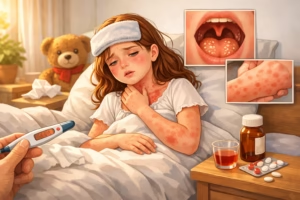
The rash is the hallmark of scarlet fever and usually:
- Begins on the chest and abdomen
- Spreads to the neck, arms, and legs
- Feels rough, like sandpaper
- Appears red, especially in lighter skin tones (may appear darker or more subtle on darker skin)
Additional distinctive features include:
- Strawberry tongue – Initially a white-coated tongue that later becomes red and bumpy
- Pastia’s lines – Red streaks in the skin folds (e.g., underarms, elbows)
- Facial flushing with pale area around the mouth
- Peeling skin (especially on fingertips and toes) during recovery
The rash typically lasts about one week, followed by skin peeling.
Diagnosis
Scarlet fever is diagnosed based on:
Clinical Examination
A healthcare provider evaluates:
- Throat appearance
- Presence and characteristics of the rash
- Swollen lymph nodes
Laboratory Tests
To confirm Group A Streptococcus infection:
- Rapid antigen detection test (RADT)
- Throat culture (considered the gold standard if rapid test is negative but suspicion remains high)
Early and accurate diagnosis is important to initiate prompt treatment and prevent complications.
Treatment and Management Options
Scarlet fever is treated with antibiotics, which:
- Shorten the duration of symptoms
- Reduce transmission
- Prevent serious complications
First-Line Treatment
- Penicillin or amoxicillin (for patients without allergy)
For individuals allergic to penicillin, alternative antibiotics may be prescribed.
Symptom Relief Measures
In addition to antibiotics, supportive care can help ease discomfort:
- Adequate rest
- Fluids to prevent dehydration
- Over-the-counter fever reducers (such as acetaminophen or ibuprofen, per package directions)
- Soothing throat remedies (warm liquids, lozenges for older children and adults)
Most individuals are no longer contagious after 24 hours of antibiotic therapy.
Potential Complications
While uncommon with proper treatment, complications can occur if scarlet fever is untreated.
Possible Complications Include:
- Rheumatic fever (affecting heart, joints, and brain)
- Post-streptococcal glomerulonephritis (kidney inflammation)
- Ear infections
- Sinus infections
- Peritonsillar abscess
- Pneumonia
Prompt antibiotic therapy greatly reduces these risks.
Prevention and Lifestyle Considerations
There is currently no vaccine for scarlet fever. Prevention focuses on limiting the spread of Group A Streptococcus.
Preventive Measures
- Frequent handwashing with soap and water
- Covering mouth and nose when coughing or sneezing
- Avoiding sharing personal items
- Staying home from school or work until at least 24 hours after starting antibiotics
- Completing the full prescribed course of antibiotics
Early treatment of strep throat can help prevent progression to scarlet fever.
Conclusion
Scarlet fever is a contagious bacterial illness caused by Group A Streptococcus, most commonly affecting school-aged children. Recognizable by its sandpaper-like rash, sore throat, and fever, the condition is highly treatable with antibiotics. Early diagnosis and full completion of treatment are essential to prevent complications and reduce spread.
While scarlet fever is generally mild today, awareness of its symptoms and prompt medical care remain key to protecting both individual and public health.
Disclaimer
This article is intended for educational purposes only and does not replace professional medical advice. If you or someone in your care experiences symptoms suggestive of scarlet fever or strep throat, consult a qualified healthcare professional for appropriate evaluation and treatment.