Scabies: Causes, Symptoms, Treatment, and Prevention
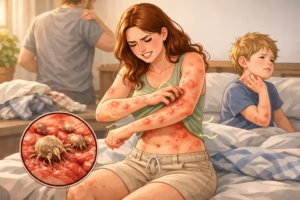
Scabies is a highly contagious skin condition caused by tiny mites that burrow into the skin. Although it is not typically dangerous, scabies can cause intense itching and discomfort, and it spreads easily through close contact. Because symptoms may resemble other skin conditions, early recognition and appropriate treatment are essential to prevent ongoing transmission.
This article provides a clear, evidence-based overview of scabies, including its causes, symptoms, diagnosis, treatment, and prevention strategies.
Overview / Definition
Scabies is a skin infestation caused by the microscopic mite Sarcoptes scabiei var. hominis. The female mite burrows into the top layer of the skin (the epidermis), where she lays eggs. This process triggers an allergic reaction in the body, leading to severe itching and a characteristic rash.
Scabies affects people of all ages, races, and socioeconomic backgrounds. It spreads easily in:
- Households
- Childcare settings
- Schools
- Long-term care facilities
- Crowded living conditions
There are two primary forms:
- Classic (typical) scabies – The most common form, marked by itching and a rash.
- Crusted (Norwegian) scabies – A severe, less common form with thick crusts of skin containing thousands to millions of mites. It typically occurs in individuals with weakened immune systems.
Causes and Risk Factors
Cause
Scabies is caused by direct skin-to-skin contact with an infected person. The mites cannot jump or fly; they crawl slowly from person to person during prolonged contact.
Less commonly, scabies can spread through:
- Sharing clothing
- Shared bedding
- Towels used by someone with crusted scabies
The mites can survive off the human body for approximately 2–3 days under typical indoor conditions.
Risk Factors
Certain factors increase the risk of infection:
- Close physical contact with infected individuals
- Living in crowded settings
- Compromised immune system
- Limited access to healthcare
- Institutional outbreaks (e.g., nursing homes)
Importantly, scabies is not caused by poor hygiene.
Symptoms and Clinical Presentation
Symptoms typically develop 2–6 weeks after initial exposure in individuals who have never had scabies before. In those previously infected, symptoms may appear within 1–4 days due to an established immune response.
Common Symptoms
- Intense itching, often worse at night
- Small red bumps or rash
- Thin, wavy, thread-like burrow lines on the skin
- Sores from scratching
Commonly Affected Areas
In adults and older children:
- Web spaces between fingers
- Wrists
- Elbows
- Armpits
- Waistline
- Genitals
- Buttocks
In infants and young children, the rash may also affect:
- Face
- Scalp
- Palms of the hands
- Soles of the feet
Crusted Scabies Symptoms
- Thick, scaly crusts on skin
- Minimal itching (in some cases)
- Highly contagious due to heavy mite infestation
Diagnosis and Screening
Scabies is typically diagnosed through:
1. Clinical Examination
A healthcare provider evaluates:
- Rash appearance
- Pattern and distribution of itching
- Patient history, including exposure risk
2. Skin Scraping (if needed)
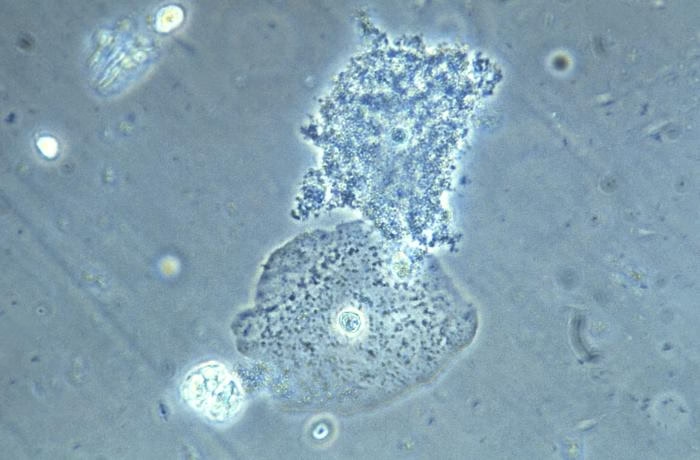
In uncertain cases, a small skin sample may be examined under a microscope to identify mites, eggs, or fecal material.
Because scabies can resemble eczema, contact dermatitis, or other rashes, professional evaluation is important when diagnosis is unclear.
Treatment and Management Options
Scabies requires prescription treatment. Over-the-counter remedies are not effective in eliminating mites.
First-Line Treatments
The most commonly prescribed medication is:
- Permethrin 5% cream
- Applied to the entire body from the neck down (and scalp in infants)
- Left on for 8–14 hours before washing off
- Often repeated in 7–14 days
Other options include:
- Oral ivermectin (especially for crusted scabies or outbreaks)
- Alternative topical scabicides in specific situations
Important Treatment Principles
- All close contacts should be treated simultaneously, even if asymptomatic.
- Itching may continue for several weeks after successful treatment due to persistent allergic reactions.
- Failure of treatment often occurs due to incomplete application or reinfestation—not true drug resistance.
Managing Itching
After mites are eliminated, providers may recommend:
- Topical corticosteroids
- Oral antihistamines
- Moisturizers and soothing lotions
Prevention and Lifestyle Considerations
Preventing spread is essential during an active infection.
Environmental Measures
On the day treatment begins:
- Wash clothing, bedding, and towels used in the previous 3 days in hot water (at least 50°C / 122°F)
- Dry items on high heat
- Seal unwashable items in plastic bags for at least 72 hours
Additional Preventive Steps
- Avoid skin-to-skin contact until treatment is complete
- Notify close contacts
- Follow public health guidance during institutional outbreaks
Routine household cleaning (vacuuming furniture and carpets) may also help reduce risk.
Potential Complications
Untreated scabies can lead to:
- Secondary bacterial infections (e.g., impetigo)
- Skin thickening from chronic scratching
- In rare cases, complications from invasive bacterial infections (particularly in vulnerable populations)
Early treatment reduces these risks significantly.
Conclusion
Scabies is a common and treatable skin condition caused by a microscopic mite. Although it can cause intense itching and discomfort, proper diagnosis and treatment are highly effective. Recognizing the signs, treating all close contacts, and following environmental precautions are key to preventing reinfestation and outbreak spread.
If you suspect scabies, consult a qualified healthcare professional for accurate diagnosis and appropriate treatment. This article is intended for educational purposes only and should not replace professional medical advice.