RSV: What You Need to Know About Respiratory Syncytial Virus

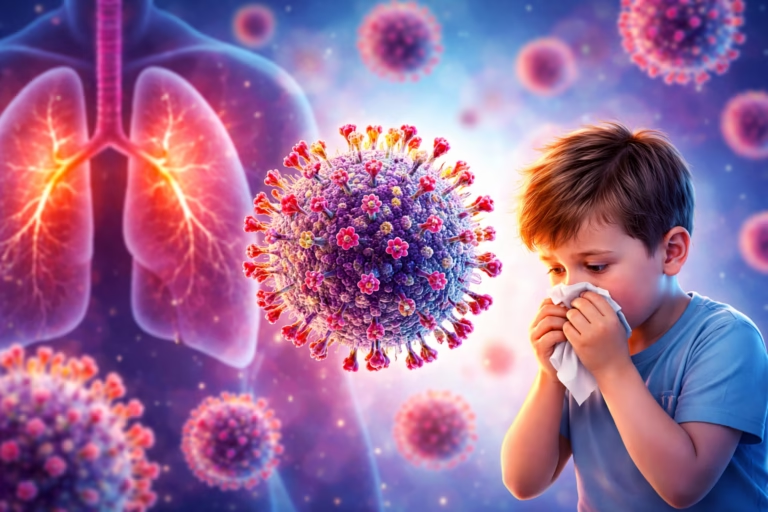
Respiratory Syncytial Virus (RSV) is a common and highly contagious virus that affects the respiratory tract. While it often causes mild, cold-like symptoms in healthy adults and older children, RSV can lead to serious illness in infants, older adults, and individuals with weakened immune systems. Each year, RSV is responsible for significant numbers of hospitalizations worldwide, especially during the fall and winter seasons.
Understanding RSV, how it spreads, who is at risk, and how it is managed, can help individuals and families take appropriate preventive measures and recognize when medical evaluation is needed.
Overview: What Is RSV?
Respiratory Syncytial Virus (RSV) is a viral infection that primarily affects the lungs and airways. It is one of the most common causes of:
- Bronchiolitis (inflammation of the small airways in the lungs)
- Pneumonia
- Upper respiratory infections (similar to the common cold)
Nearly all children are infected with RSV by age 2. In most cases, symptoms are mild. However, RSV can be severe in certain high-risk populations.
RSV infections typically follow seasonal patterns, peaking during late fall, winter, and early spring in many regions.
Causes and Risk Factors
How RSV Spreads
RSV spreads through:
- Respiratory droplets when an infected person coughs or sneezes
- Direct contact (e.g., kissing the face of a child with RSV)
- Touching contaminated surfaces and then touching the face
- Close contact in crowded settings like daycare centers or nursing homes
The virus can survive for several hours on hard surfaces.
Who Is at Higher Risk?
Although anyone can get RSV, some groups are more prone to severe illness:
Infants and young children, especially:
- Premature babies
- Infants younger than 6 months
- Children with chronic lung disease
- Children with congenital heart disease
Older adults, especially:
- Adults aged 65 and older
- Those with chronic heart or lung conditions
Immunocompromised individuals, including:
- Cancer patients undergoing chemotherapy
- Organ transplant recipients
- Individuals on long-term corticosteroid therapy
Symptoms and Clinical Presentation
Symptoms of RSV vary depending on age and overall health status.
In Infants and Young Children
Early symptoms may resemble a common cold:
- Runny nose
- Decreased appetite
- Coughing
- Sneezing
- Low-grade fever
- Wheezing
In more severe cases, particularly bronchiolitis:
- Rapid or labored breathing
- Flaring nostrils
- Grunting
- Chest retractions (skin pulling in around ribs during breathing)
- Bluish coloration of lips or fingernails (a medical emergency)
In Adults and Older Children
Symptoms are typically mild and may include:
- Congestion
- Cough
- Sore throat
- Headache
- Mild fever
- Fatigue
Severe disease in older adults can manifest as pneumonia or worsening of existing conditions such as asthma or chronic obstructive pulmonary disease (COPD).
Diagnosis and Screening
RSV is often diagnosed based on clinical symptoms and physical examination, particularly during peak season.
Common Diagnostic Methods
- Nasal swab tests to detect RSV antigens or genetic material
- PCR testing (polymerase chain reaction) for more precise detection
- Chest X-ray, if pneumonia is suspected
- Pulse oximetry, to measure oxygen levels
Testing is more commonly performed in infants, hospitalized patients, older adults, or high-risk individuals where results may influence management decisions.
Routine screening in healthy adults with mild symptoms is not typically necessary.
Treatment and Management Options
There is no specific antiviral cure for most RSV infections. Management focuses on supportive care.
Mild Cases
Most healthy individuals recover within 1–2 weeks with:
- Rest
- Adequate fluid intake
- Fever reducers (as directed by a healthcare professional)
- Humidified air for comfort
Moderate to Severe Cases
Hospitalization may be required for:
- Oxygen therapy
- Intravenous (IV) fluids
- Mechanical ventilation in rare, severe cases
Antiviral and Preventive Medications
- Ribavirin, an antiviral medication, is rarely used and typically reserved for severe cases in high-risk patients.
- Monoclonal antibodies may be administered to certain high-risk infants to prevent severe disease.
- RSV vaccines have recently become available for:
- Adults aged 60 and older
- Pregnant individuals (to protect newborns through passive immunity)
- Certain high-risk infants
Vaccination policies may vary by country and health authority recommendations.
Prevention and Lifestyle Considerations
Preventing RSV centers on infection control and vaccination where appropriate.
Hygiene Measures
- Wash hands frequently with soap and water
- Avoid touching the face with unwashed hands
- Clean and disinfect frequently touched surfaces
- Avoid close contact with sick individuals
- Cover coughs and sneezes properly
Protecting Infants
- Limit exposure to crowded places during RSV season
- Avoid contact with individuals who have respiratory symptoms
- Encourage breastfeeding when possible, as it provides immune support
- Follow recommended vaccination or monoclonal antibody guidance
Vaccination
Recent advances in vaccine development have made RSV prevention more effective. Individuals in eligible groups should discuss vaccination options with their healthcare provider.
When to Seek Medical Attention
Seek prompt medical care if symptoms include:
- Difficulty breathing
- Persistent high fever
- Dehydration (reduced urination, dry mouth, no tears in infants)
- Bluish lips or fingertips
- Worsening cough or lethargy
Early intervention can reduce the risk of complications, especially in vulnerable populations.
Conclusion
RSV is a common respiratory virus that typically causes mild illness but can lead to serious complications in infants, older adults, and immunocompromised individuals. Recognizing symptoms, understanding risk factors, and taking preventive measures—especially during peak season—are critical steps in reducing transmission and severity.
With the growing availability of preventive therapies and vaccines, there are now more tools than ever to protect high-risk populations. If you or a loved one may be at increased risk, discussing preventive strategies with a healthcare professional is advisable.
Disclaimer:
This article is intended for educational purposes only and does not replace professional medical advice, diagnosis, or treatment. Always consult a qualified healthcare provider regarding any questions or concerns about medical conditions or symptoms.