Respiratory Infections: Causes, Symptoms, Diagnosis, and Prevention
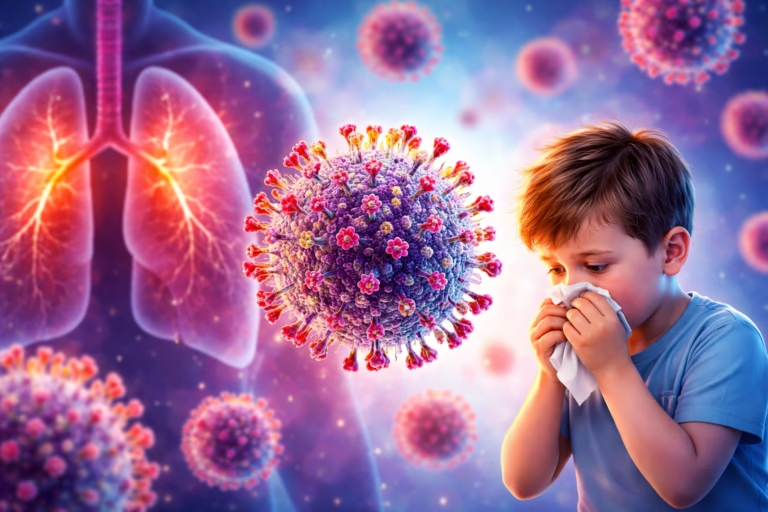
Respiratory infections are among the most common illnesses worldwide, affecting people of all ages. From mild colds to more serious conditions like pneumonia, these infections can impact the airways and lungs, sometimes leading to significant health complications. Understanding how respiratory infections develop, how they are treated, and how they can be prevented is essential for protecting personal and public health.
This article provides a clear, medically accurate overview of respiratory infections, including causes, symptoms, and management strategies.
Overview / Definition
Respiratory infections are infections that affect any part of the respiratory system, which includes:
- The nose and sinuses
- The throat (pharynx)
- The voice box (larynx)
- The airways (bronchi and bronchioles)
- The lungs
These infections are typically categorized into:
1. Upper Respiratory Tract Infections (URTIs)
Affect the nose, sinuses, throat, and larynx. Examples include:
- Common cold
- Sinusitis
- Pharyngitis (sore throat)
- Laryngitis
2. Lower Respiratory Tract Infections (LRTIs)
Affect the airways and lungs. Examples include:
- Bronchitis
- Bronchiolitis
- Pneumonia
- Influenza (flu)
Respiratory infections can be viral, bacterial, or fungal, with viral infections being the most common.
Causes and Risk Factors
Common Causes
Most respiratory infections are caused by viruses, including:
- Rhinoviruses (common cold)
- Influenza viruses
- Respiratory syncytial virus (RSV)
- Coronaviruses
Bacterial infections may involve:
- Streptococcus pneumoniae
- Haemophilus influenzae
- Staphylococcus aureus
Fungal infections are less common but can occur in individuals with weakened immune systems.
Risk Factors
Certain factors increase vulnerability to respiratory infections:
- Young age (especially infants under 5)
- Older adults (65 years and above)
- Smoking or exposure to secondhand smoke
- Chronic lung conditions (e.g., asthma, COPD)
- Heart disease
- Diabetes
- Weakened immune system
- Air pollution exposure
- Crowded living conditions
- Poor hand hygiene
Seasonal changes—particularly colder months—also contribute to higher infection rates due to increased indoor congregation and lower humidity.
Symptoms and Clinical Presentation
Symptoms vary depending on the type, severity, and location of the infection.
Common Symptoms of Upper Respiratory Infections:
- Runny or congested nose
- Sore throat
- Sneezing
- Mild cough
- Low-grade fever
- Fatigue
Common Symptoms of Lower Respiratory Infections:
- Persistent cough
- Production of mucus or phlegm
- Shortness of breath
- Chest discomfort or pain
- High fever
- Wheezing
More serious symptoms that require urgent medical evaluation include:
- Difficulty breathing
- Bluish lips or fingertips
- High fever that does not respond to medication
- Confusion or altered mental status
- Persistent chest pain
Symptoms typically develop within a few days of exposure and may last from several days to weeks, depending on severity.
Diagnosis and Screening
Most respiratory infections are diagnosed through clinical evaluation. A healthcare provider may assess:
- Patient history
- Symptom duration and severity
- Physical examination (listening to the lungs with a stethoscope)
Additional diagnostic tests may include:
- Throat or nasal swabs (to identify viral or bacterial pathogens)
- Chest X-ray (to evaluate suspected pneumonia)
- Blood tests (to detect infection markers)
- Pulse oximetry (to measure oxygen levels)
- Sputum cultures (in certain cases)
Distinguishing between viral and bacterial infections is important because treatment approaches differ significantly.
Treatment and Management Options
Treatment depends on the cause and severity of the infection.
Viral Respiratory Infections
Most viral infections resolve on their own. Management focuses on symptom relief:
- Rest
- Adequate hydration
- Over-the-counter fever reducers (e.g., acetaminophen, ibuprofen)
- Saline nasal sprays
- Humidified air
Antibiotics are not effective against viruses.
Bacterial Respiratory Infections
When a bacterial cause is confirmed or strongly suspected, antibiotics may be prescribed. It is essential to:
- Complete the full course of antibiotics
- Avoid self-medicating with leftover antibiotics
Severe or Complicated Cases
Hospital treatment may be necessary for:
- Severe pneumonia
- Breathing difficulty
- Low oxygen levels
Hospital-based care may include:
- Oxygen therapy
- Intravenous fluids
- Antiviral or antibiotic medications
- Respiratory support (in critical cases)
Early medical evaluation improves outcomes, especially in high-risk individuals.
Prevention and Lifestyle Considerations
Preventing respiratory infections involves both personal hygiene and broader public health strategies.
Effective Preventive Measures
- Frequent handwashing with soap and water
- Avoiding close contact with sick individuals
- Covering coughs and sneezes
- Wearing masks in high-risk settings
- Disinfecting frequently touched surfaces
- Avoiding smoking and secondhand smoke
Vaccination
Vaccination plays a critical role in prevention:
- Annual influenza vaccine
- Pneumococcal vaccine (for high-risk groups and older adults)
- COVID-19 vaccines
- RSV vaccines (available for certain populations)
Vaccines significantly reduce the risk of severe disease, hospitalization, and complications.
Supporting Immune Health
While no supplement can prevent all infections, general health practices help maintain immune function:
- Balanced diet
- Regular exercise
- Adequate sleep
- Stress management
Potential Complications
Although many respiratory infections are mild, complications can occur, including:
- Pneumonia
- Worsening of asthma or COPD
- Ear infections
- Sepsis (in severe cases)
- Respiratory failure
Prompt medical evaluation reduces the risk of serious outcomes.
Conclusion
Respiratory infections are common but vary widely in severity, from mild colds to life-threatening lung infections. They may be caused by viruses, bacteria, or fungi and often spread through respiratory droplets or contact with contaminated surfaces. Recognizing symptoms early, seeking appropriate medical evaluation, and following preventive measures, especially vaccination and good hygiene, are key to protecting respiratory health.
While many infections resolve without complications, certain populations, including older adults and those with chronic conditions, face higher risks and should monitor symptoms carefully.
Disclaimer:
This article is intended for educational purposes only and does not substitute professional medical advice, diagnosis, or treatment. If you are experiencing concerning symptoms or have questions about your health, please consult a qualified healthcare professional.