Rectal Cancer: Understanding Symptoms, Diagnosis, and Treatment
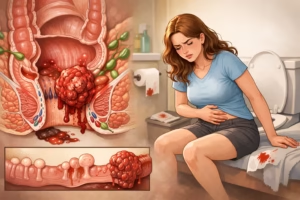
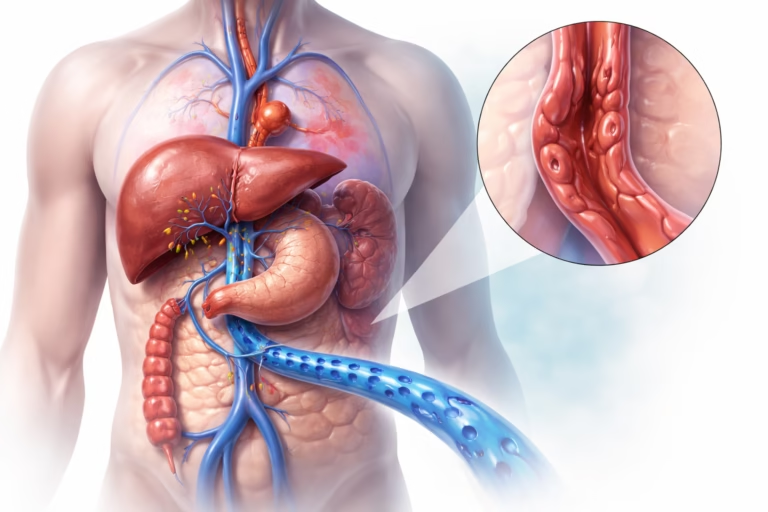
Rectal cancer is a type of cancer that develops in the rectum, the final several inches of the large intestine, just before the anus. It is often grouped together with colon cancer under the term colorectal cancer, but rectal cancer has unique characteristics when it comes to diagnosis, treatment, and management.
Because early stages may not cause noticeable symptoms, understanding risk factors, screening options, and warning signs is essential. When detected early, rectal cancer is often highly treatable.
Overview / Definition
Rectal cancer occurs when abnormal, uncontrolled cell growth develops in the tissues of the rectum. Most rectal cancers begin as benign growths called polyps, specifically adenomatous polyps, which can gradually turn cancerous over time.
The rectum serves as a temporary storage site for stool before elimination. Due to its location within the pelvis and near other vital structures, rectal cancer treatment often differs from colon cancer treatment.
Key Facts:
- It is one of the most common cancers worldwide.
- Risk increases with age, particularly after 45–50 years.
- Early detection significantly improves treatment outcomes.
Causes or Risk Factors
While no single cause explains rectal cancer, several factors increase risk.
Non-Modifiable Risk Factors:
- Age (most cases occur after age 50)
- Personal or family history of colorectal cancer or polyps
- Inherited genetic syndromes, such as:
- Lynch syndrome (Hereditary Nonpolyposis Colorectal Cancer)
- Familial adenomatous polyposis (FAP)
- Inflammatory bowel disease (IBD), including ulcerative colitis and Crohn’s disease
Modifiable Risk Factors:
- Diet high in red or processed meats
- Low intake of fiber, fruits, and vegetables
- Obesity
- Physical inactivity
- Smoking
- Heavy alcohol use
- Type 2 diabetes
While having risk factors increases likelihood, many individuals diagnosed with rectal cancer may not have obvious risk factors.
Symptoms or Clinical Presentation
Early rectal cancer may not produce noticeable symptoms, which makes screening critically important.
As the cancer grows, symptoms may include:
- Rectal bleeding or blood in the stool
- Change in bowel habits (diarrhea, constipation, or narrowing of stool)
- Feeling that the bowel does not empty completely
- Persistent abdominal discomfort
- Weakness or fatigue
- Unexplained weight loss
- Pelvic or rectal pain (more common in advanced stages)
It is important to note that these symptoms can also be caused by non-cancerous conditions such as hemorrhoids or infections. However, persistent or unusual changes should always be evaluated by a healthcare professional.
Diagnosis or Screening
Screening
Routine screening is highly effective in detecting precancerous polyps or early-stage cancer.
Common screening methods include:
- Colonoscopy (gold standard): Allows direct visualization and polyp removal
- Fecal immunochemical test (FIT)
- Stool DNA testing
- Flexible sigmoidoscopy
- CT colonography (virtual colonoscopy)
In many countries, screening is recommended beginning at age 45 for average-risk individuals, though earlier screening may be necessary for high-risk groups.
Diagnostic Evaluation
If rectal cancer is suspected, evaluation may involve:
- Digital rectal examination (DRE)
- Colonoscopy with biopsy
- Imaging studies:
- MRI of the pelvis (especially important for rectal cancer staging)
- CT scan
- Endorectal ultrasound
Cancer staging (Stage I–IV) is based on tumor depth, lymph node involvement, and spread (metastasis). Staging plays a critical role in treatment planning.
Treatment or Management Options
Treatment depends on:
- Cancer stage
- Tumor location
- Overall health of the patient
- Presence of spread (metastasis)
1. Surgery
Surgery is the primary treatment for many cases.
Options may include:
- Local excision (for very early-stage tumors)
- Low anterior resection (LAR)
- Abdominoperineal resection (APR) (may require permanent colostomy)
2. Radiation Therapy
Radiation is often used for rectal cancer (more commonly than in colon cancer), either:
- Before surgery (neoadjuvant therapy) to shrink tumors
- After surgery to reduce recurrence risk
3. Chemotherapy
Chemotherapy may be given:
- Before surgery
- After surgery
- For advanced or metastatic disease
Common medications include fluoropyrimidines (e.g., 5-FU or capecitabine), oxaliplatin, and targeted agents in select cases.
4. Targeted Therapy and Immunotherapy
For advanced disease:
- Targeted therapies focus on specific molecular characteristics of cancer cells.
- Immunotherapy may be used in tumors with specific genetic features, such as microsatellite instability (MSI-high).
Treatment is typically coordinated by a multidisciplinary team including surgeons, medical oncologists, radiation oncologists, and radiologists.
Prevention or Lifestyle Considerations
While not all rectal cancers can be prevented, certain healthy habits significantly reduce risk.
Protective Measures:
- Participate in routine colorectal cancer screening
- Maintain a diet rich in:
- Fruits and vegetables
- Whole grains
- Fiber
- Limit red and processed meats
- Exercise regularly
- Maintain a healthy body weight
- Avoid tobacco use
- Limit alcohol consumption
For high-risk individuals, genetic counseling and early surveillance may be recommended.
Prognosis
Survival largely depends on the stage at diagnosis:
- Early-stage (Stage I): High five-year survival rates
- Advanced-stage (Stage IV): More complex, but treatments continue to improve
Early detection through screening greatly enhances survival outcomes.
Conclusion
Rectal cancer is a common but often preventable and treatable gastrointestinal cancer. Because early stages may not cause noticeable symptoms, regular screening is one of the most powerful tools in reducing risk and improving survival. Awareness of warning signs, understanding risk factors, and adopting healthy lifestyle habits are essential steps toward prevention.
If you experience persistent changes in bowel habits or rectal bleeding, prompt medical evaluation is important. Early detection can make a significant difference in outcomes.
Disclaimer:
This article is intended for educational purposes only and does not replace professional medical advice, diagnosis, or treatment. If you have concerns about symptoms or cancer risk, consult a qualified healthcare professional for personalized guidance.