Rashes: Causes, Symptoms, Diagnosis, and Treatment Explained
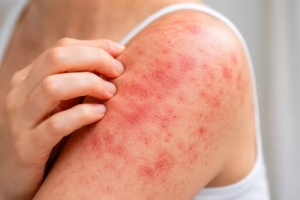
Skin rashes are a common concern that affect people of all ages. From mild redness that resolves on its own to more serious eruptions requiring medical attention, rashes can vary widely in appearance, cause, and severity. While many are harmless, some may signal an underlying medical condition that requires evaluation.
This article offers a clear, medically accurate overview of rashes, including what they are, why they occur, and how they are treated.
Overview: What Is a Rash?
A rash is a noticeable change in the skin’s appearance, texture, or color. It may involve:
- Redness
- Swelling
- Itching
- Blisters
- Dryness or scaling
- Pain or tenderness
Rashes may affect a small, localized area or spread across large parts of the body. They can appear suddenly or develop gradually over time.
Dermatologists classify rashes broadly into categories such as:
- Inflammatory rashes (e.g., eczema, psoriasis)
- Infectious rashes (e.g., viral exanthems, fungal infections)
- Allergic reactions (e.g., contact dermatitis)
- Autoimmune-related skin conditions
- Systemic illness–related rashes
Understanding the underlying cause is key to appropriate treatment.
Causes and Risk Factors
Rashes have many possible causes. Some are external (environmental), while others are internal (immune or systemic).
1. Allergic Reactions
Allergic rashes occur when the immune system reacts to a substance it considers harmful.
Common triggers include:
- Soaps, detergents, cosmetics
- Fragrances
- Nickel jewelry
- Certain foods
- Medications
Contact dermatitis is one of the most common allergic rashes.
2. Infections
Infectious rashes may be caused by:
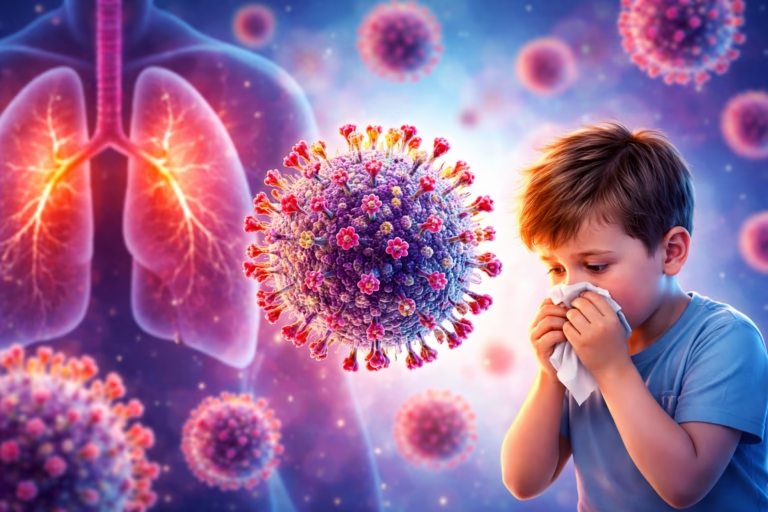
- Viruses (e.g., measles, chickenpox, hand-foot-and-mouth disease)
- Bacteria (e.g., impetigo, scarlet fever)
- Fungi (e.g., ringworm, athlete’s foot)
- Parasites (e.g., scabies)
Children often experience viral rashes during routine childhood illnesses.
3. Chronic Skin Conditions
Some rashes are part of long-term inflammatory skin disorders:
- Eczema (Atopic dermatitis) – itchy, inflamed patches
- Psoriasis – thick, scaly plaques
- Rosacea – facial redness and bumps
- Seborrheic dermatitis – dandruff-like scaling
4. Environmental Factors
- Heat and sweating (heat rash)
- Cold, dry air
- Excessive sun exposure
- Friction from clothing
5. Underlying Medical Conditions
Certain systemic diseases may present with a rash:
- Autoimmune diseases (e.g., lupus)
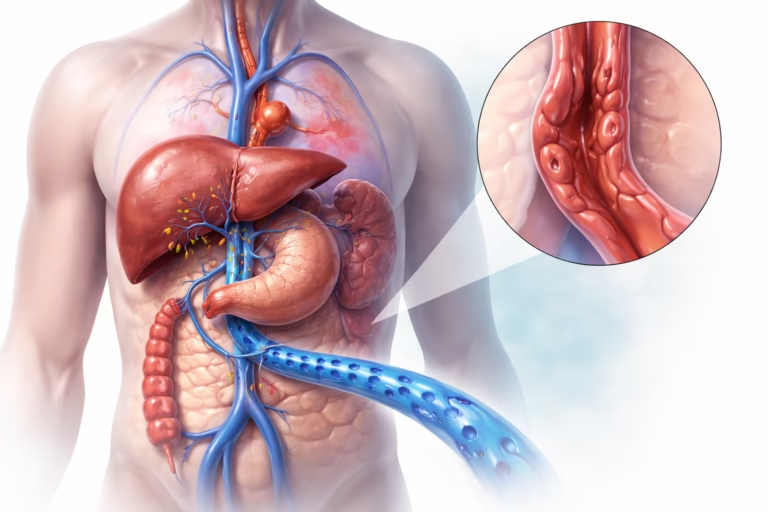
- Liver disease
- Blood disorders
- Drug reactions
- COVID-19 and other viral infections
Risk Factors
Individuals may be at higher risk if they:
- Have allergies or asthma
- Have a family history of eczema or psoriasis
- Have a weakened immune system
- Are exposed to irritants or chemicals at work
- Take new medications
Symptoms and Clinical Presentation
Rashes can vary in severity and appearance. Symptoms may include:
- Red or discolored patches
- Raised bumps (papules)
- Fluid-filled blisters (vesicles)
- Pus-filled lesions (pustules)
- Scaling or flaking
- Crusting
- Itching (pruritus)
- Burning or stinging
- Pain
Warning Signs Requiring Immediate Medical Attention
Seek urgent medical care if a rash is accompanied by:
- Difficulty breathing or swelling of the face/throat
- High fever
- Rapid spread
- Severe pain
- Purple or bruise-like spots that do not blanch
- Signs of infection (increasing redness, warmth, pus)
These may indicate conditions such as severe allergic reactions or systemic infections.
Diagnosis: How Rashes Are Evaluated
Diagnosis typically begins with a thorough medical history and physical examination.
A healthcare professional may ask:
- When did the rash start?
- Has it spread?
- Is it itchy or painful?
- Have there been new medications or products used recently?
- Are there associated symptoms (fever, fatigue)?
Diagnostic Tools May Include:
- Skin examination under magnification
- Skin swab or culture for infection
- Blood tests to assess systemic disease or allergy
- Skin biopsy for unclear or persistent rashes
- Patch testing for suspected allergic contact dermatitis
In many cases, experienced clinicians can identify common rashes based on appearance and distribution alone.
Treatment and Management Options
Treatment depends on the underlying cause. A proper diagnosis is crucial for effective management.
1. For Allergic or Inflammatory Rashes
- Topical corticosteroids (to reduce inflammation)
- Oral antihistamines (to relieve itching)
- Calcineurin inhibitors (for certain chronic conditions)
- Avoidance of irritants or allergens
2. For Infectious Rashes
- Antiviral medications (in select cases)
- Oral or topical antibiotics for bacterial infections
- Antifungal creams or oral medications
- Antiparasitic treatments
3. For Chronic Skin Conditions
Long-term management strategies may include:
- Prescription topical therapies
- Systemic medications (in moderate to severe cases)
- Biologic therapies for autoimmune skin diseases
- Phototherapy (controlled UV light treatment)
4. Supportive Care Measures
Regardless of cause, supportive care often helps:
- Gentle skin cleansing
- Fragrance-free moisturizers
- Cool compresses
- Loose, breathable clothing
- Avoiding scratching
Early treatment may prevent complications such as secondary infection or skin thickening.
Prevention and Lifestyle Considerations
While not all rashes are preventable, certain strategies can reduce risk:
Skin Care Tips
- Use mild, fragrance-free skincare products
- Moisturize regularly, especially in dry climates
- Avoid long, hot showers
- Use sunscreen daily
Allergy Prevention
- Identify and avoid known triggers
- Perform patch testing if needed
- Keep living spaces clean and dust-free
Infection Prevention
- Practice good hygiene
- Avoid sharing personal items (e.g., towels, brushes)
- Keep skin clean and dry
- Stay up to date with vaccinations
General Health Measures
- Manage stress (which can exacerbate some skin conditions)
- Maintain a balanced diet
- Stay hydrated
- Seek prompt treatment for new or worsening symptoms
When to See a Healthcare Professional
Consider medical evaluation if:
- The rash persists beyond a few days without improvement
- It worsens despite home care
- It interferes with sleep or daily life
- There are signs of infection
- It is associated with fever or systemic symptoms
Early assessment improves outcomes and reduces complications.
Conclusion
Rashes are common and often harmless, but they can sometimes signal more serious health concerns. Causes range from allergies and infections to chronic inflammatory diseases and systemic conditions. Accurate diagnosis is the key to appropriate treatment and symptom relief.
Most rashes respond well to targeted therapies and supportive skin care. However, persistent, painful, or worsening rashes should be evaluated by a qualified healthcare professional.
Disclaimer: This article is intended for educational purposes only and should not replace professional medical advice. If you are experiencing a rash or related symptoms, consult a licensed healthcare provider for proper diagnosis and treatment.