Rare Diseases: Understanding the Challenges, Advances, and Hope
Rare diseases may affect only a small percentage of the population, but collectively, they impact millions of people worldwide. These conditions often pose unique medical, social, and emotional challenges due to delayed diagnosis, limited research, and restricted treatment options. Increasing awareness and understanding is essential, not only for patients and families but also for healthcare professionals and the broader community.
In this article, we explore what rare diseases are, their causes and symptoms, how they are diagnosed, available treatment approaches, and important lifestyle considerations.
Overview / Definition
A rare disease is typically defined by its low prevalence in the general population. Definitions vary by region:
- In the United States, a rare disease affects fewer than 200,000 people.
- In the European Union, it affects fewer than 1 in 2,000 people.
Although individual conditions are rare, there are more than 7,000 identified rare diseases, collectively affecting an estimated 300 million people worldwide.
Key Characteristics of Rare Diseases
- Many are genetic in origin
- Often chronic and progressive
- Frequently diagnosed in childhood
- May be life-threatening or severely disabling
- Limited treatment options for many conditions
Examples include cystic fibrosis, Huntington’s disease, Duchenne muscular dystrophy, and Gaucher disease.
Causes or Risk Factors
The causes of rare diseases vary depending on the condition. However, several common factors are known:
1. Genetic Mutations
Approximately 70–80% of rare diseases are genetic, caused by mutations in one or more genes. These mutations may be:
- Inherited from one or both parents
- The result of spontaneous (new) genetic changes
2. Infections
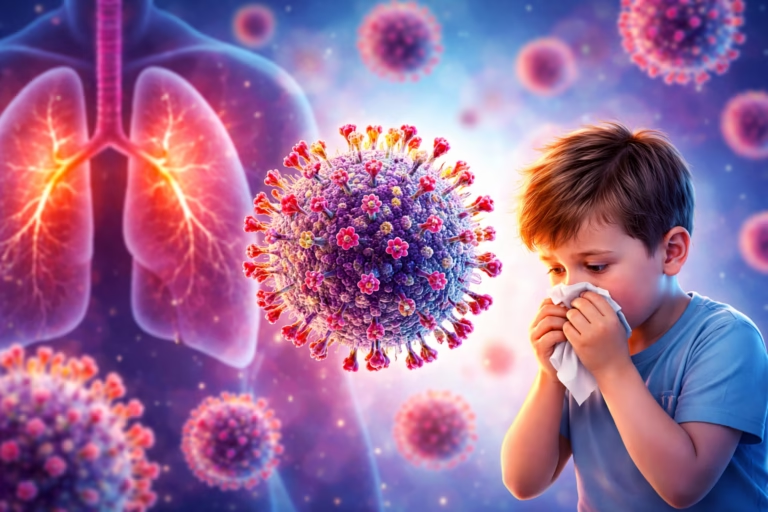
Some rare diseases arise from uncommon infections, including certain viral or bacterial conditions.
3. Environmental Exposures
Exposure to toxins or environmental triggers, particularly during pregnancy, may contribute to certain rare disorders.
4. Autoimmune or Degenerative Processes
Some rare diseases involve abnormal immune responses or progressive degeneration of organs or tissues.
In many cases, the exact cause may remain unknown, particularly for newly identified or extremely rare conditions.
Symptoms or Clinical Presentation
Symptoms of rare diseases vary widely depending on the affected organ systems. Because these diseases are rare, symptoms may initially be mistaken for more common conditions, contributing to diagnostic delays.
Common patterns include:
- Developmental delays in children
- Muscle weakness or movement disorders
- Chronic pain or fatigue
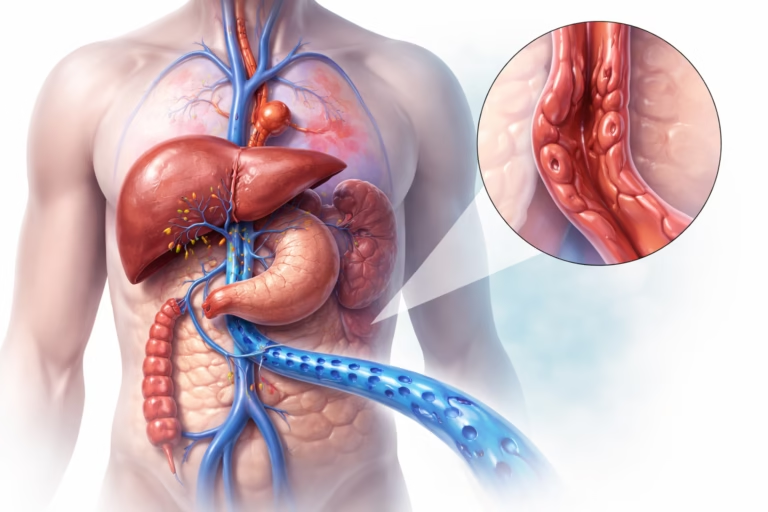
- Organ dysfunction (heart, liver, lungs, or kidneys)
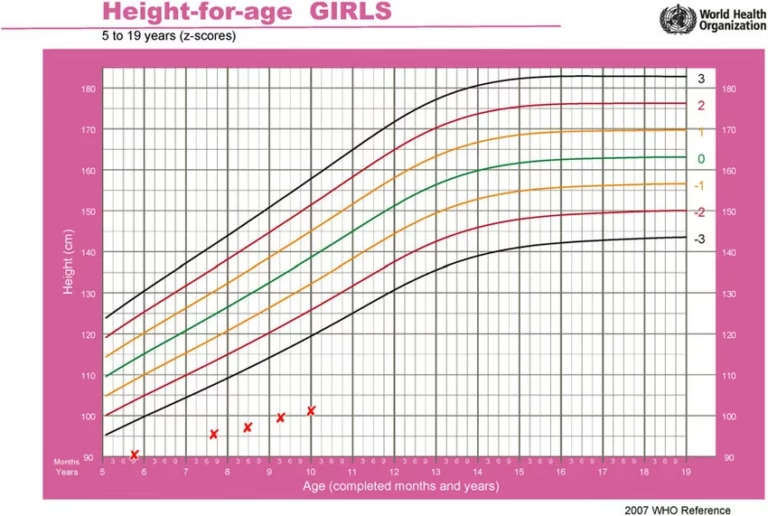
- Unusual physical features or growth abnormalities
- Neurological symptoms such as seizures or cognitive changes
The “Diagnostic Odyssey”
Many patients with rare diseases experience years of testing and consultations before receiving a correct diagnosis. This journey is often referred to as a diagnostic odyssey, reflecting:
- Misdiagnoses
- Repeated testing
- Emotional and financial strain
- Limited specialist access
Early recognition and referral to specialists can significantly improve outcomes.
Diagnosis or Screening
Diagnosing rare diseases can be complex and requires a combination of clinical evaluation and advanced testing.
Diagnostic Tools May Include:
- Detailed medical history and family history
- Genetic testing (including whole exome or genome sequencing)
- Blood and biochemical tests
- Imaging studies (MRI, CT scans, ultrasound)
- Tissue biopsy, when appropriate
Newborn Screening
Some rare diseases can be detected shortly after birth through newborn screening programs, which test for specific metabolic or genetic disorders. Early detection can improve treatment effectiveness and prevent complications.
Because expertise may be limited, patients are often referred to specialized centers or rare disease clinics for further evaluation.
Treatment or Management Options
Treatment varies widely depending on the condition. For many rare diseases, there is currently no cure, but symptom management and supportive care can significantly improve quality of life.
Common Treatment Approaches
- Medications to manage symptoms or slow disease progression
- Enzyme replacement therapy for certain metabolic disorders
- Gene therapy, an emerging option for some genetic conditions
- Physical, occupational, or speech therapy
- Surgical interventions, when indicated
- Nutritional support
Orphan Drugs
Medications developed specifically for rare diseases are known as orphan drugs. Governments often provide incentives to encourage their development, given the small market size.
Advances in molecular medicine and gene editing technologies (such as CRISPR) are expanding future treatment possibilities.
Prevention or Lifestyle Considerations
Because most rare diseases are genetic, prevention is not always possible. However, certain strategies may help reduce risk or improve disease management.
Genetic Counseling
Individuals with a family history of rare genetic conditions may benefit from:
- Preconception counseling
- Carrier screening
- Prenatal testing (where appropriate)
Healthy Lifestyle Practices
While lifestyle changes may not prevent genetic conditions, they can support overall health:
- Balanced nutrition
- Regular physical activity (as medically appropriate)
- Avoidance of smoking and harmful substances
- Routine medical follow-up
Psychosocial Support
Living with a rare disease can affect mental health and social wellbeing. Support groups, counseling, and patient advocacy networks can provide valuable assistance and community connection.
The Importance of Research and Advocacy
Research into rare diseases is rapidly evolving. International collaborations, patient registries, and genomic medicine initiatives are improving diagnosis and expanding treatment options.
Key ongoing efforts include:
- Development of targeted therapies
- Improved genetic sequencing technologies
- Expanded newborn screening programs
- Patient-centered research models
Awareness campaigns such as Rare Disease Day help highlight the collective impact of these conditions and promote equity in healthcare access.
Conclusion
Rare diseases are individually uncommon but collectively significant, affecting millions worldwide. Most are genetic, chronic, and complex, often requiring specialized diagnosis and long-term management. Advances in genetics, personalized medicine, and pharmaceutical research offer growing hope for improved treatments and outcomes.
Early recognition, access to expert care, and continued research remain essential. While challenges persist, increased awareness and scientific progress are transforming the landscape of rare disease care.
Disclaimer:
This article is intended for educational purposes only and does not constitute medical advice. If you or someone you know has symptoms or concerns related to a rare disease, please consult a qualified healthcare professional for personalized evaluation and guidance.