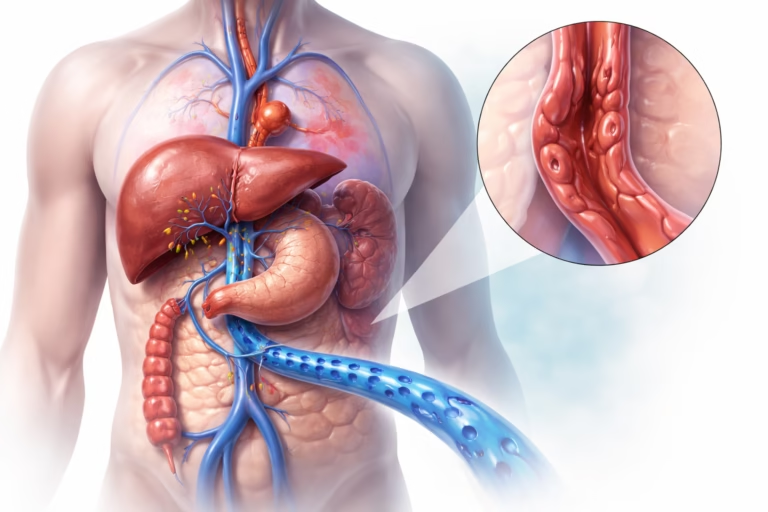
Rabies: Symptoms, Causes, Prevention, and Life-Saving Treatment

Rabies is a rare but almost universally fatal viral disease once symptoms appear. Despite being entirely preventable through vaccination and timely medical care, rabies continues to claim thousands of lives each year, primarily in regions with limited access to healthcare and animal vaccination programs. Understanding how rabies spreads, what symptoms look like, and how it can be prevented is critical for protecting both individuals and communities.
In this article, we’ll explore rabies in clear, accessible terms, covering its causes, symptoms, diagnosis, treatment options, and most importantly, prevention strategies.
Overview / Definition
Rabies is a viral infection caused by the rabies virus, a member of the Lyssavirus genus. It primarily affects mammals and attacks the central nervous system (CNS), leading to inflammation of the brain (encephalitis).
Once clinical symptoms appear, rabies is nearly always fatal. However, prompt medical care after exposure can effectively prevent the disease from developing.
Rabies is transmitted through the saliva of infected animals, most commonly via bites. Dogs are the primary source of human rabies deaths globally, although wildlife such as bats, raccoons, foxes, and skunks are significant reservoirs in certain regions.
Causes and Risk Factors
How Rabies Spreads
Rabies is transmitted when saliva from an infected animal enters the body through:
- Bites
- Scratches that break the skin
- Contact with mucous membranes (eyes, nose, mouth)
- Rarely, organ transplantation from an infected donor
The virus travels along peripheral nerves toward the brain, where it multiplies and causes severe neurological damage.
High-Risk Factors
Several factors increase the likelihood of rabies exposure:
- Living in or traveling to regions where rabies is common
- Frequent contact with animals (veterinarians, wildlife workers)
- Handling bats or wild animals
- Lack of access to post-exposure prophylaxis (PEP)
- Unvaccinated domestic pets
Children are particularly vulnerable due to their tendency to approach animals and their smaller body size, which may lead to bites closer to the head and neck.
Symptoms and Clinical Presentation
The incubation period (time between exposure and symptoms) typically ranges from 1 to 3 months, but it can vary from days to over a year depending on factors such as bite location and viral load.
Rabies progresses in stages:
1. Early (Prodromal) Symptoms
These symptoms are often nonspecific and resemble flu-like illness:
- Fever
- Headache
- Fatigue
- Nausea and vomiting
- Pain, tingling, or itching at the bite site (a hallmark symptom)
2. Acute Neurologic Phase
As the virus affects the brain, more severe symptoms develop:
- Anxiety and agitation
- Confusion
- Hallucinations
- Muscle spasms
- Difficulty swallowing
- Excessive salivation
Two clinical forms may appear:
- Furious rabies (more common): hyperactivity, agitation, hydrophobia (fear of water), aerophobia (fear of air drafts)
- Paralytic rabies: gradual muscle weakness and paralysis, often mistaken for other neurological disorders
3. Coma and Death
Without treatment, rabies leads to coma and death, typically due to respiratory failure.
Diagnosis and Screening
Diagnosing rabies before death is challenging, especially early in the disease. There is no single test that can definitively confirm rabies in living patients without specialized laboratory techniques.
Diagnostic methods may include:
- Saliva testing for viral RNA
- Skin biopsy from the neck
- Blood tests for antibodies
- Cerebrospinal fluid (CSF) analysis
- Neuroimaging (to assess brain inflammation)
Due to the high fatality rate, treatment decisions are typically based on exposure history rather than waiting for test confirmation.
Treatment and Management Options
Post-Exposure Prophylaxis (PEP)
Rabies is preventable if treatment begins before symptoms appear.
PEP involves:
- Immediate wound washing
- Thorough cleaning with soap and water for at least 15 minutes
- Application of antiseptics (e.g., iodine or alcohol-based solutions)
- Rabies immune globulin (RIG)
- Given around the wound site to provide immediate passive immunity
- Rabies vaccine series
- Administered over several days to stimulate active immunity
When given promptly and correctly, PEP is nearly 100% effective.
Treatment After Symptom Onset
Once symptoms develop, there is no proven effective treatment. Care becomes primarily supportive, focusing on:
- Maintaining breathing and circulation
- Comfort measures
- Intensive care support
A few experimental treatment attempts (such as the Milwaukee protocol) have been tried, but survival remains extremely rare.
Prevention and Lifestyle Considerations
Prevention is the cornerstone of rabies control.
Individual Prevention Measures
- Vaccinate pets (dogs, cats, ferrets)
- Avoid contact with wild or unfamiliar animals
- Seek immediate medical evaluation after any animal bite
- Supervise children around animals
- Do not handle bats or wild mammals
Pre-Exposure Vaccination
Recommended for:
- Veterinarians
- Animal handlers
- Laboratory workers handling the virus
- Travelers to high-risk areas
Pre-exposure vaccination does not eliminate the need for PEP after exposure but simplifies treatment.
Public Health Measures
- Widespread canine vaccination programs
- Public education campaigns
- Stray animal population control
- Improved access to rabies vaccines globally
Global elimination of dog-mediated human rabies is considered achievable through coordinated vaccination efforts.
Conclusion
Rabies is one of the deadliest infectious diseases known—but it is also one of the most preventable. The virus spreads through infected animal saliva and progressively attacks the nervous system, leading to fatal encephalitis once symptoms begin. However, prompt wound care and timely post-exposure prophylaxis can completely prevent disease development.
Key takeaways:
- Rabies is nearly always fatal after symptoms appear.
- Early medical treatment after exposure is life-saving.
- Vaccinating pets and avoiding wildlife contact are essential preventive measures.
- Public health initiatives remain critical in reducing global rabies deaths.
If you suspect exposure to rabies, seek immediate evaluation from qualified healthcare professionals.
Disclaimer:
This article is intended for educational purposes only and does not constitute medical advice. If you have been exposed to a potentially rabid animal or have concerns about rabies, please consult a licensed healthcare provider or local public health authority promptly.