Pulmonary Embolism: Causes, Symptoms, Diagnosis, and Treatment
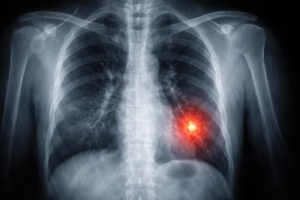
Pulmonary embolism (PE) is a serious and potentially life-threatening medical condition that occurs when a blood clot blocks one or more arteries in the lungs. Because its symptoms can sometimes be subtle or mistaken for other conditions, early recognition and prompt medical care are critical. Understanding what pulmonary embolism is, what causes it, and how it is treated can help improve outcomes and even save lives.
Overview: What Is Pulmonary Embolism?
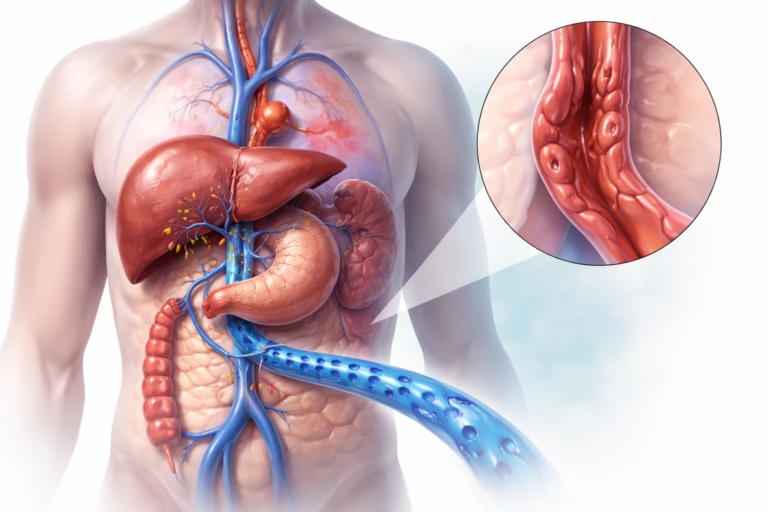
A pulmonary embolism occurs when a blood clot—most often formed in the deep veins of the legs—travels through the bloodstream and lodges in the lungs. This condition is commonly associated with deep vein thrombosis (DVT), and together they are referred to as venous thromboembolism (VTE).
When a clot blocks blood flow in the lungs, it can:
- Reduce oxygen levels in the blood
- Damage lung tissue
- Strain the heart, particularly the right ventricle
- In severe cases, cause cardiovascular collapse
PE can range in severity from small clots with minimal symptoms to massive embolisms that are life-threatening.
Causes and Risk Factors
In most cases, pulmonary embolism originates from a blood clot in a deep vein, usually in the legs or pelvis. Several factors increase the risk of clot formation.
Common Risk Factors
Prolonged immobility, such as:
- Long-distance travel (airplane or car)
- Extended bed rest due to illness or surgery
- Hospitalization
Surgery and trauma, particularly:
- Orthopedic surgeries (hip or knee replacement)
- Major abdominal or pelvic surgery
Medical conditions, including:
- Cancer and cancer treatments
- Heart disease
- Chronic inflammatory disorders
- COVID-19 infection (associated with increased clotting risk)
Inherited clotting disorders, such as:
- Factor V Leiden mutation
- Prothrombin gene mutation
- Protein C, protein S, or antithrombin deficiencies
Hormonal factors, including:
- Use of oral contraceptives
- Hormone replacement therapy
- Pregnancy and the postpartum period
Lifestyle-related risk factors:
- Smoking
- Obesity
- Sedentary lifestyle
Age over 60 also increases risk, though PE can occur at any age.
Symptoms and Clinical Presentation
Symptoms of pulmonary embolism can vary depending on the size of the clot and the amount of lung tissue affected.
Common Symptoms
- Sudden shortness of breath
- Chest pain (often sharp and worse with deep breathing)
- Rapid breathing
- Rapid heart rate
- Cough (sometimes with blood-streaked sputum)
Signs of More Severe PE
- Lightheadedness or fainting
- Low blood pressure
- Cyanosis (bluish lips or nails)
- Sudden cardiovascular collapse
Sometimes, symptoms of deep vein thrombosis appear before PE develops. These may include:
- Leg swelling (usually one leg)
- Leg pain or tenderness
- Warmth or redness of the affected limb
PE is a medical emergency. Sudden unexplained shortness of breath or chest pain should be evaluated immediately.
Diagnosis and Screening
Prompt diagnosis improves survival. Healthcare providers use a combination of clinical assessment, scoring systems, laboratory tests, and imaging studies.
Diagnostic Tools
Clinical probability scores
Tools such as the Wells Score help estimate the likelihood of PE.
D-dimer test
A blood test that measures clot degradation products. A normal result may help rule out PE in low-risk patients.
Imaging studies:
- CT pulmonary angiography (CTPA) – The most commonly used and reliable imaging test
- Ventilation-perfusion (V/Q) scan – Often used in patients who cannot undergo CT scans
- Ultrasound of the legs – To detect deep vein thrombosis
Echocardiography may be used in severe cases to evaluate heart strain.
Treatment and Management Options
Treatment aims to prevent clot growth, reduce complications, and lower the risk of recurrence.
1. Anticoagulation (Blood Thinners)
This is the primary treatment for most patients.
Common medications include:
- Direct oral anticoagulants (e.g., apixaban, rivaroxaban)
- Heparin (intravenous or subcutaneous)
- Warfarin (less commonly used today)
Treatment duration typically ranges from 3 months to long-term, depending on underlying risk factors.
2. Thrombolytic Therapy
In severe or life-threatening PE, clot-dissolving medications (e.g., alteplase) may be administered. These carry a higher risk of bleeding and are reserved for specific situations.
3. Surgical or Catheter-Based Procedures
In selected cases:
- Catheter-directed thrombolysis
- Mechanical clot removal (embolectomy)
These options are typically used when anticoagulation alone is insufficient or contraindicated.
4. Inferior Vena Cava (IVC) Filter
An IVC filter may be placed in patients who cannot take anticoagulants. It helps prevent clots from traveling to the lungs but does not treat existing PE.
Prevention and Lifestyle Considerations
Preventing pulmonary embolism often involves reducing the risk of DVT.
Prevention Strategies
- Early mobilization after surgery or illness
- Compression stockings for at-risk individuals
- Prophylactic anticoagulants during hospitalization
- Staying hydrated during long travel
- Taking movement breaks during flights or long drives
Lifestyle Modifications
- Maintain a healthy weight
- Engage in regular physical activity
- Avoid smoking
- Discuss hormone therapy risks with a healthcare provider
Individuals with inherited clotting disorders or previous VTE may require personalized prevention plans.
Prognosis and Long-Term Outlook
With prompt diagnosis and appropriate treatment, many individuals recover fully. However, complications can occur, including:
- Recurrent pulmonary embolism
- Chronic thromboembolic pulmonary hypertension (CTEPH)
- Long-term reduced exercise tolerance
Early treatment significantly reduces mortality risk.
Conclusion
Pulmonary embolism is a serious condition caused by a blood clot that blocks blood flow in the lungs. It most often arises from deep vein thrombosis and can present with sudden shortness of breath, chest pain, or rapid heart rate. Diagnosis relies on clinical assessment and imaging, while anticoagulation remains the cornerstone of treatment.
Prevention—particularly in high-risk individuals—plays a vital role in reducing complications. Awareness of symptoms and risk factors is essential for timely intervention and improved outcomes.
Disclaimer
This article is intended for educational purposes only and does not substitute professional medical advice. If you experience symptoms suggestive of pulmonary embolism or have concerns about your health, consult a qualified healthcare provider promptly for evaluation and personalized care.