Public Health: Protecting and Improving the Health of Communities
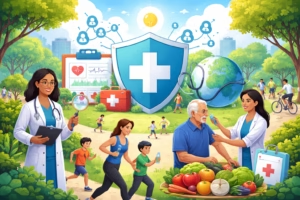
Public health is the foundation of thriving societies. While medicine often focuses on treating individuals, public health looks at the bigger picture—protecting and improving the health of entire populations. From vaccination campaigns and clean water systems to health education and disease prevention strategies, public health initiatives save millions of lives each year.
Understanding public health helps individuals appreciate how community-wide efforts contribute to longer life expectancy, reduced disease burden, and better quality of life.
Overview / Definition of Public Health
Public health is the science and practice of preventing disease, prolonging life, and promoting health through organized efforts at the community, national, and global levels.
Unlike clinical medicine, which treats patients one-on-one, public health focuses on:
- Disease prevention rather than treatment
- Health promotion at a population level
- Addressing social, environmental, and economic factors that influence health
Public health encompasses a wide range of fields, including:
- Epidemiology (study of disease patterns)
- Environmental health
- Biostatistics
- Health policy and management
- Occupational health
- Global health
- Behavioral and community health
Its goal is simple yet powerful: to create conditions in which people can be healthy.
Major Determinants, Causes, and Risk Factors Affecting Public Health
Health outcomes are influenced by more than just medical care. Public health recognizes several key determinants of health:
1. Social Determinants of Health
These include the conditions in which people are born, grow, work, and age. Examples:
- Income and socioeconomic status
- Education level
- Employment conditions
- Housing quality
- Access to nutritious food
- Social support networks
2. Environmental Risk Factors
- Air and water pollution
- Exposure to toxins
- Climate change
- Poor sanitation
- Unsafe living environments
3. Behavioral Risk Factors
Many preventable diseases are linked to modifiable behaviors:
- Tobacco use
- Excessive alcohol consumption
- Unhealthy diets
- Physical inactivity
- Unsafe sexual practices
4. Biological and Genetic Factors
- Age
- Genetic predisposition
- Sex and biological characteristics
Public health initiatives often target modifiable risk factors to reduce disease burden.
Symptoms or Clinical Presentation at a Population Level
Public health does not typically focus on individual symptoms but rather on patterns of disease within populations.
For example:
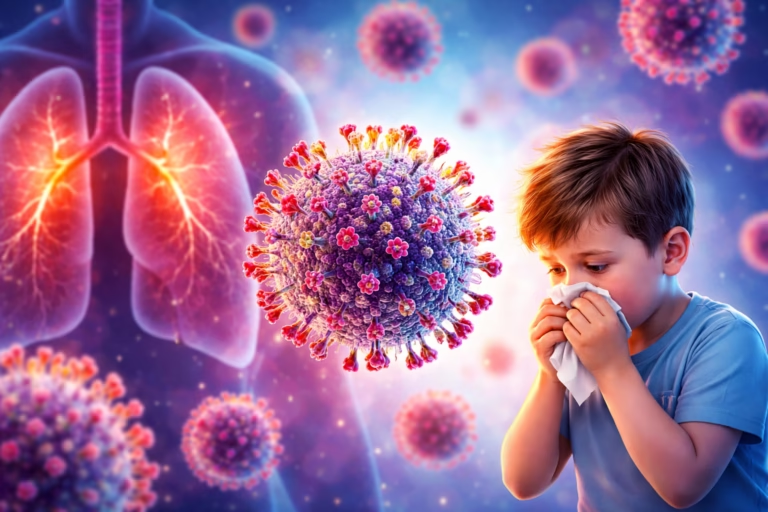
- A sudden rise in flu-like symptoms may signal an influenza outbreak.
- Increased cases of gastrointestinal illness could indicate water contamination.
- Elevated rates of obesity or diabetes may reflect broader lifestyle and socioeconomic trends.
Epidemiologists analyze these patterns using surveillance systems to detect outbreaks, identify trends, and guide interventions.
Diagnosis or Screening in Public Health
In public health, “diagnosis” often refers to identifying patterns or outbreaks rather than diagnosing individuals.
Key tools include:
1. Surveillance Systems
These collect and analyze health data to monitor:
- Infectious diseases (e.g., influenza, COVID-19)
- Chronic diseases (e.g., cancer, diabetes)
- Environmental exposures
2. Screening Programs
Screening helps detect disease early in asymptomatic populations. Examples include:
- Mammography for breast cancer
- Colon cancer screening
- Blood pressure and cholesterol checks
- Newborn screening for genetic conditions
Screening programs are assessed for effectiveness, cost-efficiency, and potential harms before implementation on a large scale.
Treatment or Management Strategies in Public Health
Public health management strategies aim to reduce disease burden and improve health outcomes on a broad scale.
1. Vaccination Programs
Immunization has dramatically reduced diseases like:
- Measles
- Polio
- Diphtheria
- Hepatitis B
Vaccines are among the most effective public health tools available.
2. Health Education Campaigns
Examples include campaigns promoting:
- Smoking cessation
- Condom use to prevent sexually transmitted infections
- Healthy eating and physical activity
3. Environmental Interventions
- Water purification systems
- Air quality regulations
- Food safety standards
4. Policy and Legislative Measures
Governments play a key role in:
- Tobacco taxation
- Seatbelt laws
- Mandatory vaccination requirements
- Occupational safety regulations
Public policy significantly influences health outcomes at the population level.
Prevention and Lifestyle Considerations
Prevention is the cornerstone of public health and is often categorized into three levels:
Primary Prevention
Prevents disease before it occurs:
- Vaccination
- Health education
- Smoking prevention programs
Secondary Prevention
Detects disease early:
- Routine cancer screenings
- Blood pressure monitoring
- Cholesterol testing
Tertiary Prevention
Reduces complications in established disease:
- Rehabilitation programs
- Chronic disease management initiatives
Individuals can support public health efforts by:
- Staying up to date with vaccinations
- Participating in recommended screenings
- Adopting healthy lifestyle habits
- Following public health guidance during outbreaks
The Global Perspective on Public Health
Public health challenges extend beyond borders. Key global concerns include:
- Emerging infectious diseases
- Antimicrobial resistance
- Climate change and health
- Food and water insecurity
- Non-communicable diseases (e.g., heart disease, cancer)
Organizations such as the World Health Organization (WHO) and national public health agencies coordinate international responses to protect populations worldwide.
Why Public Health Matters
Public health has led to some of the most significant improvements in human longevity and quality of life, including:
- Increased life expectancy
- Reduced infant and maternal mortality
- Control and eradication of infectious diseases
- Improved sanitation and food safety
- Safer workplaces and transportation systems
Most people benefit from public health measures every day without noticing them—through safe drinking water, vaccination programs, and regulations that protect food and air quality.
Conclusion
Public health is a vital discipline dedicated to preventing disease, promoting well-being, and protecting entire populations. By addressing social, environmental, and behavioral determinants of health, public health initiatives reduce risk factors and improve quality of life on a broad scale.
From vaccination programs to health education and environmental protections, public health saves millions of lives annually. Understanding its importance encourages individuals and communities to engage in preventive measures and support evidence-based health policies.
Disclaimer:
This article is for educational purposes only and does not constitute medical advice. For personal health concerns or medical decisions, please consult a qualified healthcare professional or your local public health authority.