Premenstrual Dysphoric Disorder (PMDD): Understanding a Severe Form of Premenstrual Distress
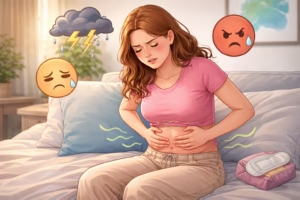
Premenstrual symptoms are common, but for some women and people assigned female at birth, the emotional and physical changes that occur before menstruation can be overwhelming and disruptive. Premenstrual Dysphoric Disorder (PMDD) is a severe and clinically recognized condition that goes far beyond typical premenstrual syndrome (PMS). It can significantly impact mood, relationships, work productivity, and quality of life.
In this article, we’ll explore what PMDD is, its causes, symptoms, diagnosis, and evidence-based treatment options—using clear, medically accurate language to help you better understand this often misunderstood condition.
Overview: What Is Premenstrual Dysphoric Disorder (PMDD)?
Premenstrual Dysphoric Disorder (PMDD) is a severe, hormone-related mood disorder that occurs during the luteal phase of the menstrual cycle—the time between ovulation and the start of menstruation.
While PMS can cause mild discomfort or mood shifts, PMDD is characterized by:
- Intense emotional and psychological symptoms
- Noticeable interference with daily activities
- Symptom relief shortly after menstruation begins
PMDD is officially recognized in the Diagnostic and Statistical Manual of Mental Disorders (DSM-5) as a depressive disorder. It affects an estimated 3–8% of menstruating individuals.
Causes and Risk Factors
The exact cause of PMDD is not fully understood, but research suggests it is related to how the brain responds to normal hormonal fluctuations, rather than abnormal hormone levels.
Key Contributing Factors
- Sensitivity to hormonal changes
Estrogen and progesterone fluctuate during the menstrual cycle. In PMDD, the brain appears unusually sensitive to these shifts. - Serotonin involvement
Serotonin, a neurotransmitter that influences mood, sleep, and appetite, may be disrupted during the luteal phase. - Genetic predisposition
A family history of mood disorders or PMDD may increase risk. - History of mood disorders
Individuals with depression, anxiety, or postpartum depression may be at higher risk.
It’s important to note that PMDD is not caused by stress alone, poor coping skills, or personality traits.
Symptoms of PMDD
PMDD symptoms typically begin 7–10 days before menstruation and resolve within a few days after the period starts.
Emotional and Psychological Symptoms
At least one of the following must be present for diagnosis:
- Severe mood swings
- Marked irritability or anger
- Feelings of hopelessness or depression
- Significant anxiety or tension
Additional symptoms may include:
- Decreased interest in usual activities
- Difficulty concentrating
- Fatigue or low energy
- Changes in appetite (overeating or cravings)
- Sleep disturbances (insomnia or hypersomnia)
- Feeling overwhelmed or out of control
Physical Symptoms
- Breast tenderness
- Bloating
- Headaches
- Joint or muscle pain
- Weight gain from fluid retention
For a PMDD diagnosis, symptoms must:
- Occur in most menstrual cycles over the past year
- Significantly interfere with work, school, relationships, or daily functioning
- Not merely represent worsening of another mental health disorder
Diagnosis and Screening
PMDD is diagnosed clinically based on symptom patterns and timing.
How Diagnosis Works
Healthcare professionals typically:
- Take a detailed medical and psychiatric history
- Rule out other medical or mental health conditions
- Ask patients to track symptoms daily for at least two menstrual cycles
Tools such as the Daily Record of Severity of Problems (DRSP) may be used to document symptom patterns.
Because PMDD can mimic depression or anxiety disorders, tracking the cyclical nature of symptoms is crucial for accurate diagnosis.
Treatment and Management Options
Effective treatments are available, and many people experience significant symptom relief with appropriate care.
1. Selective Serotonin Reuptake Inhibitors (SSRIs)
SSRIs are considered first-line treatment for PMDD.
Common options include:
- Fluoxetine
- Sertraline
- Paroxetine
These medications can be taken:
- Daily throughout the month, or
- Only during the luteal phase
They often work more quickly for PMDD than for major depressive disorder.
2. Hormonal Therapies
Because PMDD is hormone-triggered, some patients benefit from hormonal regulation:
- Combined oral contraceptives (especially those containing drospirenone)
- Gonadotropin-releasing hormone (GnRH) agonists (in severe cases)
These treatments suppress ovulation and reduce hormone fluctuations.
3. Cognitive Behavioral Therapy (CBT)
CBT can help manage:
- Negative thought patterns
- Emotional regulation
- Stress responses
It is particularly useful when PMDD coexists with other mood disorders.
4. Lifestyle Modifications
While lifestyle changes alone may not cure PMDD, they can reduce symptom severity.
Helpful strategies include:
- Regular aerobic exercise
- Balanced diet with stable blood sugar
- Adequate sleep
- Reducing caffeine and alcohol
- Stress-reduction practices such as mindfulness or yoga
5. Nutritional Supplements (With Medical Guidance)
Some evidence suggests benefit from:
- Calcium supplements
- Vitamin B6
- Magnesium
However, supplements should be discussed with a healthcare provider before use.
Prevention and Long-Term Considerations
There is no guaranteed way to prevent PMDD, but early recognition and consistent management can greatly reduce disruption to daily life.
Key long-term considerations include:
- Tracking cycles and symptoms
- Seeking early treatment if symptoms worsen
- Screening for co-existing mood disorders
- Maintaining open communication with healthcare providers
PMDD can persist until menopause but may fluctuate in severity over time.
When to Seek Medical Attention
Medical consultation is important if:
- Symptoms interfere with work or relationships
- You experience severe depression or suicidal thoughts
- PMS symptoms feel extreme or unmanageable
Prompt treatment can significantly improve quality of life.
Conclusion
Premenstrual Dysphoric Disorder (PMDD) is a serious but treatable condition characterized by severe emotional and physical symptoms in the days leading up to menstruation. Unlike typical PMS, PMDD can profoundly affect daily functioning and mental health.
Understanding the cyclical nature of symptoms, seeking proper diagnosis, and exploring evidence-based treatments—such as SSRIs, hormonal therapies, CBT, and supportive lifestyle measures—can dramatically improve outcomes.
If you suspect PMDD, professional evaluation is the first step toward relief and better quality of life.
Disclaimer
This article is for educational purposes only and does not constitute personalized medical advice. If you are experiencing symptoms consistent with PMDD or any mental health concerns, please consult a qualified healthcare professional for proper evaluation and treatment.