Pregnancy: A Comprehensive Guide to Understanding This Transformative Journey

Pregnancy is a remarkable biological process in which a woman’s body supports the development of a new life. While it is a natural and often joyful experience, pregnancy also brings complex physical, emotional, and medical changes that require informed care and attention. Understanding how pregnancy occurs, what to expect, and how it is monitored can help individuals feel more confident and prepared throughout this life stage.
This guide provides an evidence-based overview of pregnancy, including causes, symptoms, diagnosis, management, and important health considerations.
Overview / Definition
Pregnancy is the period during which a fertilized egg develops into a fetus inside the uterus. It typically lasts about 40 weeks from the first day of the last menstrual period (LMP) and is divided into three trimesters:
- First trimester (0–13 weeks) – Early development of major organs and systems
- Second trimester (14–27 weeks) – Growth and refinement of fetal structures
- Third trimester (28–40 weeks) – Rapid growth and preparation for birth
Pregnancy begins with fertilization, when a sperm cell unites with an egg. The fertilized egg (zygote) implants in the lining of the uterus, where it grows and develops into an embryo and later a fetus.
Causes and Risk Factors
Causes of Pregnancy
Pregnancy occurs when:
- Ovulation releases an egg from the ovary
- Sperm fertilizes the egg
- The fertilized egg successfully implants in the uterus
Risk Factors That May Affect Pregnancy Health
Certain factors can influence pregnancy outcomes:
- Maternal age (under 17 or over 35 years)
- Pre-existing health conditions such as diabetes, hypertension, thyroid disorders, or autoimmune diseases
- Obesity or underweight status
- Smoking, alcohol use, or substance exposure
- Multiple pregnancies (twins, triplets)
- Previous pregnancy complications
Understanding these factors helps healthcare providers tailor appropriate monitoring and care.
Symptoms and Clinical Presentation
Early pregnancy symptoms vary widely but commonly include:
Early Signs (First Trimester)
- Missed menstrual period
- Nausea and vomiting (“morning sickness”)
- Breast tenderness
- Fatigue
- Frequent urination
- Mild cramping or spotting (implantation bleeding)
Later Symptoms
- Abdominal enlargement due to uterine growth
- Fetal movements (quickening), typically around 18–20 weeks
- Back pain
- Swelling in the ankles and feet
- Heartburn or indigestion
- Shortness of breath (late pregnancy)
While many symptoms are normal, warning signs requiring medical evaluation include severe abdominal pain, heavy bleeding, severe headache, vision changes, decreased fetal movement, or sudden swelling.
Diagnosis and Screening
Confirming Pregnancy
Pregnancy is typically diagnosed through:
- Urine pregnancy tests – Detect human chorionic gonadotropin (hCG)
- Blood tests – Measure hCG levels more precisely
- Ultrasound imaging – Confirms uterine location and estimates gestational age
Routine Prenatal Screening
Regular prenatal visits are essential for monitoring maternal and fetal health. Standard evaluations may include:
- Blood tests (blood type, anemia screening, infections)
- Blood pressure monitoring
- Urinalysis
- Ultrasound exams (anatomy scan at about 18–22 weeks)
- Screening for gestational diabetes (typically 24–28 weeks)
- Genetic screening (optional, based on risk factors)
These assessments help detect potential complications early.
Treatment and Management Options
Pregnancy itself is not a condition requiring “treatment,” but it requires structured medical care known as prenatal care.
Key Components of Prenatal Care
- Regular obstetric appointments
- Monitoring fetal growth and maternal health
- Managing chronic medical conditions
- Nutritional counseling
- Vaccinations (e.g., influenza, Tdap as recommended)
Management of Common Pregnancy-Related Conditions
Some conditions that may arise include:
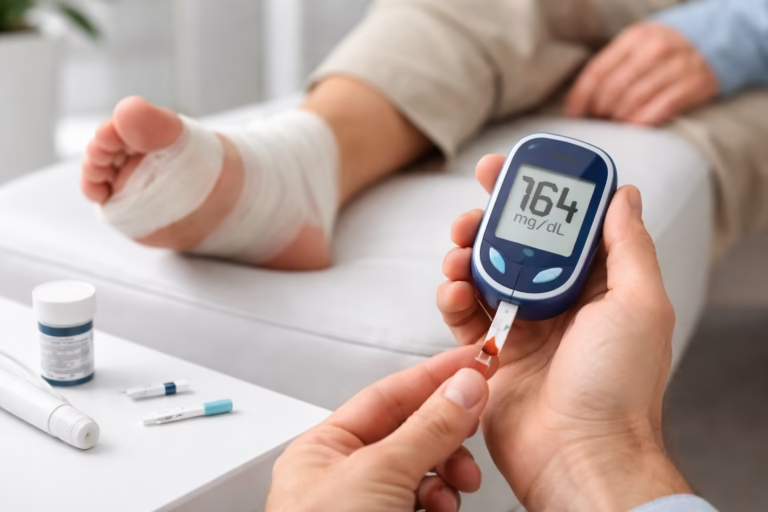
- Gestational diabetes – Managed with dietary adjustments, blood sugar monitoring, and sometimes insulin
- Preeclampsia – Requires careful blood pressure monitoring and possible early delivery
- Anemia – Treated with iron supplementation
- Hyperemesis gravidarum – Severe nausea requiring medical management
Appropriate care significantly reduces risks to both mother and baby.
Prevention and Lifestyle Considerations
While pregnancy cannot always be planned or prevented, certain healthy behaviors improve outcomes:
Before and During Pregnancy
- Take folic acid (400–800 mcg daily before conception and early pregnancy)
- Maintain a balanced, nutrient-rich diet
- Engage in regular moderate exercise (as approved by healthcare provider)
- Avoid smoking, alcohol, and illicit drugs
- Limit caffeine intake
- Stay up to date with recommended vaccinations
Healthy Weight Gain
Recommended weight gain varies based on pre-pregnancy body mass index (BMI). Gradual and appropriate weight gain supports fetal growth while minimizing complications.
Mental Health
Emotional well-being is equally important. Hormonal changes, stress, and life adjustments may contribute to anxiety or depression during pregnancy. Early recognition and support are essential.
Potential Complications
While most pregnancies progress without major complications, possible risks include:
- Miscarriage
- Ectopic pregnancy
- Gestational hypertension or preeclampsia
- Preterm birth
- Placental abnormalities
Early and consistent prenatal care greatly reduces the impact of these risks.
Conclusion
Pregnancy is a complex and dynamic biological process that requires thoughtful medical care and informed lifestyle choices. From early symptoms and diagnostic testing to prenatal monitoring and healthy behaviors, understanding each phase empowers individuals to navigate pregnancy with confidence.
With proper support, most pregnancies result in healthy outcomes for both parent and baby. Regular communication with healthcare providers and adherence to evidence-based recommendations remain the foundation of safe and successful pregnancy care.
Disclaimer:
This article is intended for educational purposes only and does not provide personalized medical advice. If you are pregnant or planning a pregnancy, consult a qualified healthcare professional for individualized guidance and care.