Polycystic Ovary Syndrome (PCOS)
Polycystic Ovary Syndrome (PCOS) is one of the most common hormonal disorders affecting women of reproductive age. Despite its name, PCOS is not simply a condition involving ovarian cysts—it is a complex endocrine disorder that can impact menstrual cycles, fertility, metabolism, and overall health.
Because symptoms can vary widely from person to person, many individuals live with PCOS for years before receiving a diagnosis. Understanding what PCOS is, how it presents, and how it can be managed is essential for promoting early recognition and effective care.
Overview / Definition
Polycystic Ovary Syndrome (PCOS) is a hormonal imbalance characterized by:
- Irregular ovulation or absence of ovulation
- Excess production of androgens (male hormones such as testosterone)
- Polycystic-appearing ovaries on ultrasound
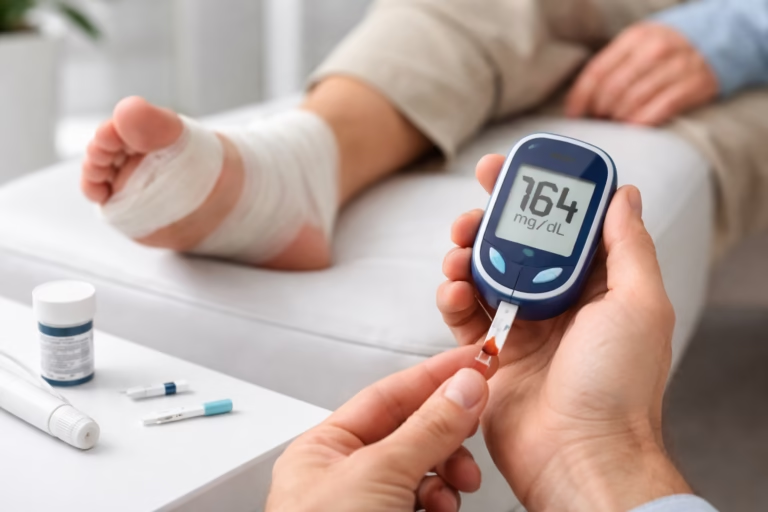
It affects an estimated 6–13% of women of reproductive age, though prevalence may be higher due to underdiagnosis. PCOS is also associated with metabolic issues, including insulin resistance, obesity, and an increased risk of type 2 diabetes.
The term “polycystic” refers to multiple small follicles (often incorrectly called cysts) that may be visible on the ovaries during an ultrasound examination.
Causes and Risk Factors
The exact cause of PCOS is not fully understood, but it is believed to involve a combination of genetic, hormonal, and environmental factors.
Key Contributing Factors
1. Insulin Resistance
- Many individuals with PCOS have reduced sensitivity to insulin.
- This can lead to higher insulin levels, which stimulate the ovaries to produce excess androgens.
- Insulin resistance increases the risk of type 2 diabetes.
2. Hormonal Imbalance
- Elevated androgen levels interfere with normal ovulation.
- Disrupted signaling between the brain (hypothalamus and pituitary gland) and ovaries contributes to irregular cycles.
3. Genetic Predisposition
- PCOS often runs in families.
- Multiple genes may be involved in its development.
4. Inflammation
- Low-grade inflammation has been observed in some individuals with PCOS and may contribute to increased androgen production.
Risk Factors
- Family history of PCOS or type 2 diabetes
- Overweight or obesity
- Sedentary lifestyle
- History of irregular menstrual cycles
Symptoms and Clinical Presentation
PCOS symptoms can range from mild to severe and often begin during adolescence.
Common Signs and Symptoms
- Irregular menstrual periods (infrequent, prolonged, or absent cycles)
- Excess hair growth (hirsutism) on the face, chest, or back
- Acne or oily skin
- Thinning hair or male-pattern hair loss
- Weight gain or difficulty losing weight
- Infertility due to irregular ovulation
Additional Health Concerns
PCOS is associated with long-term health risks, including:
- Type 2 diabetes
- High blood pressure
- Elevated cholesterol
- Sleep apnea
- Depression and anxiety
- Increased risk of endometrial (uterine) cancer if periods remain absent for prolonged periods
Because symptoms overlap with other conditions, proper medical evaluation is important for accurate diagnosis.
Diagnosis or Screening
There is no single test to diagnose PCOS. Health professionals typically use the Rotterdam criteria, which require the presence of at least two of the following:
- Irregular or absent ovulation
- Clinical or biochemical signs of excess androgens
- Polycystic ovaries on ultrasound
Diagnostic Evaluation May Include:
- Detailed medical and menstrual history
- Physical examination
- Blood tests to measure:
- Testosterone and other androgen levels
- Thyroid function
- Prolactin
- Blood glucose and insulin
- Lipid profile
- Pelvic ultrasound
Other conditions (such as thyroid disorders, hyperprolactinemia, or congenital adrenal hyperplasia) must be ruled out before confirming a PCOS diagnosis.
Treatment and Management Options
There is currently no cure for PCOS, but symptoms can be effectively managed through medical treatment and lifestyle modifications.
1. Lifestyle Changes
For many individuals, lifestyle strategies are a cornerstone of management:
- Balanced, nutrient-dense diet
- Regular physical activity
- Weight management (even 5–10% weight loss can restore ovulation in some cases)
These interventions can improve insulin sensitivity and hormone regulation.
2. Medications for Menstrual Regulation
- Combined oral contraceptive pills: Regulate cycles and reduce androgen levels
- Progestin therapy: Protects the uterine lining if estrogen-progestin pills are not suitable
3. Management of Insulin Resistance
- Metformin may be prescribed to improve insulin sensitivity
- Can also help regulate menstrual cycles in some individuals
4. Treatment for Excess Androgens
- Anti-androgen medications
- Topical or oral acne treatments
- Cosmetic hair removal methods (laser, electrolysis)
5. Fertility Treatment
For individuals trying to conceive:
- Ovulation induction medications (e.g., letrozole is commonly first-line)
- Assisted reproductive technologies where necessary
Treatment plans are individualized based on symptoms, reproductive goals, and overall health.
Prevention and Lifestyle Considerations
PCOS cannot always be prevented due to its genetic and hormonal basis. However, certain measures may reduce symptom severity and long-term complications:
- Maintain a healthy body weight
- Engage in regular aerobic and resistance exercise
- Follow a balanced diet rich in fiber, lean protein, and whole grains
- Limit refined sugars and processed foods
- Undergo regular screening for diabetes and cardiovascular risk factors
Early diagnosis and proactive management significantly lower the risk of long-term complications.
Conclusion
Polycystic Ovary Syndrome (PCOS) is a common and complex hormonal disorder that can affect menstrual cycles, fertility, metabolism, and mental well-being. While it has no cure, early diagnosis and comprehensive management—including lifestyle modifications, medication, and regular health monitoring—can greatly improve quality of life and reduce future health risks.
Understanding the signs and seeking evaluation when symptoms arise are key steps toward effective care and long-term health.
Disclaimer:
This article is for educational purposes only and does not constitute medical advice. If you suspect you may have PCOS or have concerns about your health, please consult a qualified healthcare professional for proper evaluation, diagnosis, and individualized treatment.