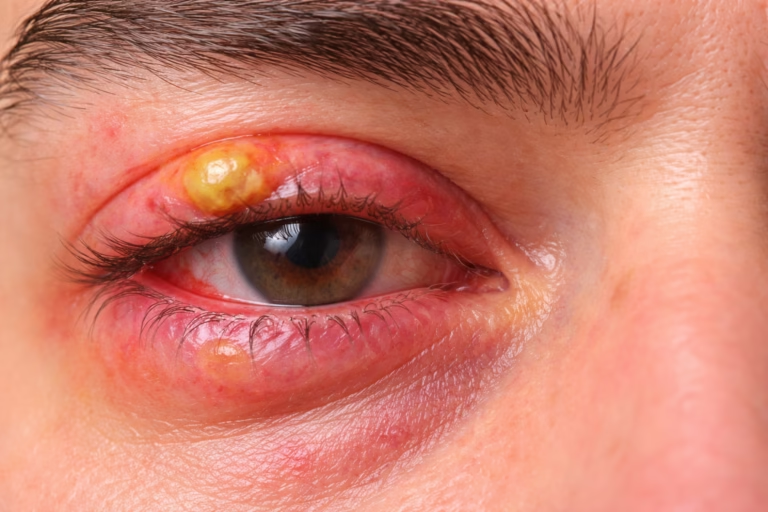
Pink Eye: Causes, Symptoms, Treatment, and Prevention
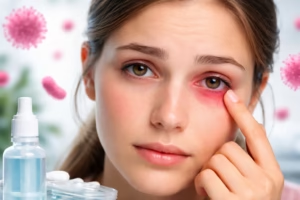
Pink eye is one of the most common eye conditions affecting both children and adults. While it is often mild and temporary, it can cause significant discomfort and may spread easily, especially in schools, workplaces, and households. Understanding what pink eye is, what causes it, and how it is treated can help reduce anxiety and prevent unnecessary complications.
In this article, we’ll explore pink eye in detail, from its causes and symptoms to treatment and prevention, using medically accurate and easy-to-understand information.
Overview / Definition
Pink eye, medically known as conjunctivitis, is inflammation or infection of the conjunctiva—the thin, transparent membrane that lines the inside of the eyelid and covers the white part of the eye (sclera).
When the conjunctiva becomes irritated or inflamed, small blood vessels expand and become more visible. This is what gives the eye its characteristic pink or reddish appearance.
Conjunctivitis can affect one or both eyes and may be:
- Infectious (caused by viruses or bacteria)
- Non-infectious (caused by allergies or irritants)
Causes and Risk Factors
Pink eye develops for several reasons. Identifying the correct cause is important because treatments differ.
1. Viral Conjunctivitis
The most common form of pink eye.
- Often caused by adenoviruses
- Frequently associated with a cold or respiratory infection
- Highly contagious
2. Bacterial Conjunctivitis
Caused by bacteria such as:
- Staphylococcus aureus
- Streptococcus pneumoniae
- Haemophilus influenzae
This type is also contagious and is more common in children.
3. Allergic Conjunctivitis
Triggered by allergens such as:
- Pollen
- Dust mites
- Pet dander
- Mold
This form is not contagious and often occurs seasonally.
4. Irritant Conjunctivitis
Caused by exposure to:
- Smoke
- Chlorine (swimming pools)
- Air pollution
- Chemical splashes
Risk Factors
- Close contact with someone who has conjunctivitis
- Poor hand hygiene
- Contact lens use (especially improper cleaning)
- Seasonal allergies
- Compromised immune system
Symptoms and Clinical Presentation
Symptoms vary depending on the underlying cause but commonly include:
General Symptoms
- Redness in one or both eyes
- Itching or irritation
- A gritty or burning sensation
- Excessive tearing
- Sensitivity to light
Viral Conjunctivitis
- Watery discharge
- Often begins in one eye and spreads to the other
- May occur alongside cold symptoms
Bacterial Conjunctivitis
- Thick, yellow or green discharge
- Eyelids stuck together, especially in the morning
- More common in children
Allergic Conjunctivitis
- Intense itching
- Watery eyes
- Swelling of eyelids
- Typically affects both eyes
If symptoms include severe pain, vision changes, intense light sensitivity, or persistent symptoms, immediate medical evaluation is important.
Diagnosis and Screening
Pink eye is typically diagnosed through a clinical examination by a healthcare professional.
Diagnosis may involve:
- Reviewing symptoms and recent exposure history
- Examining the eye with a light source
- Checking for discharge or swelling
- Assessing visual acuity
In most cases, laboratory testing is not required. However, swabs of eye discharge may be taken in severe, recurrent, or treatment-resistant cases.
Treatment and Management Options
Treatment depends entirely on the cause.
Viral Conjunctivitis
There is no specific antiviral treatment for most cases.
Management focuses on symptom relief:
- Cold compresses
- Artificial tears (lubricating eye drops)
- Rest and hydration
Symptoms typically resolve within 1–2 weeks.
Bacterial Conjunctivitis
Often treated with:
- Prescription antibiotic eye drops or ointments
Most cases improve within several days of treatment. Mild bacterial infections may resolve on their own, but antibiotics can shorten the duration and reduce transmission.
Allergic Conjunctivitis
Treatment options include:
- Antihistamine eye drops
- Anti-inflammatory eye medications
- Oral antihistamines (if needed)
- Avoiding known allergens
Irritant Conjunctivitis
- Rinse the eye with clean water or saline
- Remove exposure to the irritant
- Seek medical care for chemical injuries immediately
Prevention and Lifestyle Considerations
Preventing pink eye—especially the infectious types—requires good hygiene and awareness.
Practical Prevention Tips
- Wash hands frequently with soap and water
- Avoid touching or rubbing the eyes
- Do not share:
- Towels
- Pillows
- Eye makeup
- Contact lenses
- Replace eye cosmetics regularly
- Clean contact lenses properly
- Dispose of contaminated lens cases
For allergic conjunctivitis:
- Keep windows closed during high pollen seasons
- Shower after outdoor exposure
- Use air filters when possible
Children with contagious conjunctivitis may need to stay home from school temporarily, depending on local guidelines and symptom severity.
When to Seek Medical Care
Prompt evaluation is recommended if you experience:
- Moderate to severe eye pain
- Blurred or decreased vision
- Increased sensitivity to light
- Symptoms that worsen or don’t improve
- Symptoms in newborns
Early medical assessment ensures appropriate treatment and helps rule out more serious eye conditions.
Conclusion
Pink eye, or conjunctivitis, is a common and usually mild inflammation of the eye’s conjunctiva. While it can be uncomfortable and highly contagious in some cases, most forms resolve with appropriate care. Identifying whether the cause is viral, bacterial, allergic, or irritant-related is key to effective treatment.
Practicing good hygiene and understanding early symptoms can help limit spread and prevent complications. If symptoms are severe, persistent, or involve vision changes, a healthcare professional should evaluate the condition promptly.
Disclaimer:
This article is for educational purposes only and is not a substitute for professional medical advice, diagnosis, or treatment. If you are experiencing eye symptoms or have concerns about your health, please consult a qualified healthcare provider.