Peptic Ulcers: Causes, Symptoms, Diagnosis, and Treatment
Peptic ulcers are a common but potentially serious digestive condition that affects millions of people worldwide. While they are often associated with stress or spicy foods, the real causes are medical and more complex than many people realize. Understanding what peptic ulcers are, why they occur, and how they are treated can help individuals recognize symptoms early and seek proper medical care.
In this article, we’ll explore the causes, symptoms, diagnosis, treatment options, and prevention strategies for peptic ulcers in a clear and medically accurate way.
Overview: What Are Peptic Ulcers?
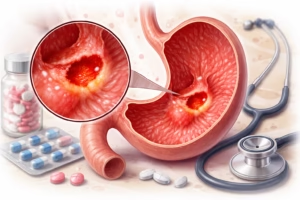
A peptic ulcer is an open sore that develops in the lining of the stomach or the upper part of the small intestine. These ulcers form when the protective lining of the digestive tract is damaged, allowing stomach acid to injure the underlying tissue.
Peptic ulcers are classified based on their location:
- Gastric ulcers – occur in the stomach
- Duodenal ulcers – occur in the first part of the small intestine (duodenum)
- Esophageal ulcers – occur in the lower part of the esophagus (less common)
Under normal conditions, the stomach produces acid to help digest food. A protective mucus barrier prevents this acid from damaging the stomach lining. When this protective system breaks down, ulcers can develop.
Causes and Risk Factors
Contrary to popular belief, peptic ulcers are not primarily caused by stress or spicy food. The two most common causes are:
1. Helicobacter pylori (H. pylori) Infection
- A type of bacteria that infects the stomach lining
- Weakens the mucus barrier
- Triggers inflammation that increases acid vulnerability
- Very common worldwide
2. Nonsteroidal Anti-Inflammatory Drugs (NSAIDs)
Long-term or frequent use of medications such as:
- Aspirin
- Ibuprofen
- Naproxen
These medications interfere with the stomach’s protective mechanisms.
Additional Risk Factors
- Smoking
- Excessive alcohol consumption
- Advanced age
- Chronic stress in medically ill individuals
- Severe physical illness (e.g., major burns, head injury)
- Use of corticosteroids combined with NSAIDs
- Family history of ulcers
In rare cases, a condition called Zollinger-Ellison syndrome (a tumor that increases stomach acid production) may cause recurrent or severe ulcers.
Symptoms and Clinical Presentation
Some people with peptic ulcers have no symptoms, especially in early stages. When symptoms occur, they may include:
Common Symptoms
- Burning or gnawing abdominal pain (often between meals or at night)
- Pain that improves or worsens after eating
- Bloating
- Nausea
- Early satiety (feeling full quickly)
- Belching or acid reflux
Warning Signs of Complications
Peptic ulcers can lead to serious complications if untreated. Seek urgent medical care if experiencing:
- Vomiting blood (may appear red or like coffee grounds)
- Black, tarry stools
- Sudden, severe abdominal pain
- Unexplained weight loss
- Persistent vomiting
- Dizziness or fainting
Possible complications include:
- Gastrointestinal bleeding
- Perforation (a hole in the stomach or intestinal wall)
- Obstruction from swelling or scarring
Diagnosis and Screening
If a peptic ulcer is suspected, healthcare providers may recommend several tests.
1. Upper Endoscopy (EGD)
- A flexible tube with a camera is inserted through the mouth
- Allows direct visualization of the ulcer
- Can take tissue samples (biopsy) if needed
- Gold standard for diagnosis
2. Testing for H. pylori
This may include:
- Breath test
- Stool antigen test
- Blood test (less commonly used now)
- Biopsy during endoscopy
3. Imaging Studies
In some cases, a barium swallow (upper GI series) may be used if endoscopy is unavailable.
Because gastric ulcers can occasionally mimic stomach cancer, biopsies are often taken during endoscopy to rule out malignancy.
Treatment and Management Options
Treatment depends on the underlying cause, severity, and presence of complications.
1. Eradicating H. pylori
If H. pylori infection is confirmed, treatment typically includes:
- Combination antibiotic therapy (two or more antibiotics)
- Proton pump inhibitor (PPI) to reduce stomach acid
This regimen is usually taken for 10–14 days.
2. Acid Suppression Therapy
Medications that reduce stomach acid allow ulcers to heal:
- Proton pump inhibitors (PPIs) (e.g., omeprazole, pantoprazole)
- H2-receptor blockers (e.g., famotidine)
PPIs are generally preferred due to their effectiveness.
3. Stopping or Adjusting NSAIDs
If NSAIDs are contributing to ulcer formation:
- The medication may be discontinued under medical guidance
- A protective medication may be prescribed if NSAID use must continue
4. Treating Complications
Serious complications may require:
- Endoscopic procedures to stop bleeding
- Blood transfusions (for severe bleeding)
- Surgery (rare but necessary in cases of perforation or obstruction)
Prevention and Lifestyle Considerations
While not all ulcers are preventable, certain steps can reduce risk:
Reduce Medication Risks
- Use NSAIDs only when necessary
- Take NSAIDs with food
- Discuss protective medications if long-term NSAID use is required
Avoid Tobacco
- Smoking impairs ulcer healing
- Increases risk of complications
Limit Alcohol Intake
- Excessive alcohol irritates the stomach lining
Practice Safe Hygiene
- Good handwashing reduces risk of H. pylori transmission
Manage Stress Thoughtfully
Although stress does not directly cause ulcers, chronic stress may worsen symptoms or delay healing.
When to See a Healthcare Professional
You should seek medical evaluation if you experience:
- Persistent upper abdominal pain
- Symptoms lasting more than a few days
- Signs of bleeding or severe pain
Early diagnosis significantly reduces the risk of complications and improves outcomes.
Conclusion
Peptic ulcers are a common digestive disorder caused primarily by H. pylori infection and NSAID use, not stress or spicy food as often believed. While many ulcers heal with proper treatment, untreated ulcers can lead to serious complications such as bleeding or perforation.
With modern diagnostic tools and effective treatments—including antibiotics and acid-suppressing medications—most peptic ulcers can be successfully managed. Recognizing symptoms early and addressing risk factors are key to preventing complications.
Medical Disclaimer
This article is intended for educational purposes only and should not replace professional medical advice. If you are experiencing symptoms or have concerns about peptic ulcers, consult a qualified healthcare professional for proper evaluation, diagnosis, and treatment.